
Last updated November 16, 2026
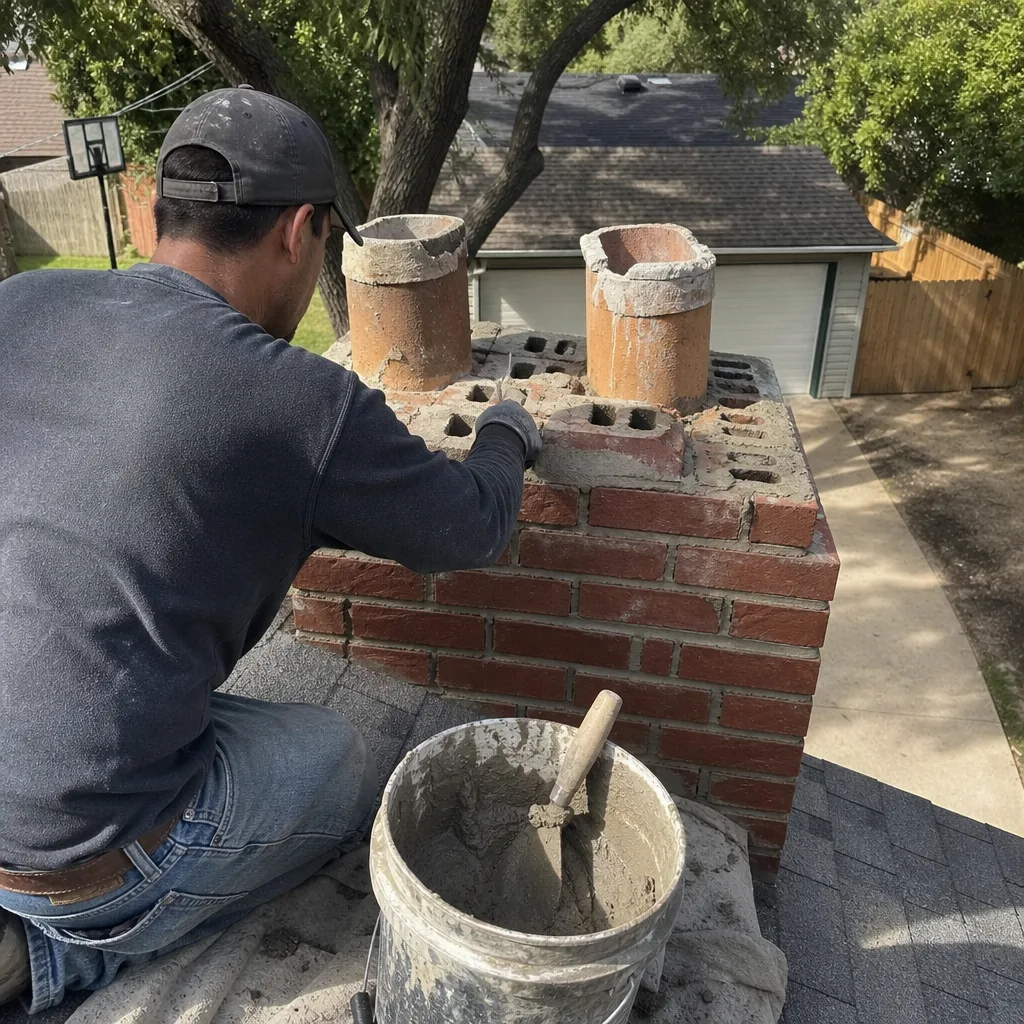
 Sweep & inspection
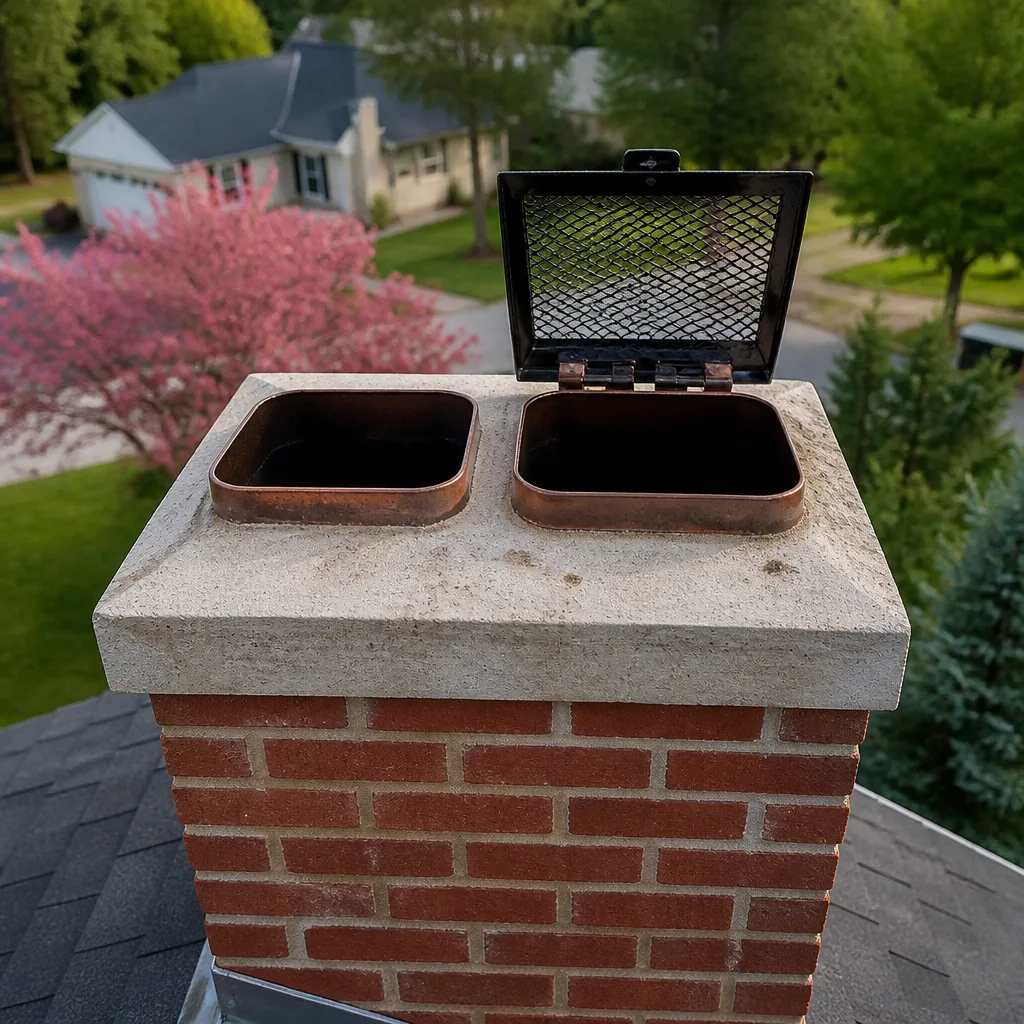
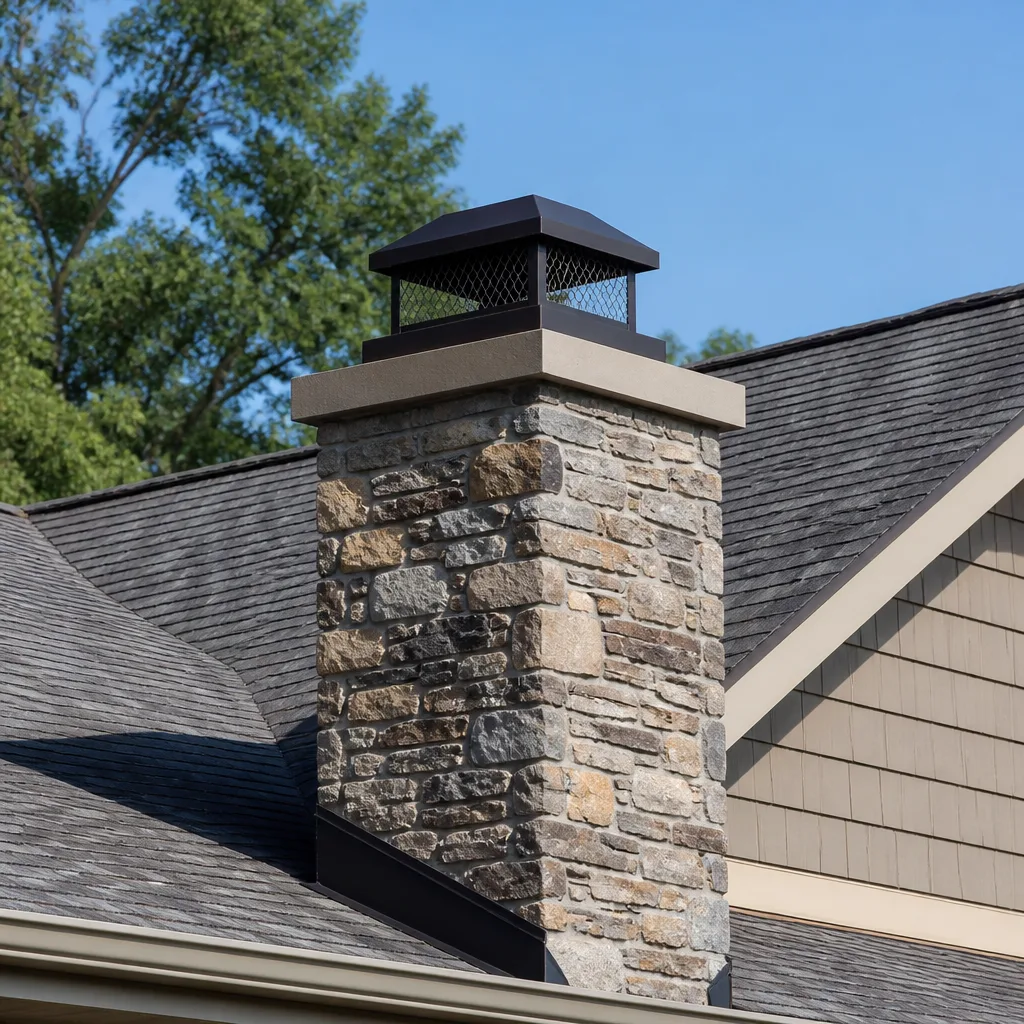 Caps & crowns
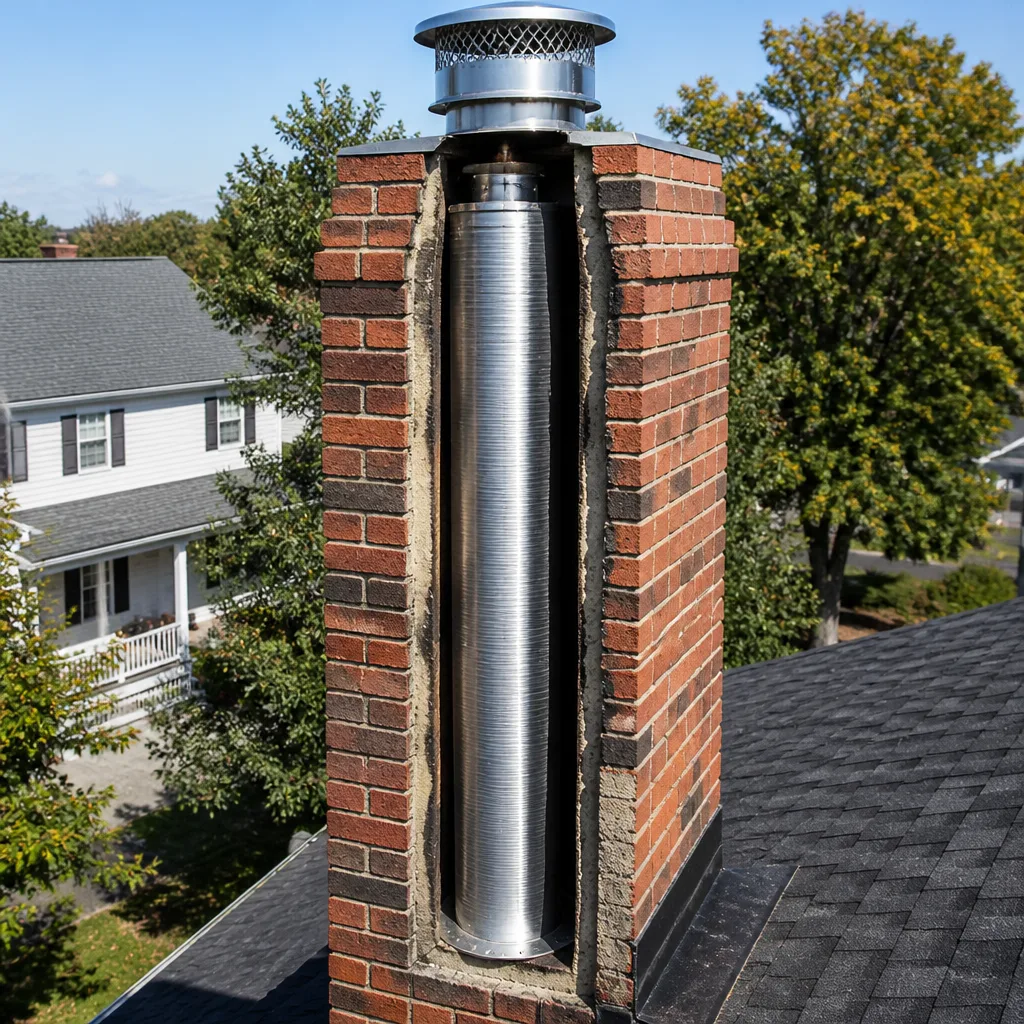 Flue relining
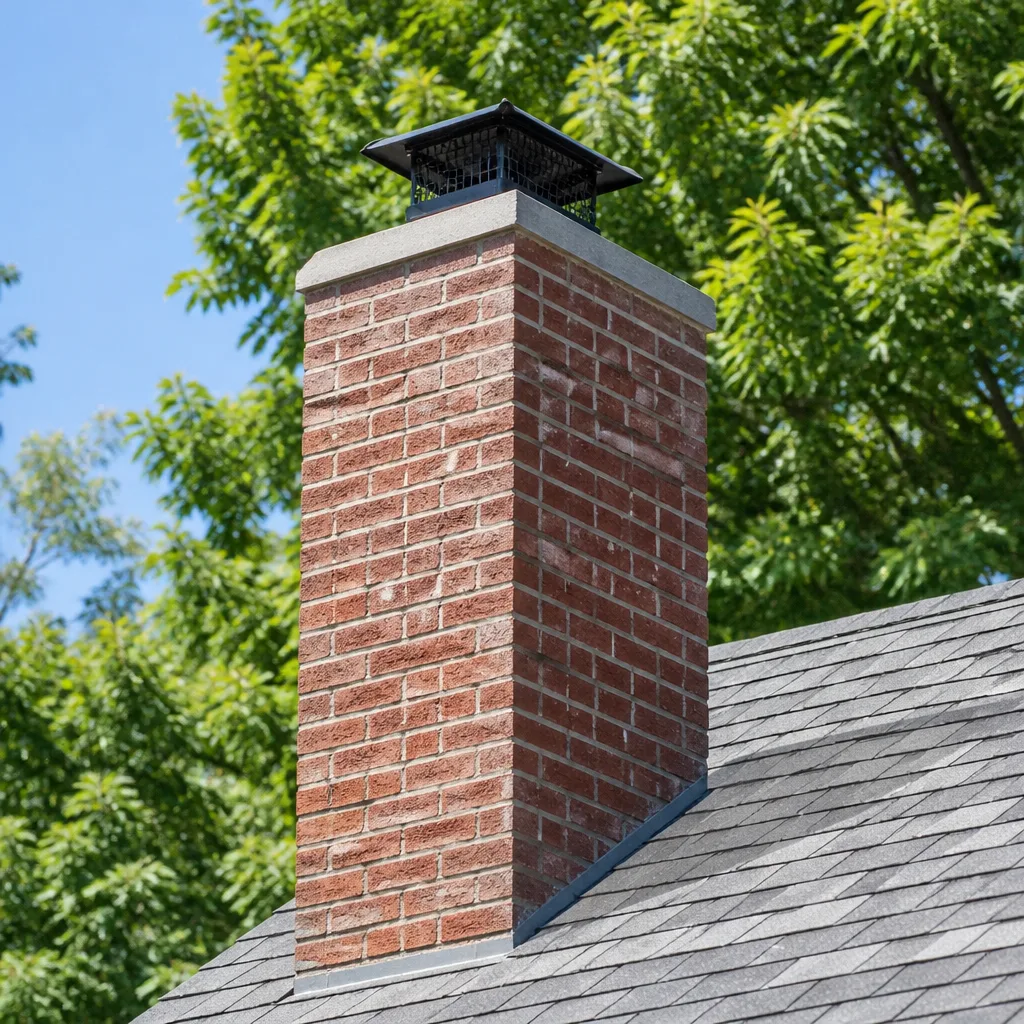 Masonry repair
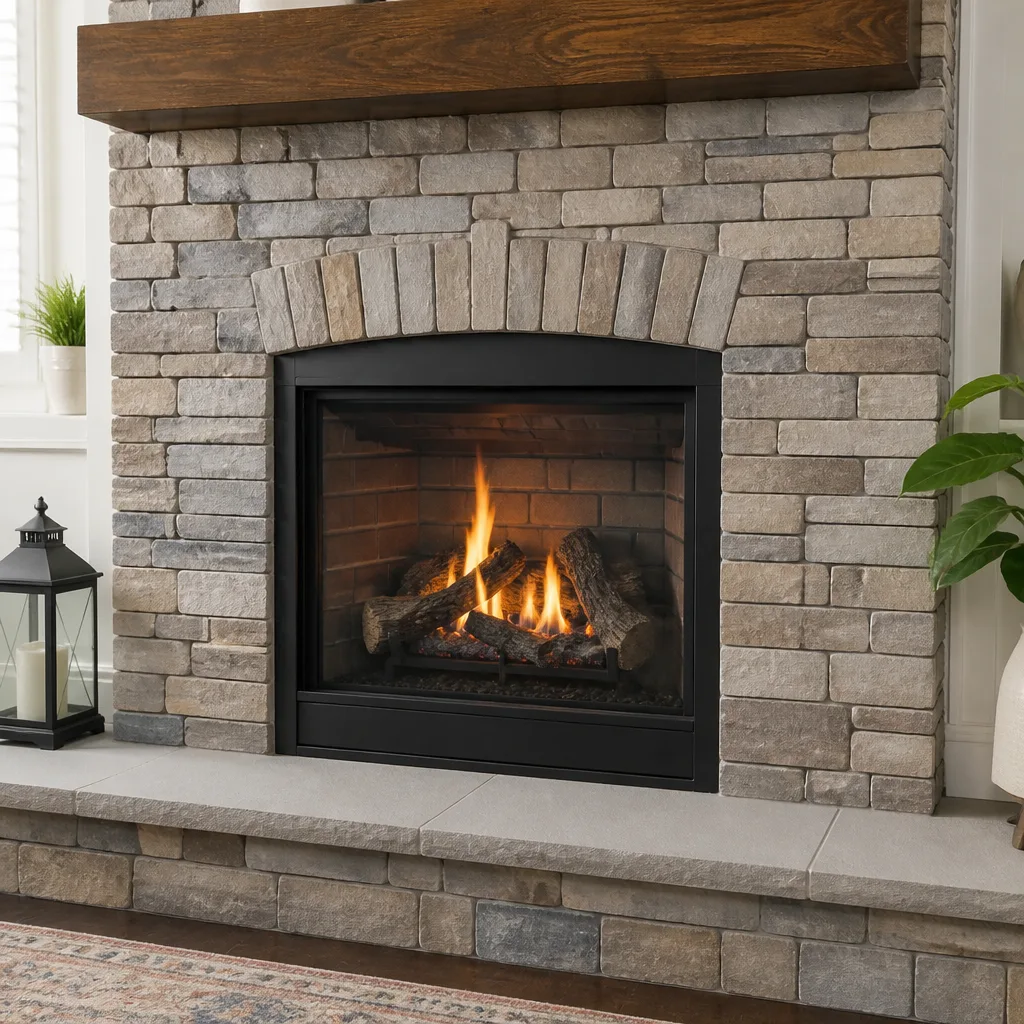 Gas fireplace service
Level 1 sweep and inspection to the NFPA 211 annual standard - flue, crown, cap, and flashing checked and photographed
Chimney sweep logs do not sweep chimneys. They loosen some creosote - which then falls where a brush and vacuum still have to collect it.
DIY vs Professional Chimney Cleaning: The Richardson Homeowner’s Decision Guide
Most homeowners in Richardson could push a brush up a flue. That’s not really the question. The question is whether the brush will reach the right parts of the chimney, and whether the person holding it can read what’s left behind. Chimney cleaning rods and brushes are sold at every big-box store in the area, and they will remove loose soot from the firebox and the lower flue. What they won’t touch is the glazed creosote that has baked onto the liner walls, and what they can’t do at all is assess liner integrity, smoke chamber condition, or the seal around your flashing. In this guide, we’ll separate what DIY chimney cleaning actually accomplishes from what it structurally cannot, so you can make a clear-eyed decision about your Richardson home.
Quick Answer
Professional chimney cleaning is the right call for most Richardson homeowners because a proper sweep combines removal of every creosote stage with a camera inspection that catches the problems a homeowner can’t see or reach. DIY brushing makes sense only as light maintenance between professional sweeps, and only for chimney types that tolerate it. The distinction isn’t about capability – it’s about coverage and interpretation.
Styles & brands we work with
- Sweep & inspection
- Caps & crowns
- Flue relining
- Masonry repair
- Gas fireplace service
Table of Contents
- What DIY Chimney Cleaning Actually Removes
- The Inspection Gap: What a Brush Can’t Tell You
- Safety and Equipment: Why Containment Isn’t Optional
- The Three Stages of Creosote and Why They Matter
- When DIY Maintenance Between Sweeps Makes Sense
- The Repair Conversation That Only Opens After Inspection
- How a Professional Chimney Sweep Actually Works
- How Often Should Your Richardson Chimney Be Swept?
What DIY Chimney Cleaning Actually Removes
A consumer brush and rod set will get you a cleaner firebox and a cleaner look at the bottom of your flue. That’s a real benefit, and it’s worth acknowledging before we get into the limits. The problem is that the visible difference between a brushed flue and a properly swept one is small, while the difference in what’s actually left inside is large.
Here’s the breakdown of what consumer tools touch and what they miss:
- Loose soot and light ash: A brush removes this well. This is the stuff that puffs into the room when you open the damper on a cold morning, and reducing it does improve how the fireplace behaves day to day.
- Stage 1 creosote (soft, flaky, dark brown or black): A brush will knock most of this off the liner walls, though it tends to land in the firebox and on your hearth rather than in a sealed containment bag.
- Stage 2 creosote (hard, shiny, tar-like): A brush passes over this without removing it. Stage 2 creosote adheres to the flue walls and is genuinely difficult to scrape off – chemical treatment is the standard approach, and consumer products are not formulated for it.
- Stage 3 creosote (glazed, hardened, fuel-rich): A brush does essentially nothing here. This is the stage that most closely relates to chimney fire risk, and it’s the reason a professional assessment matters.
- Structural debris: Pieces of cracked flue tile, fallen mortar, bird nests, and collapsed caps collect in the smoke shelf and the offset. A homeowner brushing from the top down can push this debris into the smoke chamber rather than remove it.
Richardson’s housing stock runs from mid-century ranch homes to newer builds in and around the Heights and Canyon Creek areas, and the flue types vary accordingly – older masonry chimneys with clay tile liners, and newer prefab units with factory-built liners that are more sensitive to aggressive brushing. A consumer brush matched to the wrong flue type can scratch a stainless liner or dislodge cracked tile. That’s part of why we tell homeowners that what they’re really buying from a professional sweep isn’t the brushing – it’s knowing which brush, which flue, and which problems the brush is likely to expose.
The Inspection Gap: What a Brush Can’t Tell You
This is the core of the DIY vs professional chimney cleaning question in Richardson, and it doesn’t get discussed enough. A homeowner can run a brush through a flue and come away satisfied that the chimney is clean. But cleaning and inspecting are two different disciplines, and the second one is where most of the value sits.
When a trained technician sweeps a chimney, the sweep is inseparable from the inspection that follows. There are three things in particular that no amount of brushing will reveal to a homeowner, because they require a camera, a trained eye, or access the homeowner doesn’t have:
- Liner integrity. A camera run down the flue shows cracks, gaps at the tile joints, and spalling that a visual look from the firebox or the roof simply won’t catch. A cracked or deteriorated liner is a real concern for both fire safety and carbon monoxide, and it’s not something you can sense from the living room.
- Smoke chamber condition. The smoke chamber is the sloped section between the damper and the flue. It collects creosote and debris in a way the flue itself doesn’t, and it’s rough-surfaced by design, which makes it a creosote magnet. Homeowners almost never see it, and brushing from below or above doesn’t clean it properly.
- Flashing and cap seal. The flashing is what keeps water out where the chimney meets the roof. A homeowner looking up from the yard can’t tell if the flashing has lifted, if the sealant has failed, or if the cap has begun to separate. Water intrusion in a Richardson chimney shows up months later as rusted dampers, stained ceilings, or crumbling mortar – long after the leak started.
This is the gap a professional sweep closes. We’re not suggesting every homeowner needs to be talked into a repair – quite the opposite. What we tell people is that a proper inspection report tells you what you actually have, and it’s just as likely to say “this can wait a year” as it is to recommend work. You can’t get that report from a brush. And with our chimney sweep service, the inspection is part of the sweep, not a separate add-on you have to remember to ask for.
Safety and Equipment: Why Containment Isn’t Optional
Here’s the part most DIY guides skip over entirely: chimney cleaning produces a lot of fine, mobile soot, and that soot will find its way into every soft surface in the room if it isn’t contained. Professional sweeps don’t just arrive with a better brush. They arrive with the equipment that keeps the mess out of your finished home.
- A sealed containment system. A drop cloth and a shop vacuum are not containment. Professional sweeps use drop cloths that seal to the hearth and a collection bag or sealed vacuum connection that captures the soot as it’s removed.
- Negative pressure setup. The room is put under slight negative pressure so that airborne soot moves toward the chimney and the vacuum rather than out into the room. Without this, fine soot drifts and settles on every surface in the room over the next few hours.
- HEPA filtration. Standard shop vacuums capture large particles but pass fine soot through their exhaust. HEPA filtration captures the particles that cause the lingering smell and the visible film on furniture.
- Ladder and roof safety. Roof access for top-down sweeping involves height, pitch, and ladder placement – a genuine safety concern in its own right. There are safer ways to sweep from below in many cases, but knowing which applies to your chimney requires training.
In a Richardson home with an open-plan living area, a fireplace on an interior wall, and a finished room directly around it, the difference between contained and uncontained sweeping is visible within an hour. If you can smell the fireplace for a week after a DIY sweep, you didn’t remove the soot – you redistributed it. That’s a practical point, not a scare tactic. The equipment matters because the room matters.
The Three Stages of Creosote and Why They Matter
Creosote is the residue that forms when wood smoke cools against the flue walls. It exists in three recognized stages, and each stage calls for a different removal method. Knowing which stage you’re dealing with tells you whether a brush will help or whether you’re looking at a job that needs more.
- Stage 1 – soft and flaky. The most common stage in a routinely used fireplace that isn’t producing heavy smoke. It’s dark brown or black, it flakes off easily, and a standard brush removes most of it. This is the stage where DIY maintenance is realistic.
- Stage 2 – hard and brittle. This stage has baked onto the flue walls and is tar-like in texture. A brush passes over it. Chemical creosote removers are the standard approach – they’re applied and given time to soften the deposits before a follow-up sweep. Professional sweeps use products formulated for this stage; consumer creosote removers sold at retail are generally not.
- Stage 3 – glazed and hardened. The most fuel-rich and most concerning stage, often shiny and glass-like. Stage 3 creosote is difficult to remove with anything short of aggressive mechanical or chemical treatment, and it’s the stage most closely associated with chimney fire risk. If your flue is glazed, a brush will do very little.
One of the reasons chimney cleaning gets reduced to a single question – “is it clean or not?” – is that most people don’t know the stages exist. In our experience, Richardson homeowners with wood-burning fireplaces who burn a lot of fires in the milder months, or who burn less-seasoned wood, tend toward higher creosote stages. A properly trained technician can identify the stage on sight, tell you which treatment applies, and tell you whether the flue needs chemical treatment before or after a sweep. That diagnostic step is what separates a cleaning from a cleaning and assessment.
When DIY Maintenance Between Sweeps Makes Sense
We’re not going to tell you that all DIY involvement is a mistake, because it isn’t. There’s a genuine place for homeowner-level maintenance between professional sweeps, and it’s worth describing clearly so you know where the line is.
The scenario where DIY maintenance actually helps:
- You’ve had a professional sweep and inspection within the past year. The professional visit established the baseline and gave you a report on liner condition, smoke chamber, and flashing. Now you know the chimney is safe to use, and light maintenance between visits makes sense.
- You’re removing ash and debris from the firebox only. A shop vacuum (HEPA, ideally) and a hearth brush keep the firebox clean, reduce the smell, and remove what would otherwise build up over a burning season. This is real, useful work.
- You’re keeping the cap clear. Debris on the spark arrestor screen and the cap is worth checking from the ground where possible. If you can see foliage, nest material, or a cracked cap, that’s a signal – not something to fix yourself on a roof.
- You’re using the right tools. Worth buying: a HEPA shop vacuum, a hearth brush and dustpan, a chimney cap screen in good condition (checked, not installed by you), and a moisture meter for firewood. Not worth buying: a consumer chimney brush and rod set that you plan to use as a substitute for a professional sweep.
What DIY maintenance is not: a replacement for the professional sweep. The tools that matter most – a flue camera, chemical creosote treatment, a containment system – are not consumer products, and there’s no version of buying them at retail that recreates the professional job. For most Richardson households, the sensible division is: professionals handle the sweep and inspection, and you handle the ash, the firewood, and the day-to-day observations that tell you when to schedule the next visit.
The Repair Conversation That Only Opens After Inspection
Here’s the part of this comparison that surprises people: the meaningful difference between a professional sweep and a DIY brush isn’t the cleaning itself. It’s that a proper inspection is what opens the conversation about repair, and repair materials in chimneys are professional-grade products you generally can’t buy at retail. You can’t have a repair conversation about a problem you don’t know you have.
Take liner repair as the clearest example. When a flue has cracked, spalled, or deteriorated tile, the standard professional solution is often a HeatShield ceramic resurfacing application – a repair-grade product that’s formed to the existing flue, cured in place, and finished to a smooth surface. HeatShield is not a consumer product, and it’s not available through general contractors. It’s the kind of material a chimney sweep specifies because it’s built for the application.
When a flue needs full relining, the standard solution is a DuraFlex flexible liner system – a stainless liner that’s installed without full chimney reconstruction. We’re authorized to install and work with DuraFlex, and it’s one of the reasons homeowners in Richardson who start with a sweep sometimes end up with a long-term solution that would never have been possible with a brush and a rod. The same logic applies on the exterior. When the inspection turns up a failed cap or flashing, we source those components from brands built specifically for chimney weatherproofing, like Gelco and Famco, rather than generic substitutes designed for a different job. We also work with Olympia Chimney and Copperfield components where they’re the right fit.
None of this is a reason to buy a repair you don’t need. The point is the opposite: the inspection is what tells you whether you need it, and it’s what makes a proper repair possible when you do. A homeowner who’s been brushing the flue for years may never learn that an inexpensive sweep would have caught a liner crack before it became a reline. The chimney repair conversation starts with the inspection, and the inspection starts with the sweep.
How a Professional Chimney Sweep Actually Works
If you’ve never watched a proper sweep, it can be hard to know what to expect. Here’s how a typical professional sweep proceeds, from arrival to report. This is the sequence we follow as a full-service chimney company handling sweep, inspection, and repair.
- Setup and containment. Drop cloths are laid and sealed around the hearth, the collection system is connected, and the room is placed under negative pressure. This takes longer than the sweeping itself and is the reason the room is left clean.
- Firebox and lower flue. The technician removes ash and debris from the firebox, then sweeps the lower flue section from below when the chimney type allows, which avoids roof access in many cases.
- Flue and upper chimney. Depending on the flue type and access, the technician sweeps from the top down or uses a rotary method. The brush is matched to the flue material so it removes creosote without damaging the liner.
- Smoke chamber. The sloped area between damper and flue gets specific attention – it collects creosote differently from the flue and is often the dirtiest part of the chimney.
- Camera inspection. A flue camera is run from the top down and the report is reviewed. This is where liner condition, tile joints, and any obstructions are documented.
- Exterior check. The technician checks the cap, the spark arrestor, the flashing, the crown, and the mortar joints from the roof or the appropriate access point.
- Report and recommendation. You get a written summary of what was found, with photos, and a clear statement of whether any repair is needed now, can wait, or should be scheduled for the next visit. Nothing is recommended without evidence in the report.
That last step is the one we hear the most relief about. Homeowners are rightly wary of being told they need thousands of dollars of liner or masonry work they have no way to verify. The camera report answers that – you see what we see, and if the work can safely wait, we’ll tell you so. We handle all three core chimney disciplines under one company – sweeping, structural repair, and formal inspection – so you’re not coordinating between a sweep and a mason.
For homeowners in Richardson, the sequence is the same whether your fireplace is used regularly or has been idle through the mild winters. In fact, an idle chimney is often where the most surprising inspection findings turn up, because the seal problems have had time to develop without the homeowner noticing.
How Often Should Your Richardson Chimney Be Swept?
The general industry guidance is to have a chimney swept and inspected once a year for most wood-burning fireplaces, and more often if you burn frequently or notice a creosote buildup. That annual cadence is a floor, not a ceiling. The right interval for your home depends on how much you burn, what you burn, and what the last inspection showed.
Factors that push toward an earlier return visit:
- How much you burn. A fireplace used regularly during the cooler months builds creosote faster than one used a few times a year. Burning through the shoulder seasons adds up.
- What you burn. Seasoned hardwood produces less creosote than unseasoned wood, softwood, or manufactured fire logs. Wood with high moisture content smokes more, and smoke is what deposits creosote.
- How you burn. Small, hot fires burn cleaner than long, smoldering ones. A fire that’s damped down to last all evening is producing more creosote than a bright fire that burns down quicker.
- What the last inspection showed. If the last report noted Stage 1 creosote accumulation, an annual cadence is generally right. If it noted Stage 2 or Stage 3, the technician may recommend a return visit sooner, sometimes with a chemical treatment between sweeps.
- The flue type. Factory-built liners and older clay tile liners build creosote differently and tolerate different cleaning methods. The flue type is one thing a professional sweep will document for you.
Richardson’s climate is worth noting here for a specific reason: the burning season is long and mild, which means many homeowners burn through more of the year than they realize. The fireplace gets lit in November and stays in use through March without much thought, and that adds up. The annual sweep-and-inspect is the simplest way to stay ahead of it. If you’re not sure where you stand, the inspection portion of the visit is what tells you.
Common Mistakes to Avoid
- Assuming a brushed flue is a safe flue. Brushing removes Stage 1 creosote but passes over Stage 2 and does nothing for Stage 3. If your flue has buildup beyond the soft stage, the brush gives a false sense of security.
- Skipping the inspection because the sweeping looked fine. The sweep and the inspection are separate jobs with separate findings. A clean-looking flue can still have cracked tile or a failed cap, and those are exactly the issues a brush can’t reveal.
- Brushing a stainless liner with a brush sized for masonry. The wrong brush abrades a factory-built liner. In our experience, this is one of the more common quiet mistakes, and the damage is often not discovered until the next professional inspection.
- Sweeping from the top without proper roof access and fall protection. Roof access is a genuine safety issue independent of the chimney itself. Where the chimney type allows, sweeping from below is often the safer route – and that requires training to know.
- Sweeping without containment in a finished room. A drop cloth isn’t containment. Without a sealed system and negative pressure, fine soot settles into the room and the fireplace smell lingers for weeks.
- Using consumer creosote products on Stage 2 or Stage 3 deposits. Retail creosote removers are generally formulated for light Stage 1 deposits. Stage 2 and Stage 3 call for professional-grade treatment and a follow-up sweep, which consumer products aren’t designed to do.
- Treating the annual sweep as optional because “it looks clean.” The chimney that fails an inspection is often the one that looked fine from the firebox. Richardson’s long mild burning season means deposits build quietly through the year.
See the difference
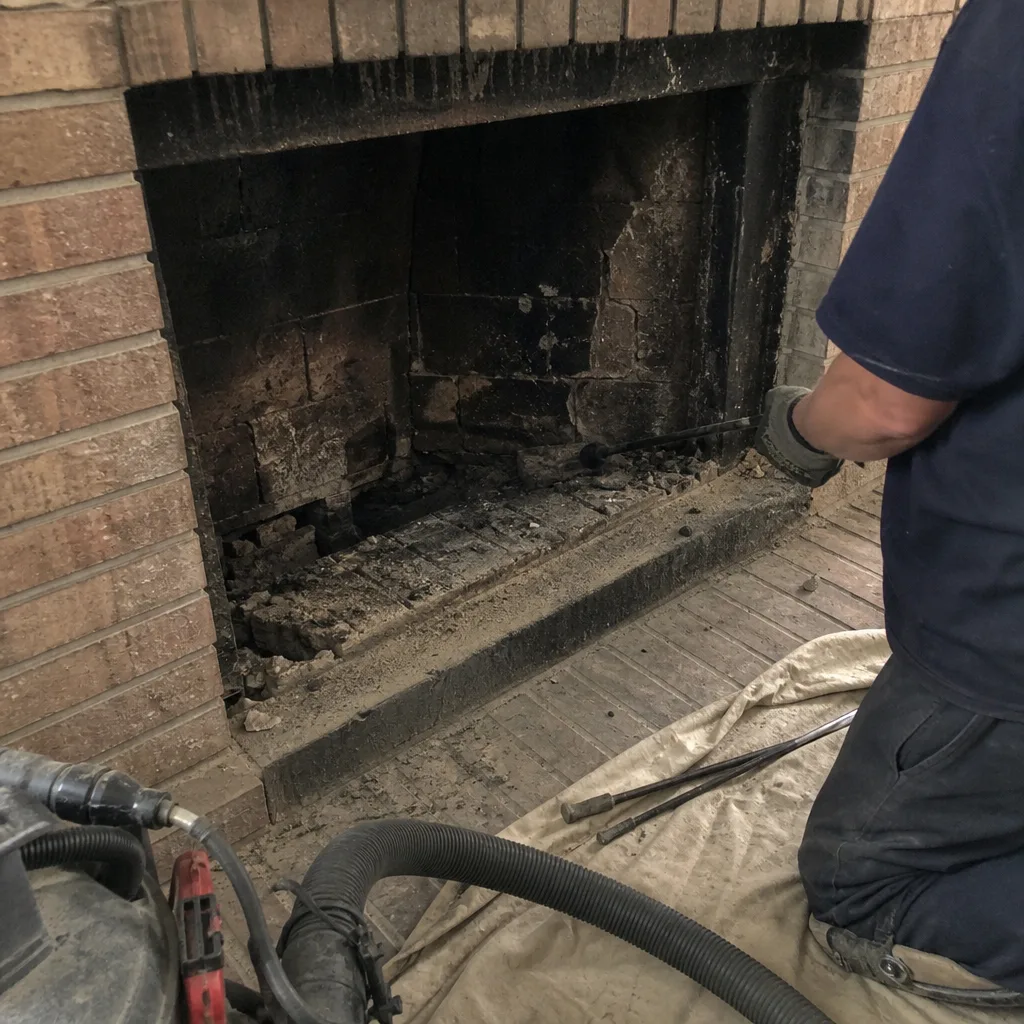 Before
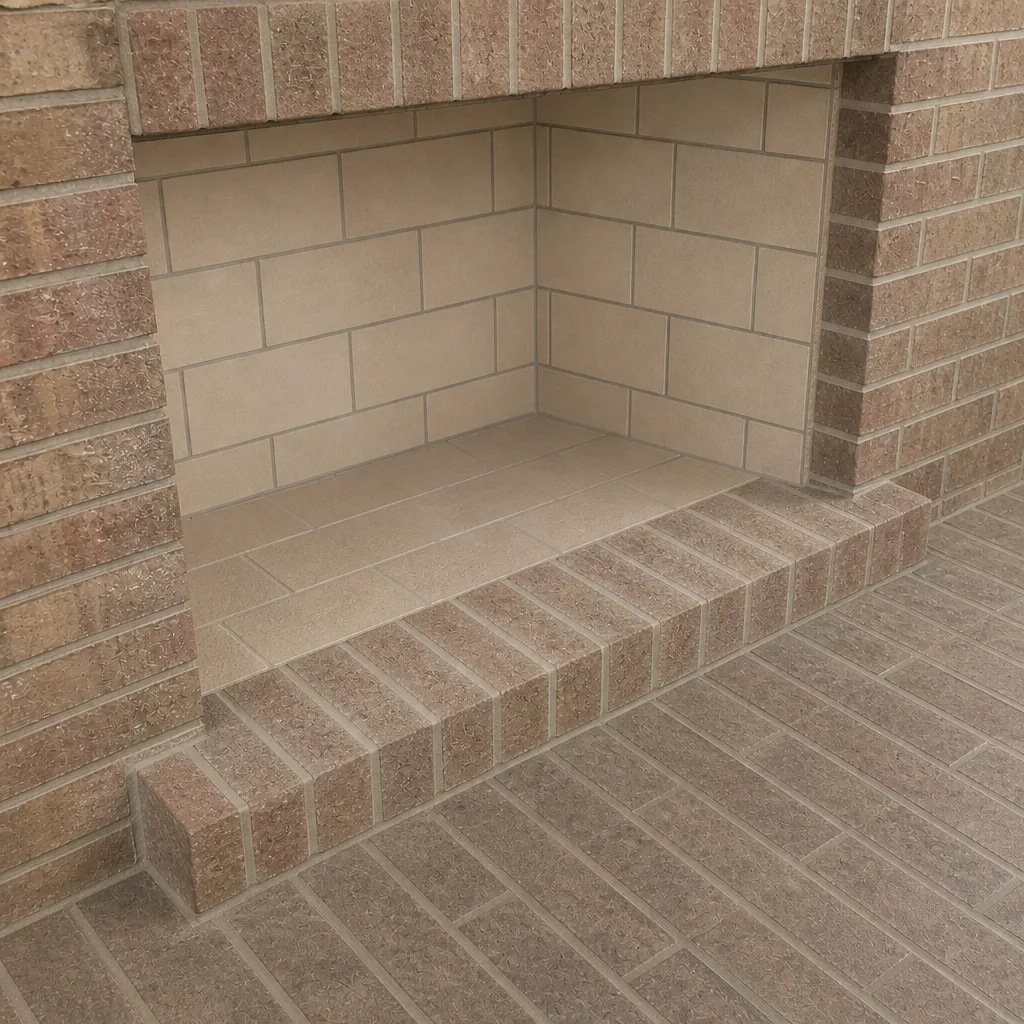 After
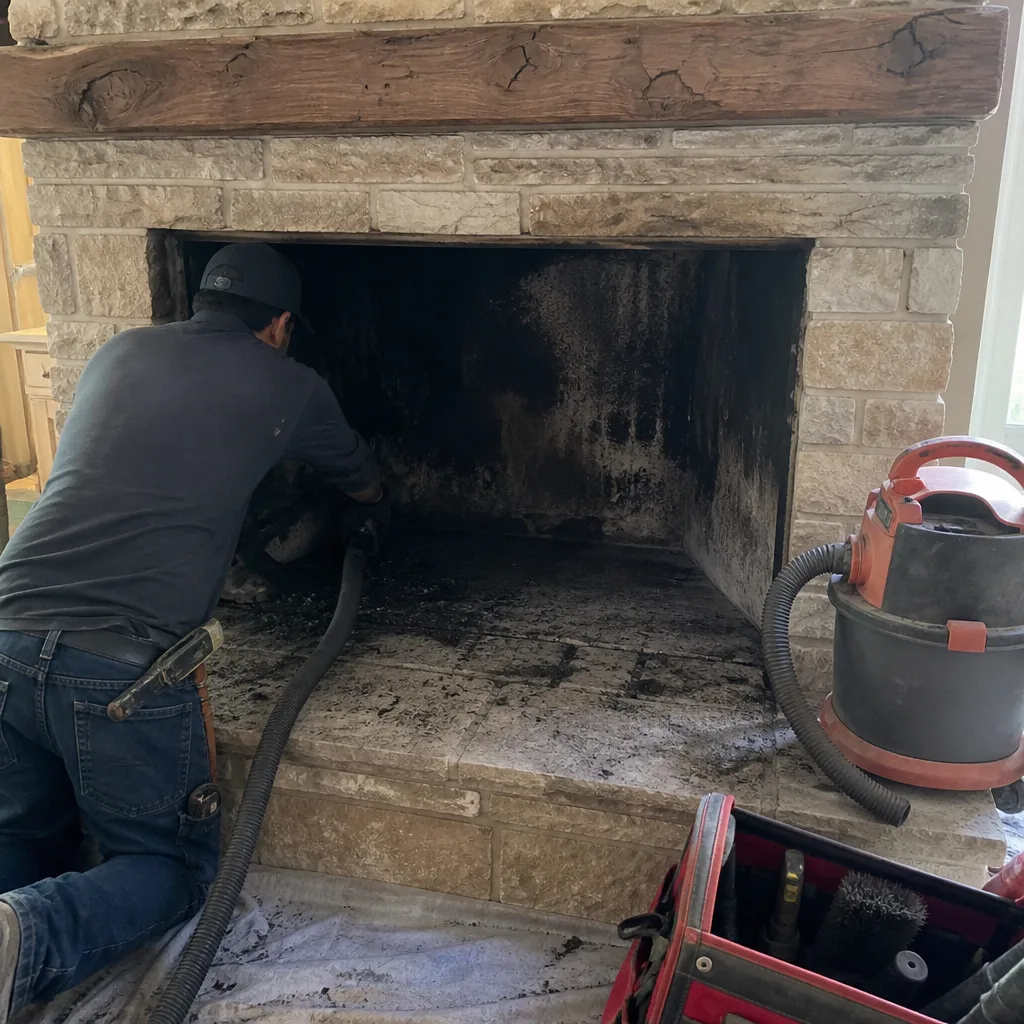 Before
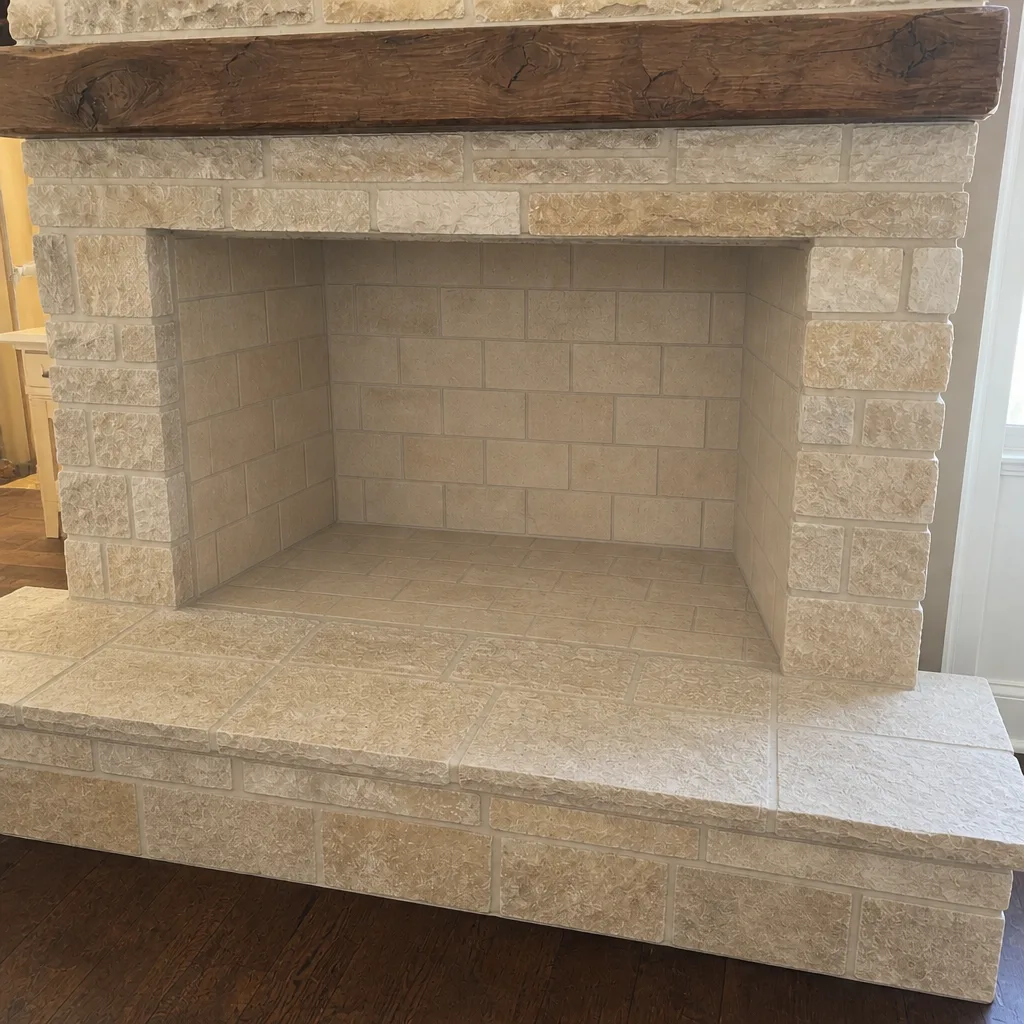 After
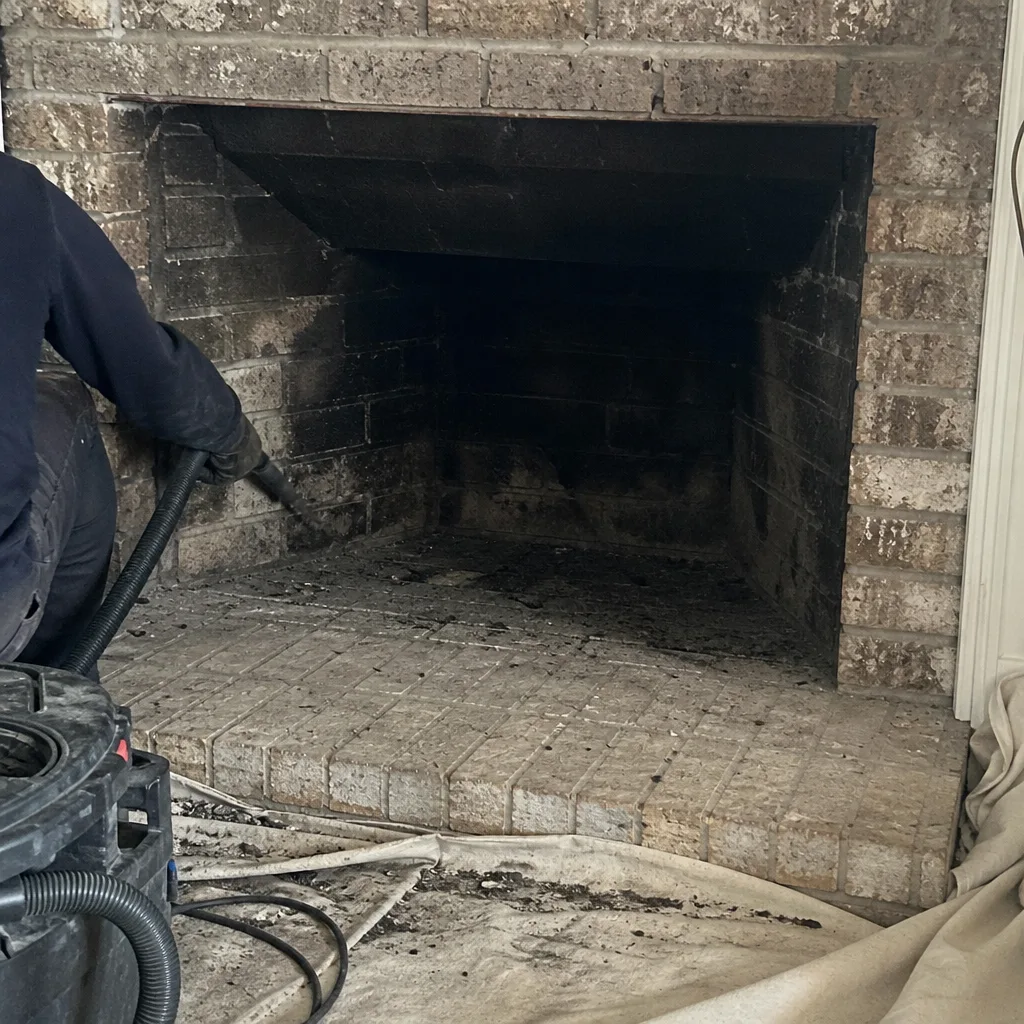 Before
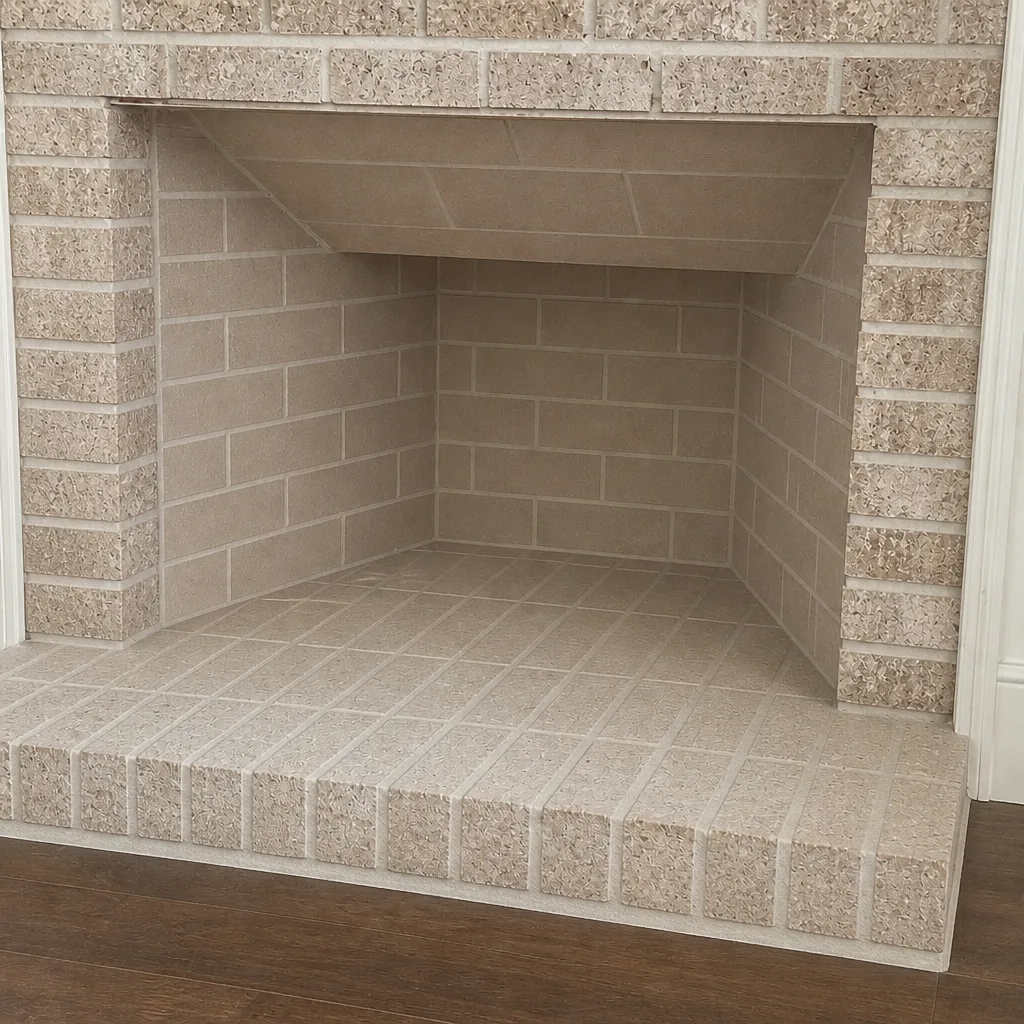 After
When to Call a Professional
If any of the following applies, it’s time to have the chimney swept and inspected by a professional: you’ve just moved into a new home in Richardson and don’t know the last sweep date; you notice a strong, acrid creosote smell during or after a fire; you can see shiny, glazed deposits on the flue walls; you’ve had a chimney fire, even a small one; there’s visible water staining, rust on the damper, or loose mortar near the chimney; or it’s simply been more than a year since your last sweep. A cracked liner, a creosote stage you can’t identify, or any doubt about the cap or flashing belong in the professional column. Ridgeway Chimney Sweep offers free estimates in Richardson – call (888) 873-4715. Estimates are free and the price is set by the written estimate, so you’ll know the cost before any work is booked.
Frequently Asked Questions
You can remove loose soot and Stage 1 creosote from some chimney types with a consumer brush, but you cannot properly inspect your liner, smoke chamber, or flashing, and you can’t remove Stage 2 or Stage 3 creosote with retail tools. For most Richardson homes, the sensible approach is a professional sweep and inspection, with light ash and firebox maintenance between visits. Call (888) 873-4715 for a free estimate – we’ll tell you what your chimney actually needs.
Chimney sweep pricing is set per job by a written estimate, and it depends on the flue type, access, condition, and whether chemical creosote treatment is needed. That’s why we give a free estimate before booking rather than quoting a number over the phone. Call (888) 873-4715 for an exact quote – estimates are free.
Stage 1 is soft and flaky and a brush removes most of it; Stage 2 is hard and tar-like and needs chemical treatment; Stage 3 is glazed and hardened and is the stage most closely tied to chimney fire risk. A professional sweep identifies which stage you have and what treatment applies. If you’re not sure, a sweep and inspection answers it. Call (888) 873-4715.
Yes – looking clean from the firebox tells you almost nothing about liner integrity, smoke chamber condition, or the flashing seal. Those require a camera inspection from the top down and a trained eye on the exterior. Richardson’s long mild burning season means deposits and seal problems build quietly through the year. Call (888) 873-4715 to schedule a sweep and inspection.
Creosote accumulates, and at Stage 2 and Stage 3 it becomes the primary fuel for a chimney fire. Separately, undetected cracks in the liner can allow combustion gases into the home, and a failed flashing seal lets water in to rot the damper and mortar from the inside. Those are real risks, not a scare pitch – and the inspection is what tells you where you stand. Call (888) 873-4715 for a free estimate.
No – HeatShield ceramic resurfacing and DuraFlex flexible liner systems are professional-grade products installed by trained technicians, not sold through retail channels. They come into the conversation only after an inspection identifies a liner or flue issue that needs repair rather than cleaning. Ridgeway Chimney Sweep is authorized to install and work with DuraFlex. Call (888) 873-4715 to schedule an inspection.
Sweeping is the removal of soot and creosote from the firebox, flue, and smoke chamber; inspection is the camera and exterior assessment of liner integrity, smoke chamber condition, and flashing seal. Both are part of a professional visit, and the inspection is what determines whether any repair is needed. A brush alone doesn’t inspect anything. Ridgeway Chimney Sweep handles sweep, inspect, and repair under one company. Call (888) 873-4715.
The Bottom Line
DIY chimney cleaning in Richardson makes sense as light maintenance between professional sweeps – ash cleanup, firebox brushing, and careful observation of the cap and the burn behavior. It doesn’t make sense as a replacement for the annual sweep and inspection, because the things that matter most can’t be removed with a consumer brush and can’t be assessed without a camera and training. The professional visit gives you a documented report, a clean flue, and an honest answer about whether any repair is needed. When repair is needed, professional-grade materials like HeatShield and DuraFlex are what make a proper fix possible. For most homes, the answer is simple: sweep once a year, inspect every visit, and let the report drive the decision.
If you’d like a straight answer on your chimney, Ridgeway Chimney Sweep offers free estimates in Richardson. We handle sweep, inspect, and repair as one company, using industry-trusted brands and the right materials for the job. Call (888) 873-4715. We answer 24/7. Fast dispatch from 7am to 7pm, Sunday through Friday. Estimates are free and the price is set by the written estimate. To learn more about our company, visit Ridgeway Chimney Sweep.
Written by the team at Ridgeway Chimney Sweep.