
Last updated November 16, 2026
 Sweep & inspection
 Caps & crowns
 Flue relining
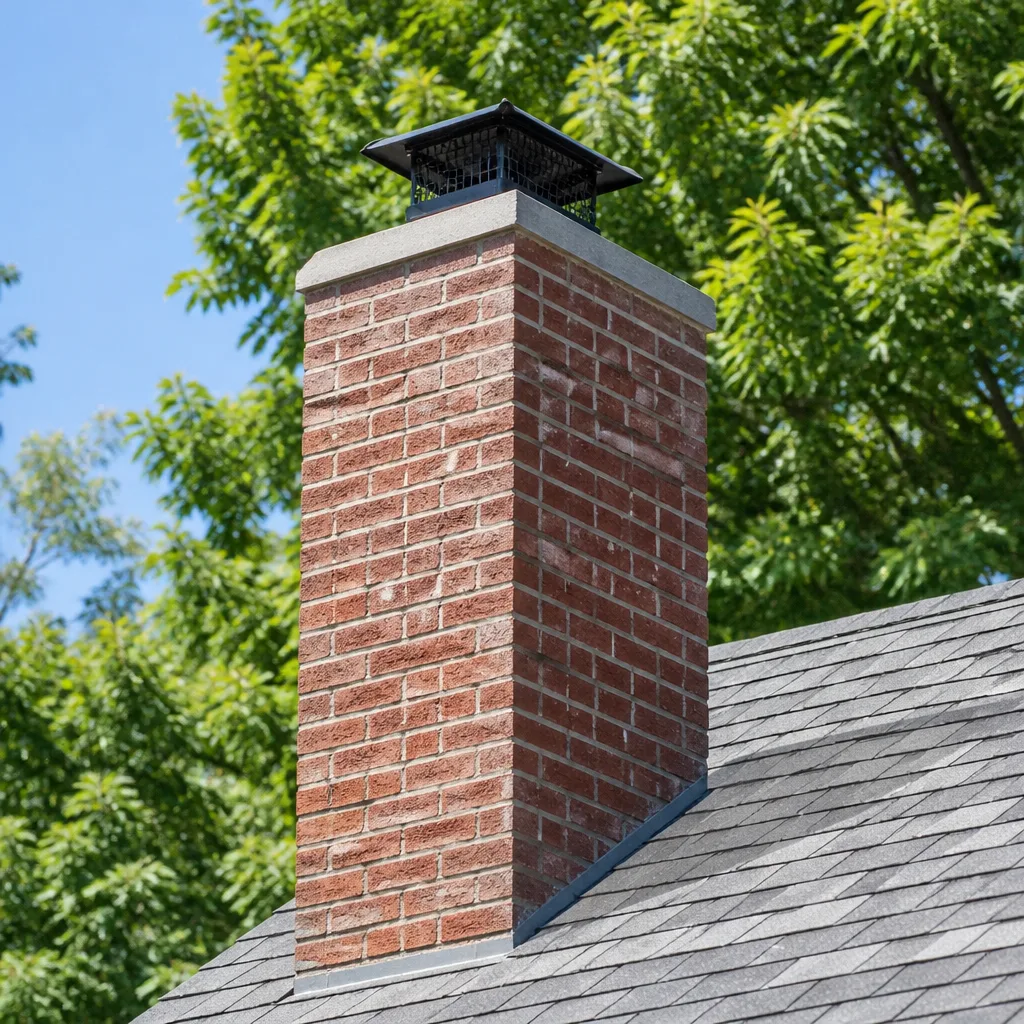 Masonry repair
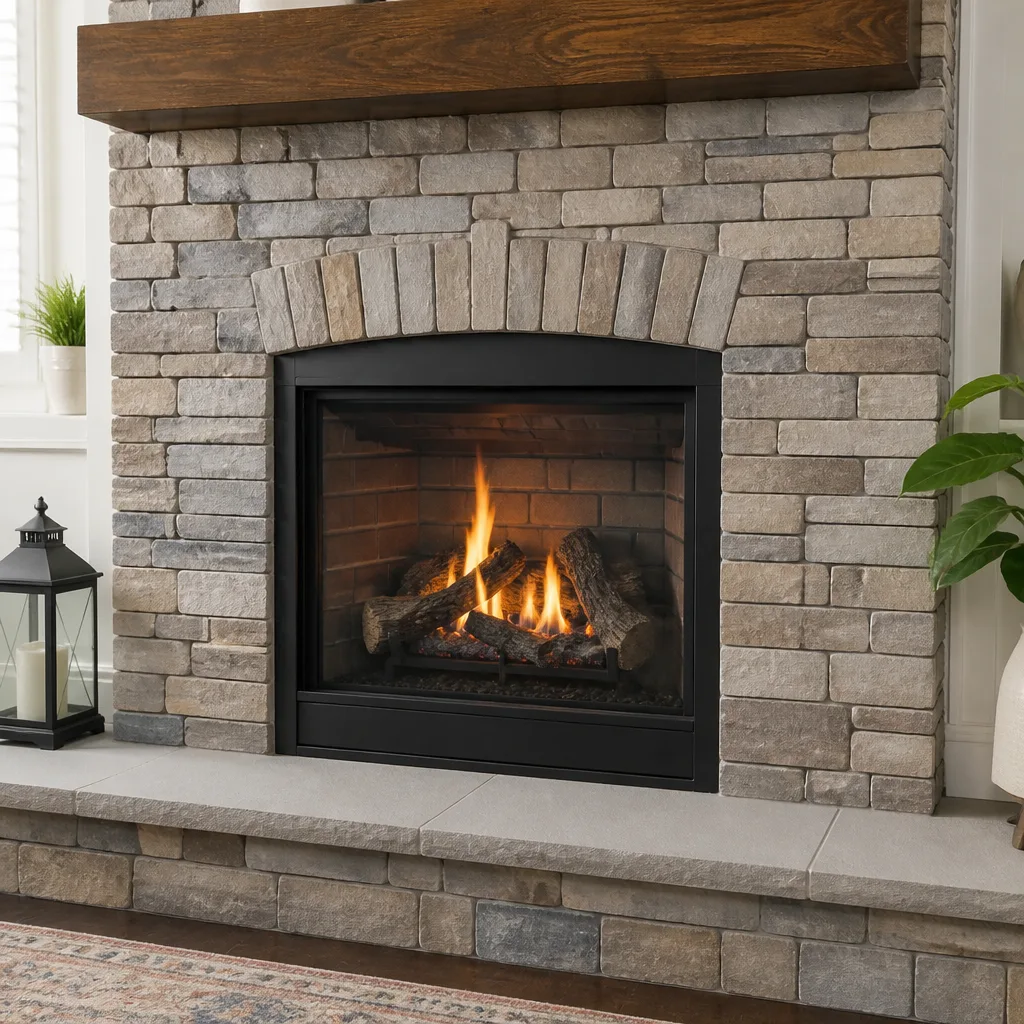 Gas fireplace service
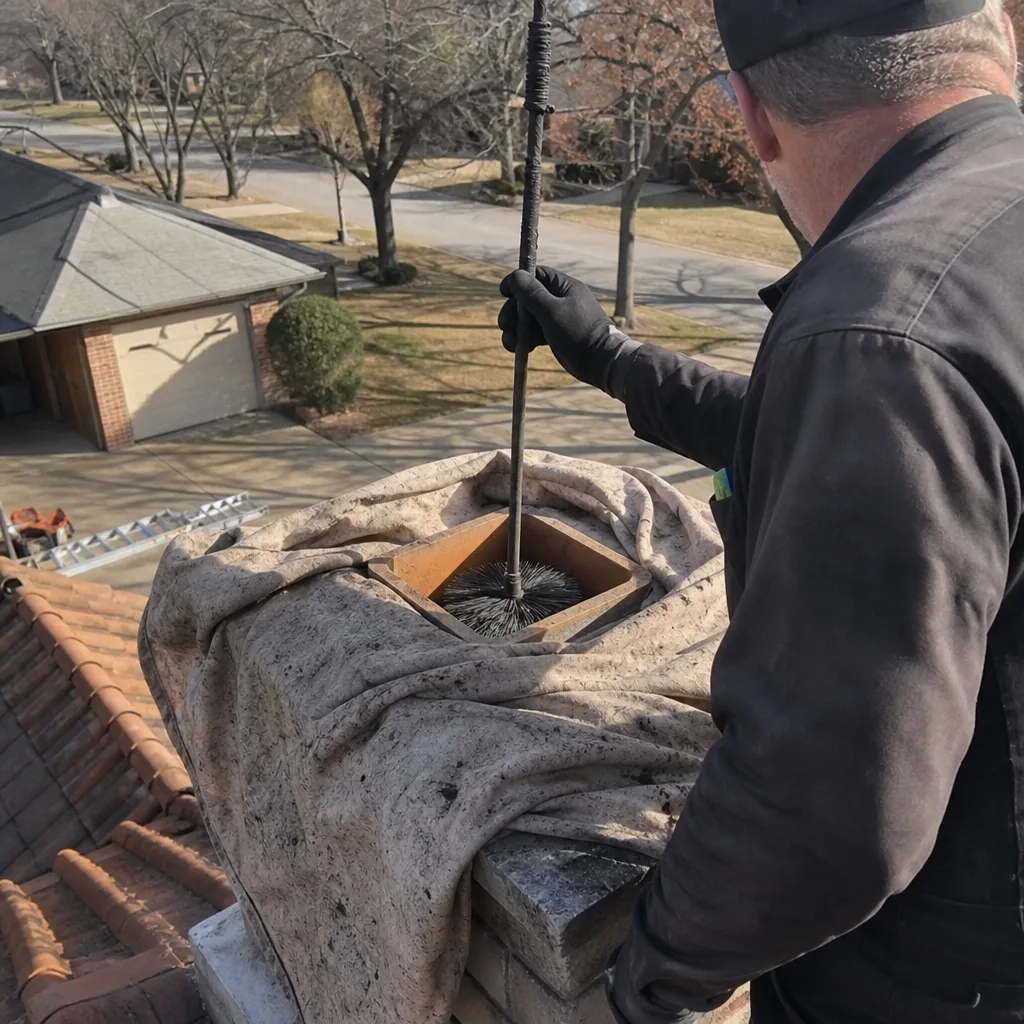
Level 1 sweep and inspection to the NFPA 211 annual standard - flue, crown, cap, and flashing checked and photographed
Chimney sweep logs do not sweep chimneys. They loosen some creosote - which then falls where a brush and vacuum still have to collect it.
Chimney Sweep Troubleshooting in Richardson: Common Problems and How to Fix Them
A smoky fireplace and a drafty fireplace look like the same problem, but they usually need opposite fixes. One is telling you the flue is blocked or undersized. The other is telling you the house is pulling air down the chimney. Treat a pressure problem as a blockage and you’ll clean a chimney that didn’t need cleaning. Treat a blockage as a pressure problem and the smoke keeps coming. In a Richardson home, the clues are all there if you know how to read them. This guide maps specific symptoms to specific causes so you can walk into a conversation with a sweep already knowing what you’re dealing with, and knowing when the honest answer is “nothing needs fixing today.”
Quick Answer
Most chimney problems in Richardson come down to two root causes: movement in the area’s expansive clay soil, which opens cracks in masonry and lets water in, and the short, intense burn seasons that build creosote fast and leave it sitting for months. A smoky fireplace, a draft, white staining on brick, or a cracked crown all trace back to one of those. A few issues, like a gas fireplace that won’t light, are usually not chimney problems at all. The fix ranges from a standard sweep to a reline with a system like DuraFlex, and the only way to know which is to look at the flue, not guess from the symptom.
Styles & brands we work with
- Sweep & inspection
- Caps & crowns
- Flue relining
- Masonry repair
- Gas fireplace service
Table of Contents
- Draft Problems vs. Smoke Problems: Knowing the Difference
- White Staining on Your Chimney: What Efflorescence Tells You
- Reading Creosote Stage Before a Sweep Ever Arrives
- Settlement Cracks in Richardson’s Clay Soil
- Gas Fireplace Pilot Problems Misdiagnosed as Chimney Issues
- Nesting, Blockages, and What a Camera Finds
- Liner and Crown Repair: When You Need It and When You Don’t
- A Step-by-Step Homeowner Diagnosis
Draft Problems vs. Smoke Problems: Knowing the Difference
A draft problem is air moving the wrong way. A smoke problem is exhaust that can’t move at all. That distinction is the whole game, because negative air pressure and a blocked or undersized flue pull in opposite directions and get fixed with completely different work. Richardson homes built for energy efficiency are often the ones that feel drafty at the hearth, and most homeowners assume the worst.
Negative air pressure is the culprit in a lot of newer, tighter homes. Bathroom fans, kitchen exhaust hoods, and a well-sealed envelope all reduce the air available inside the house. When the house is starved for air, it pulls the path of least resistance, and that path is often down your chimney. The tell is simple: the fireplace behaves worse when the kitchen hood runs or when the house is fully closed up in winter, and it improves with a window cracked nearby.
A blocked or oversized flue is a different animal. Smoke rolls back into the room steadily, even when nothing else in the house is running, and it doesn’t improve with a window cracked. A flue that’s too large for the firebox never warms up enough to establish draft. One that’s too small simply can’t carry the volume of smoke. Both will make the fireplace unusable until corrected.
Here’s the quick comparison:
- Negative pressure: smoke appears mainly when exhaust fans run or the house is sealed, improves with a nearby window open, and typically comes with a cold air “whoosh” at the hearth.
- Blocked flue: steady smoke rollback in every condition, dark creosote visible up the flue, or an outright odor that gets stronger in summer.
- Sizing mismatch: a roaring fire smokes but a small fire drafts fine, or the reverse, with no visible obstruction.
If you’ve distinguished pressure from blockage and suspect something more structural, our chimney sweep service starts with an assessment, not a guess.
White Staining on Your Chimney: What Efflorescence Tells You
White staining on brick or mortar is called efflorescence, and in Richardson it’s rarely just cosmetic. It’s the mineral residue left behind after water has worked its way into the masonry and then evaporated back out, carrying salts with it. Where the water is getting in matters more than the stain itself.
Water enters masonry through several predictable openings: the crown, the flashing where the chimney meets the roof, unsealed joints, and a missing or failing cap. In North Texas the aggressive sun and rapid wet-dry cycles age those joints faster than many homeowners expect. Once water is inside the chimney chase, it doesn’t stay in the brick. It finds the flue.
This is the part most homeowners miss. Water intrusion around a clay tile flue liner can cause the tile to crack or the joints to separate, and that’s a genuine problem, not a housekeeping one. A compromised flue liner lets combustion gases and creosote residue migrate behind the liner, and it’s a real safety concern. Any chimney with persistent efflorescence deserves a look at the liner, not just a fresh coat of sealant on the exterior.
When water damage has reached the flue, we resurface the liner with HeatShield, a ceramic resurfacing system that repairs a damaged flue from the inside without pulling the chimney apart. It’s a product general handymen don’t have access to and shouldn’t be trying to install. Fixing the flashing with Famco components and capping the top with a purpose-built cap from Gelco or Olympia Chimney keeps the water out going forward, so the repair isn’t reversed by the next storm season.
The short version: if you see white staining, don’t paint over it and don’t assume it’s aging. Have the liner checked.
Reading Creosote Stage Before a Sweep Ever Arrives
You can estimate creosote stage before anyone shows up, using two clues that cost nothing to check: how the fireplace smells, and how it smokes.
Creosote builds in stages, and each stage has a signature:
- Stage 1, soot and flaky deposits. Light, dry, and easily brushed. Odor is mild and mostly seasonal. The fireplace smokes only in cold-start conditions.
- Stage 2, crusted or hardened deposits. A stronger, sharper campfire smell even when the fireplace is cold. Smoke behavior is less predictable, and the fire takes longer to draw fully.
- Stage 3, glazed and tar-like. A harsh, acrid smell that lingers into warm weather. Smoke rolls back readily, and the fire burns poorly. Stage 3 needs a professional sweep and possibly chemical treatment, because glazed creosote doesn’t come off with a standard brush.
The creosote smell is your early warning. That sharp campfire odor in July means deposits have built up enough to release compounds as the chimney warms, and you’ve likely moved past stage 1. Richardson’s short, intense burn seasons work against you here: a concentrated stretch of heavy fireplace use lays a thick layer down quickly, and the long warm months leave it sitting and curing until it hardens.
One caution: creosote is combustible and a chimney fire is a serious event, not a slow concern. If you smell the acrid stage 3 signature or hear a roaring sound in the flue, that’s a professional matter, not a DIY one. Stop using the fireplace and have it inspected.
Settlement Cracks in Richardson’s Clay Soil
Richardson sits on expansive clay, and that clay swells when it’s wet and shrinks when it dries. The result is slow movement, and chimneys feel every inch of it because they’re heavy, rigid masonry sitting on small footings. Not every crack is a serious crack, though, and the pattern tells you which is which.
Cracks to watch for, roughly in order of concern:
- Horizontal cracks across the brick, mortar, or crown: these are the ones to take seriously. Horizontal separation often indicates movement or settlement that’s displacing the chimney from the structure, and it can affect the flue.
- Stair-step cracks through the mortar joints: also structural until proven otherwise, especially if the crack is widening.
- Diagonal cracks near the top of the chimney: frequently the result of the crown aging and moving, worth a look but often local.
- Hairline vertical cracks in mortar: the most common and usually cosmetic, particularly when old and not widening. These are the ones homeowners over-worry about.
The honest rule is that width and continuity matter more than direction alone. A crack that’s wide enough to admit water, that’s growing, or that runs through the full depth of the masonry is a call-now situation. A stable hairline in a mortar joint that hasn’t changed in a season can wait, if the crown and flashing are sound.
North Texas ground movement doesn’t require a dramatic event to cause a problem. It’s cumulative. If a crown crack lets water into the chase, the next wet-dry cycle finds it and the crack gets a little worse. Caught early, the fix is a repair; caught late, it becomes a rebuild. If you’re wondering whether the movement you’re seeing is a builder’s crack or a real one, our chimney repair assessment is the calm way to find out.
Gas Fireplace Pilot Problems Misdiagnosed as Chimney Issues
A gas fireplace that won’t light or won’t stay lit is usually not a chimney problem, and treating it as one wastes time and money. The one-minute test: if the pilot flame lights but goes out the moment you release the knob, or the appliance is completely dead with no flame at all, you’re looking at a control or gas supply issue, not a flue issue. The chimney plays a role only when the appliance vents, lights fine, but shows smoky or sooty behavior at the vent.
The common non-chimney culprits:
- A thermocouple or thermopile that’s worn and can’t hold the safety pilot open.
- A gas supply problem at the valve or the line.
- A control switch or remote failure.
- A blocked pilot orifice, often from dust.
Those are appliance and gas service issues, and gas work is not a homeowner task. If your pilot test points there, that’s where the call goes. If instead the fireplace lights and burns but the venting looks off, or you smell combustion gases, then the chimney and venting side is in play.
We’ll tell you which one you have, which is the point. The worst outcome is paying for a sweep on a chimney that isn’t the problem.
Nesting, Blockages, and What a Camera Finds
Blockages are the most literal chimney problem there is, and they’re also the one most likely to be guessed wrong from the top of the house. Birds and squirrels nest in uncapped flues, and a nest plus creosote is a genuine hazard that a flashlight won’t reveal from either end.
Signs you may have a blockage:
- Smoke rolls back even when the house is well ventilated.
- The fireplace has a weak or absent draft.
- You hear scratching or chirping in the flue.
- The smell is different from the usual creosote scent, often more organic.
- The fire has become noticeably harder to start and keep going.
A camera inspection settles it. We run a camera up the flue and hand you photos of what’s actually there, so the answer to “do I need a repair?” is based on what’s in front of you, not on what a scan turned up. That matters when the recommended fix could otherwise run to a liner or masonry work you have no way to verify yourself.
The other reason a camera matters: a flue that looks clear from below can have a partially collapsed tile or an offset joint higher up. A brush will pass and the fire will still smoke. Once the blockage is cleared, the right cap from Olympia Chimney or Gelco keeps nesting birds from coming back, and it’s one of the simplest preventive fixes on the list.
Liner and Crown Repair: When You Need It and When You Don’t
This is where the honest-assessment question matters most, because relining is real work and the homeowner is right to want proof. The answer is that a liner only needs replacing when the camera shows damage: cracked tiles, separated joints, or clear deterioration. If the flue is sound, a liner is not the recommendation.
When the liner does need attention, the fix depends on what’s wrong:
- Surface damage to a sound clay flue: resurfacing with HeatShield restores the interior without reconstruction.
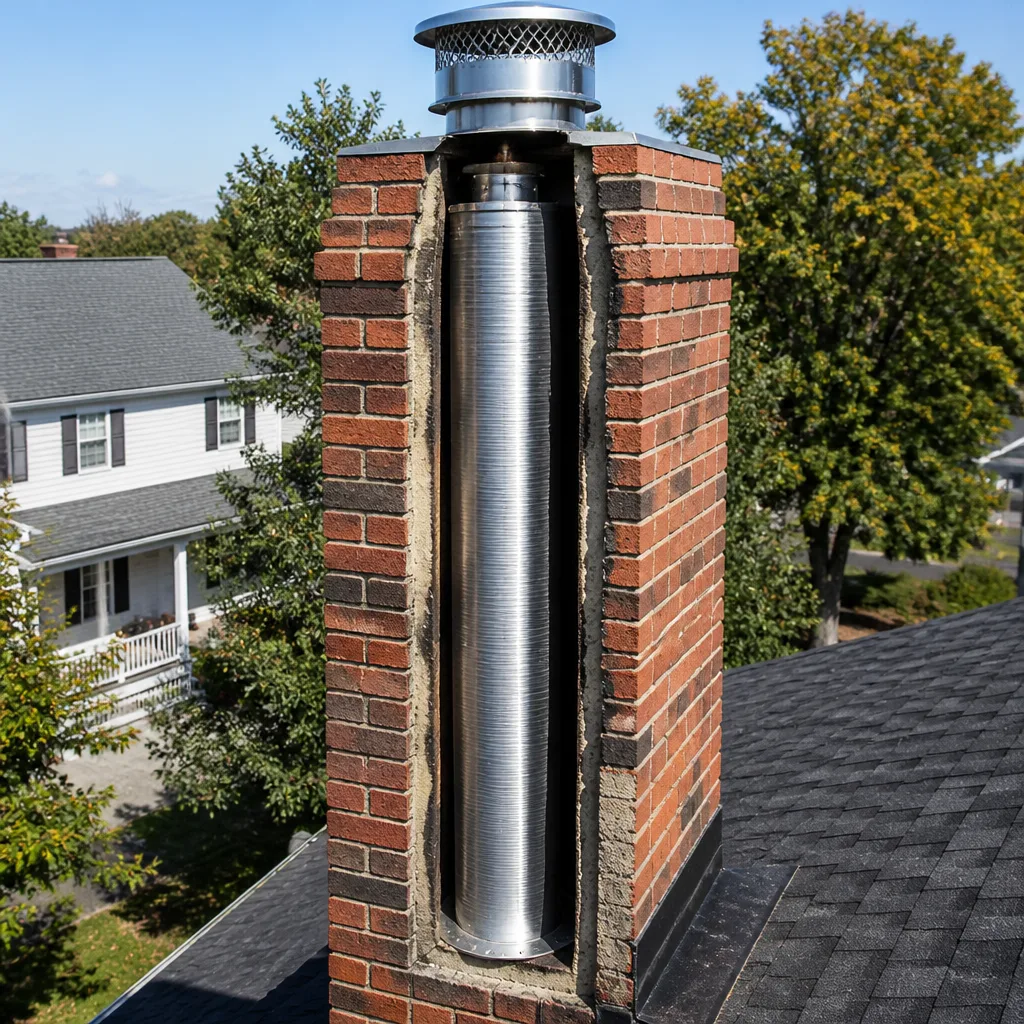
- An aged or damaged flue that can’t be resurfaced: a flexible liner system like DuraFlex is installed inside the existing flue, which relines the chimney without tearing it down.
- A failing crown or top seal: the crown gets repaired or rebuilt so water stops entering the chase in the first place.
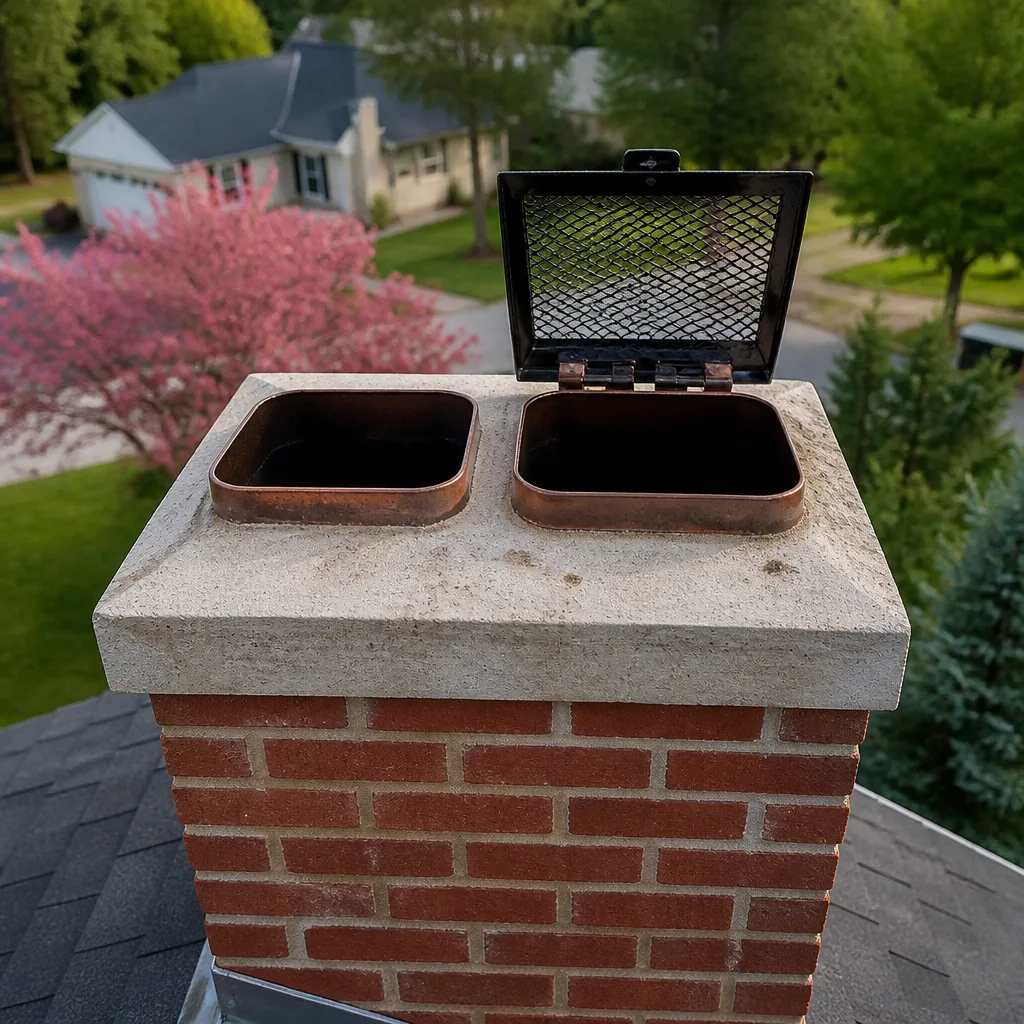
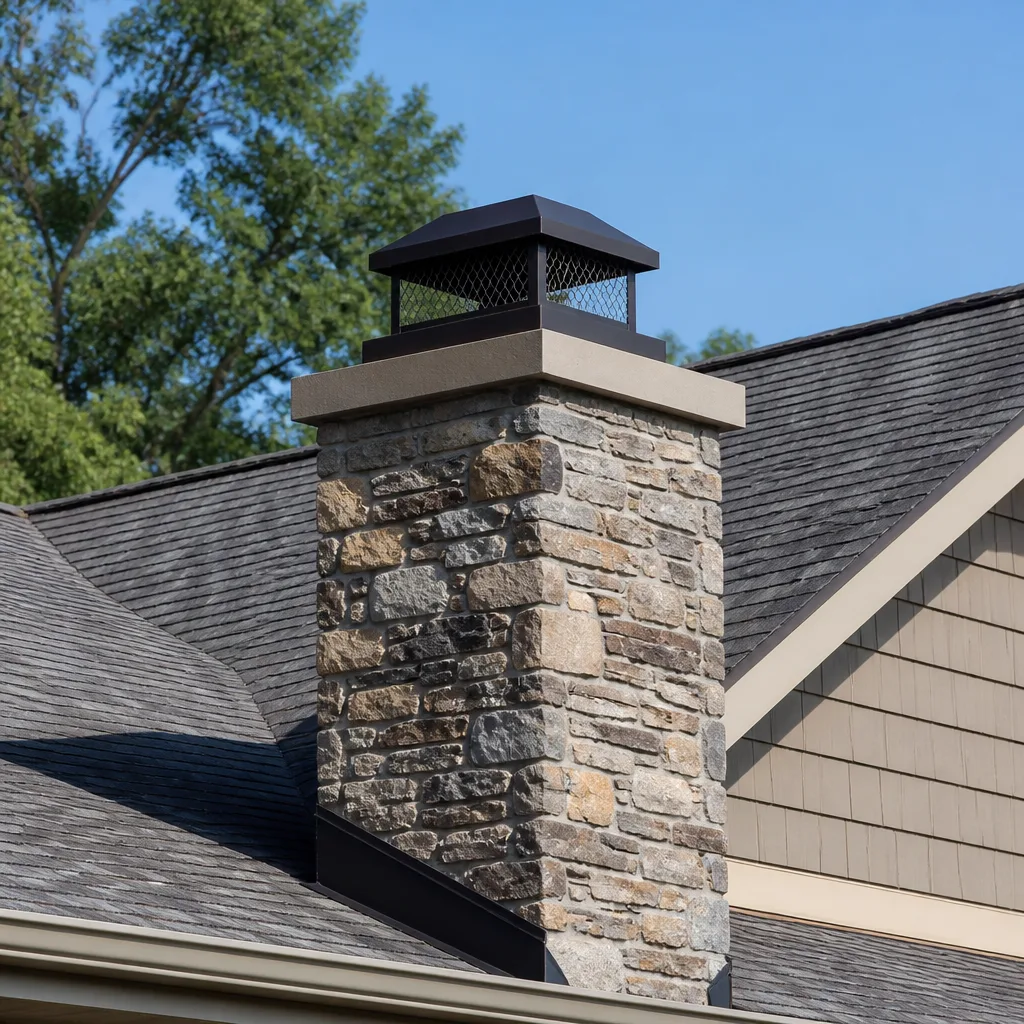
Weatherproofing the top of the chimney is a small job with a big payoff in Richardson, where sun and seasonal rain do their work on the crown and flashing every year. Famco flashing and venting components are built for the function, and a proper cap keeps out rain, birds, and debris without restricting draft.
When work can safely wait, we say so. If your liner is intact and the crown is sound, a cleaning and a written record of the inspection are all you need this year.
A Step-by-Step Homeowner Diagnosis
Before you call, run through this in order. It takes about ten minutes and it gives you a much clearer picture of what’s actually wrong.
- Test for negative pressure. Light a small fire with the house closed up, then crack a window nearby and see if the smoke behavior improves. If it does, pressure is a factor.
- Run your exhaust fans. Turn on the kitchen hood or a bathroom fan and watch the fireplace. Smoke appearing then points to pressure, not a blockage.
- Smell the fireplace cold. A sharp, acrid odor in warm weather suggests hardened creosote and a needed sweep.
- Look for white staining. Efflorescence on brick or mortar means water is entering and the liner needs checking.
- Inspect for cracks. Note direction, width, and whether it’s growing. Horizontal and stair-step cracks get priority.
- Do the pilot test on a gas fireplace. Lights then dies on release, or dead cold, means the chimney gets a pass and the appliance needs service.
- Shine a light up the flue and look up from the roof line if you can see it safely. Visible nesting material or heavy buildup means book a sweep and camera inspection.
From ground level it’s worth a look at the whole picture: whether your roof and gutters drain away from the chimney, and whether the cap is present. Those two details feed the water-intrusion story more often than anything else. Our team at Ridgeway Chimney Sweep covers sweep, inspect, and repair so you’re not coordinating three contractors for one diagnosis.
Common Mistakes to Avoid
- Treating a pressure problem as a blockage. Cleaning a chimney that isn’t blocked doesn’t fix smoke rollback. Test the pressure first.
- Painting over efflorescence. The stain is a symptom, not a finish issue. Water is getting in, and the liner is what matters.
- Assuming all cracks are structural. Counting every hairline as urgent leads to unnecessary work. Let the width and growth tell the story.
- Booking a sweep for a gas pilot problem. A dead gas fireplace is usually an appliance or gas supply issue, not a chimney one.
- Using a flue cap as an excuse to skip the crown repair. A cap keeps rain and birds out. It doesn’t fix a failing crown or flashing that’s already letting water in.
- Cleaning a chimney yourself and calling it done. A quick sweep misses stage 3 creosote, cracked tiles, and offsets higher in the flue. The camera is there for a reason.
- Waiting on a liner because the chimney still works. A damaged liner can vent combustion gases into spaces the firebox doesn’t show you. That’s a safety call, not a convenience one.
See the difference
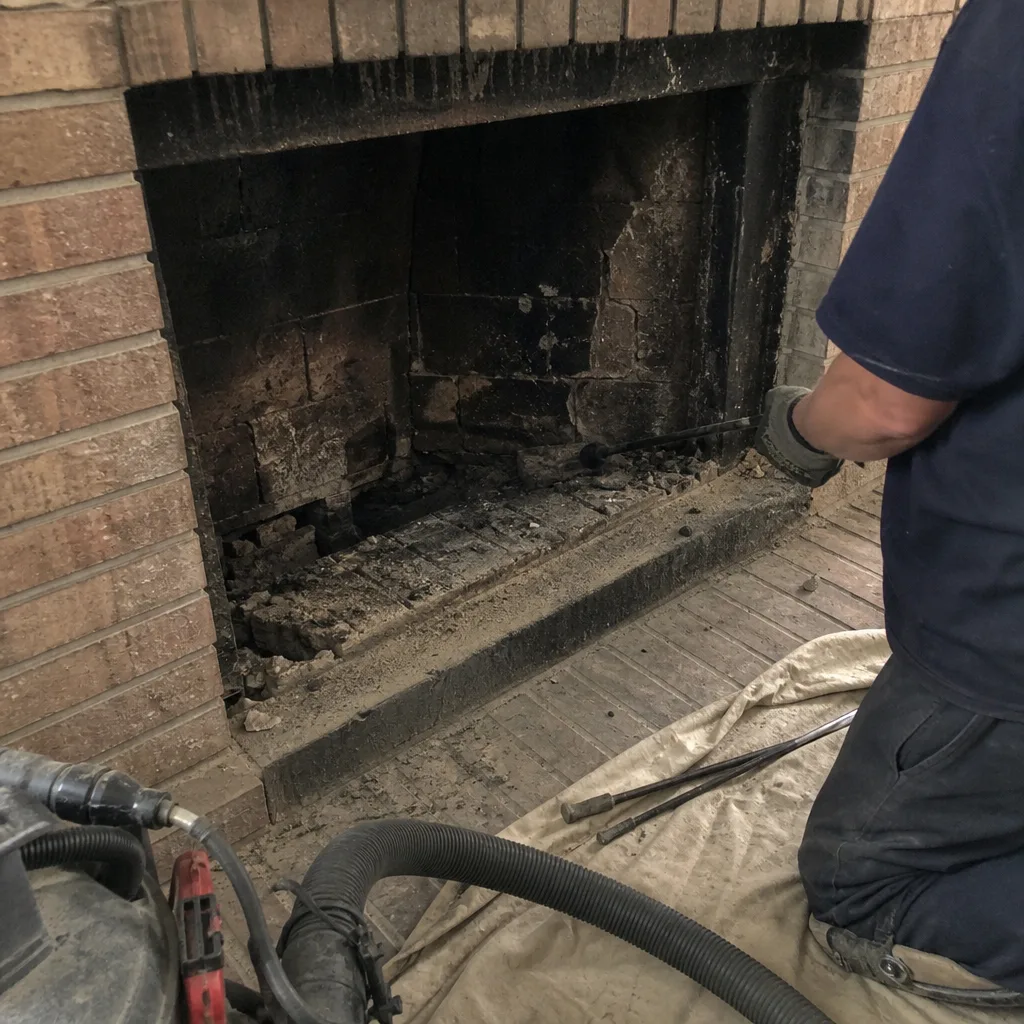 Before
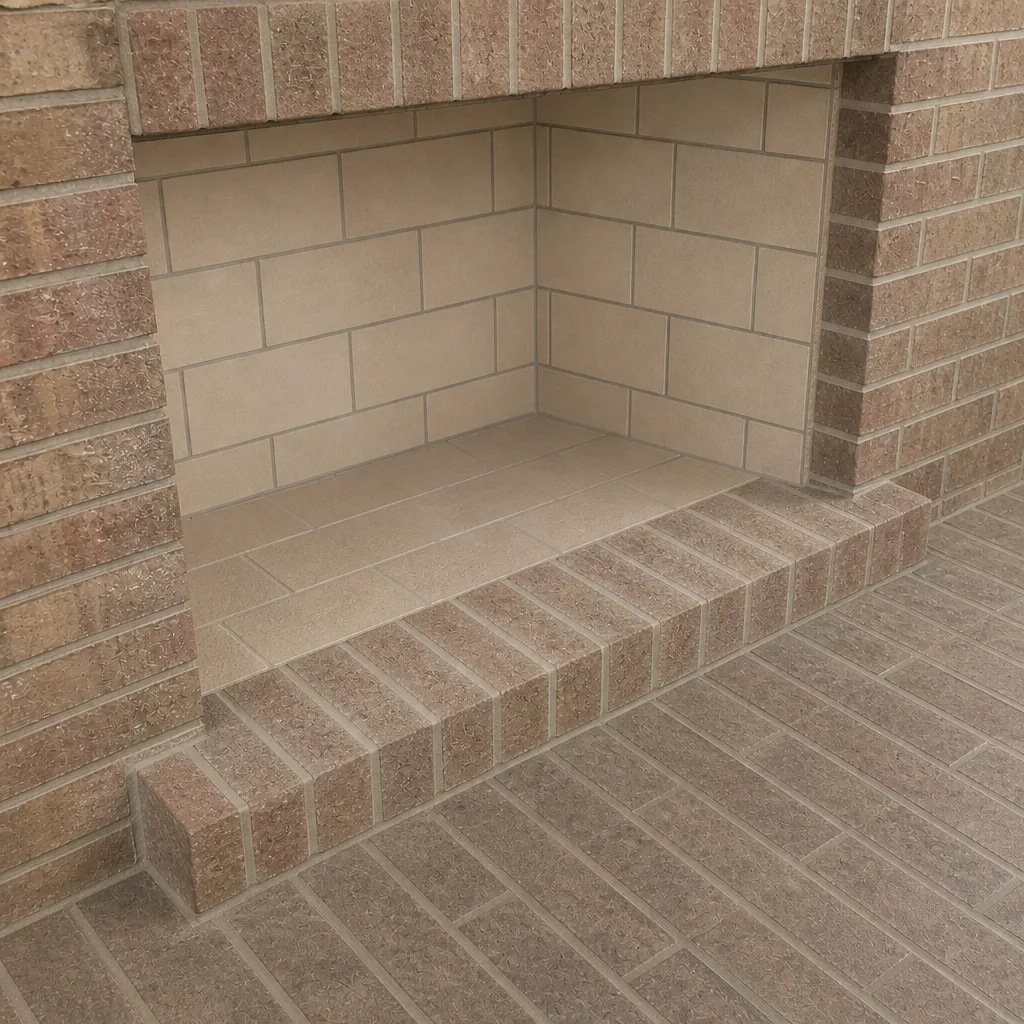 After
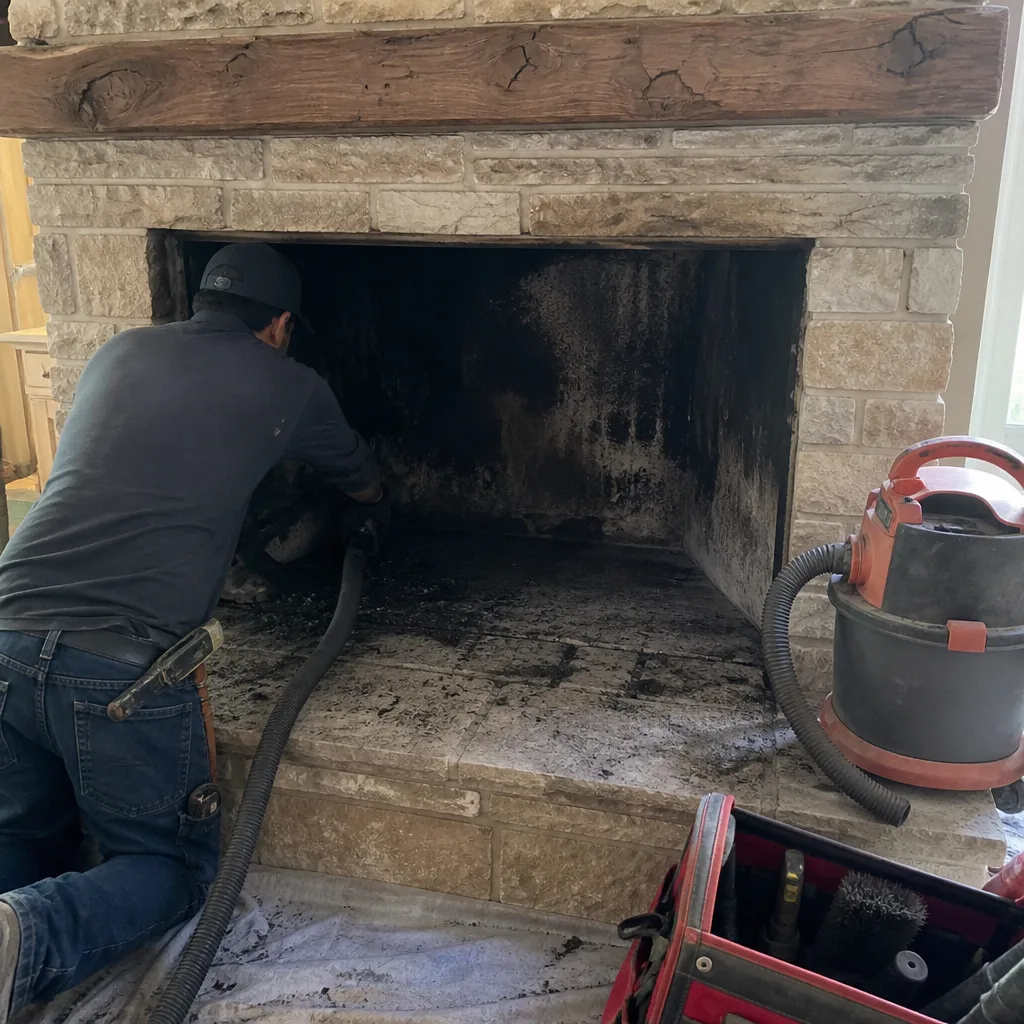 Before
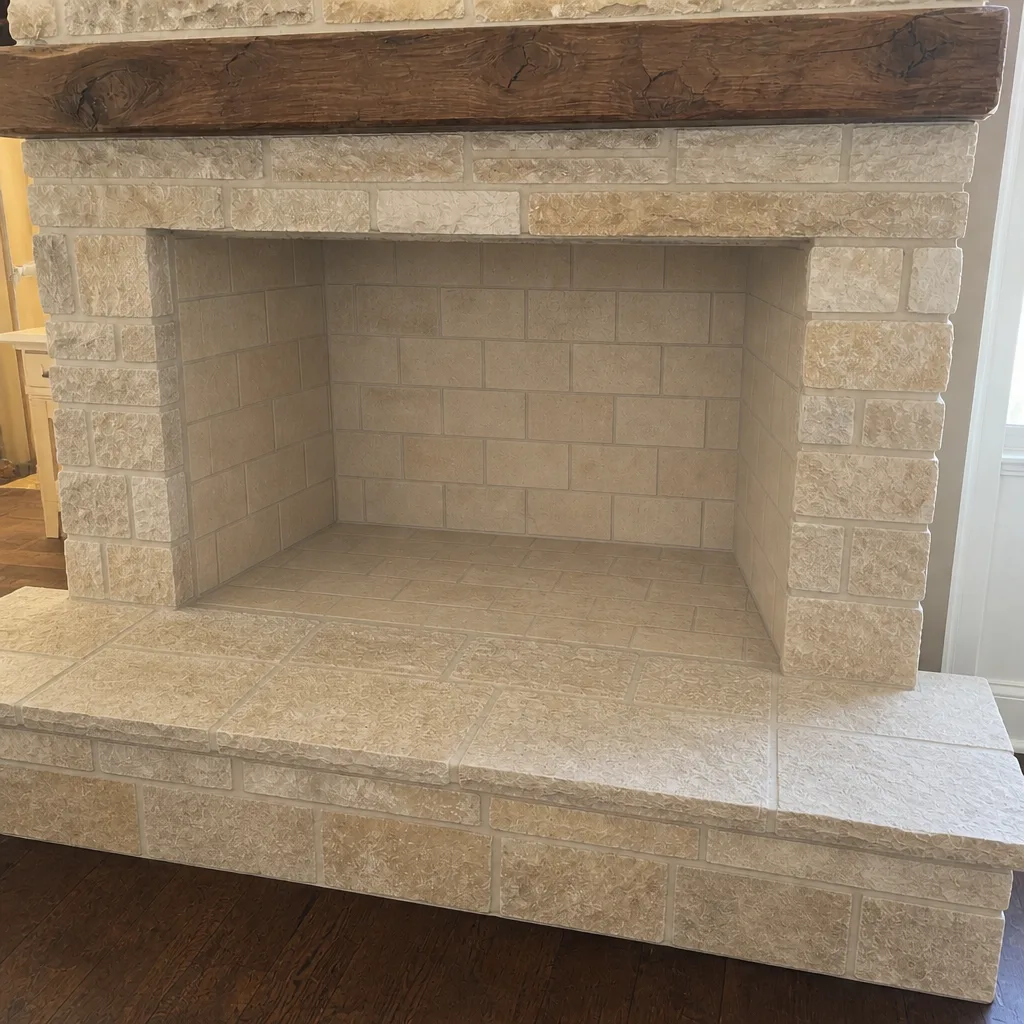 After
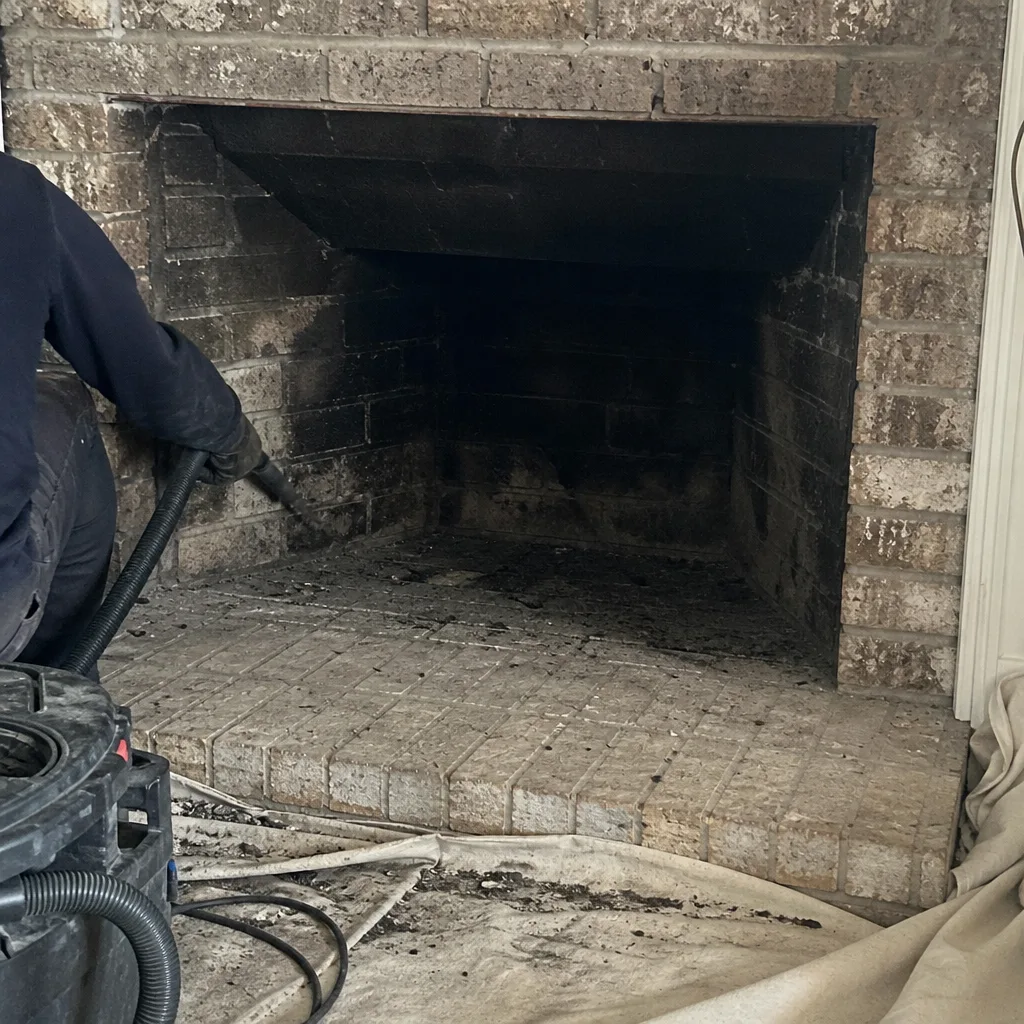 Before
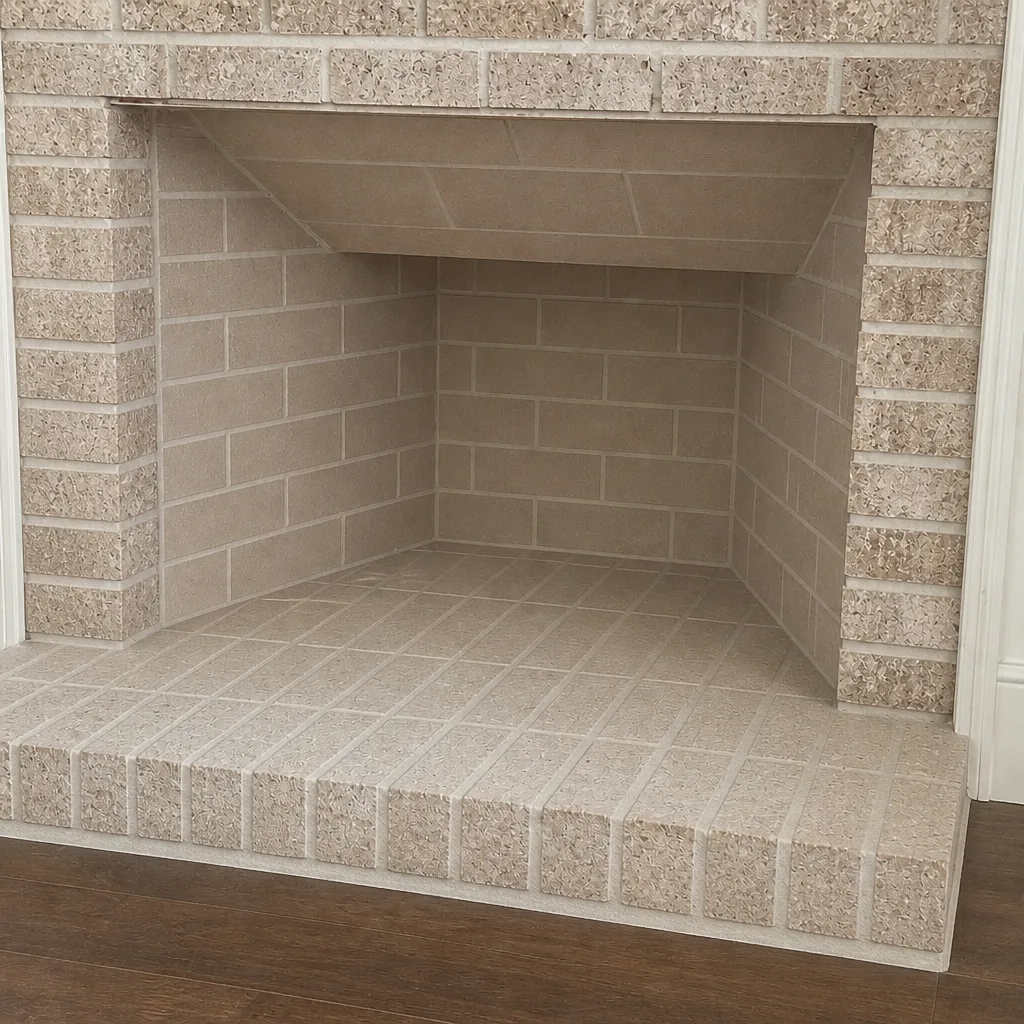 After
When to Call a Professional
Call a professional if you smell an acrid odor from a cold fireplace, if you see horizontal or stair-step cracks, if efflorescence persists, or if your gas fireplace lights but vents poorly. Call immediately if you hear a roaring sound in the flue, smell smoke you can’t explain, or suspect nesting material. Gas and pilot problems need a gas appliance technician, and that’s a separate call. Everything else is a conversation, and the honest answer to “do I need this repair?” is based on camera evidence you can see for yourself. Ridgeway Chimney Sweep offers free estimates in Richardson, so you’re not paying to find out what’s wrong. Call (888) 873-4715. We answer 24/7. Fast dispatch from 7am to 7pm, Sunday through Friday. If you want to know more about the area we serve, our Richardson page covers it.
Frequently Asked Questions
A standard sweep is typically a modest, flat-priced job, and repair or relining work is quoted per job based on what the inspection finds. The written estimate sets the final price, and estimates are free. Call (888) 873-4715 for an exact quote.
Only if the camera shows actual damage, such as cracked tiles, separated joints, or clear deterioration. If the flue is sound, a liner isn’t the recommendation, and we’ll tell you so. If the flue is damaged, HeatShield resurfacing or a DuraFlex liner solves it without tearing the chimney down. Call for a free estimate.
Once a year is the general standard, and in this climate more frequent if you burn heavily during the short burn season or notice a strong acrid odor in summer. Creosote hardens with months of warm idle time, so the annual check matters more than people expect. Call to book a sweep.
It means water is getting into the masonry and carrying minerals back out as it evaporates, which is efflorescence. It’s a water-intrusion signal, not just aging, and the liner should be checked. Call (888) 873-4715 for an assessment.
That’s classic negative air pressure from a tight home, not a blocked flue. A nearby window cracked open usually improves the behavior. The fix addresses airflow, not cleaning, and a professional can confirm it.
Creosote keeps building and hardening, and stage 3 glazed deposits are harder and more expensive to remove later. A damaged liner goes unrepaired, and combustion gases aren’t something to leave to chance. Call (888) 873-4715 and we’ll get you on the schedule.
The Bottom Line
Most chimney problems in Richardson trace back to the clay soil that cracks masonry above, and the concentrated burn seasons that load the flue below. If you can tell pressure from blockage, efflorescence from aging, and a gas pilot issue from a venting issue, you’re already ahead of most homeowners. The corollary is that some of what looks urgent isn’t, and some of what looks cosmetic is. A camera inspection and a written estimate turn both into a plain answer, and the work should use professional-grade systems like DuraFlex, HeatShield, Gelco, Olympia Chimney, and Famco rather than whatever’s cheapest. That’s the standard we hold ourselves to.
Call (888) 873-4715 for a free estimate. We answer 24/7. Fast dispatch from 7am to 7pm, Sunday through Friday.
Written by the team at Ridgeway Chimney Sweep.