
Last updated November 16, 2026
 Sweep & inspection
 Caps & crowns
 Flue relining
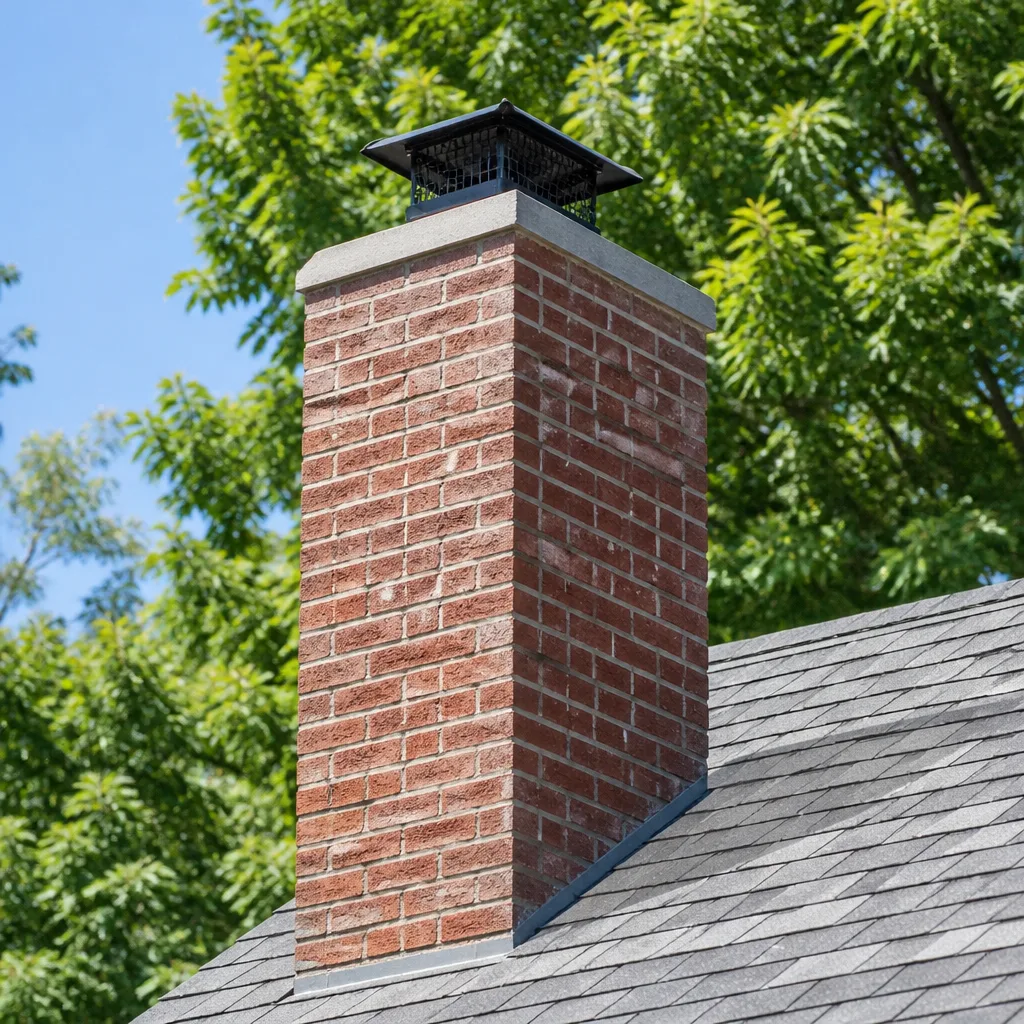 Masonry repair
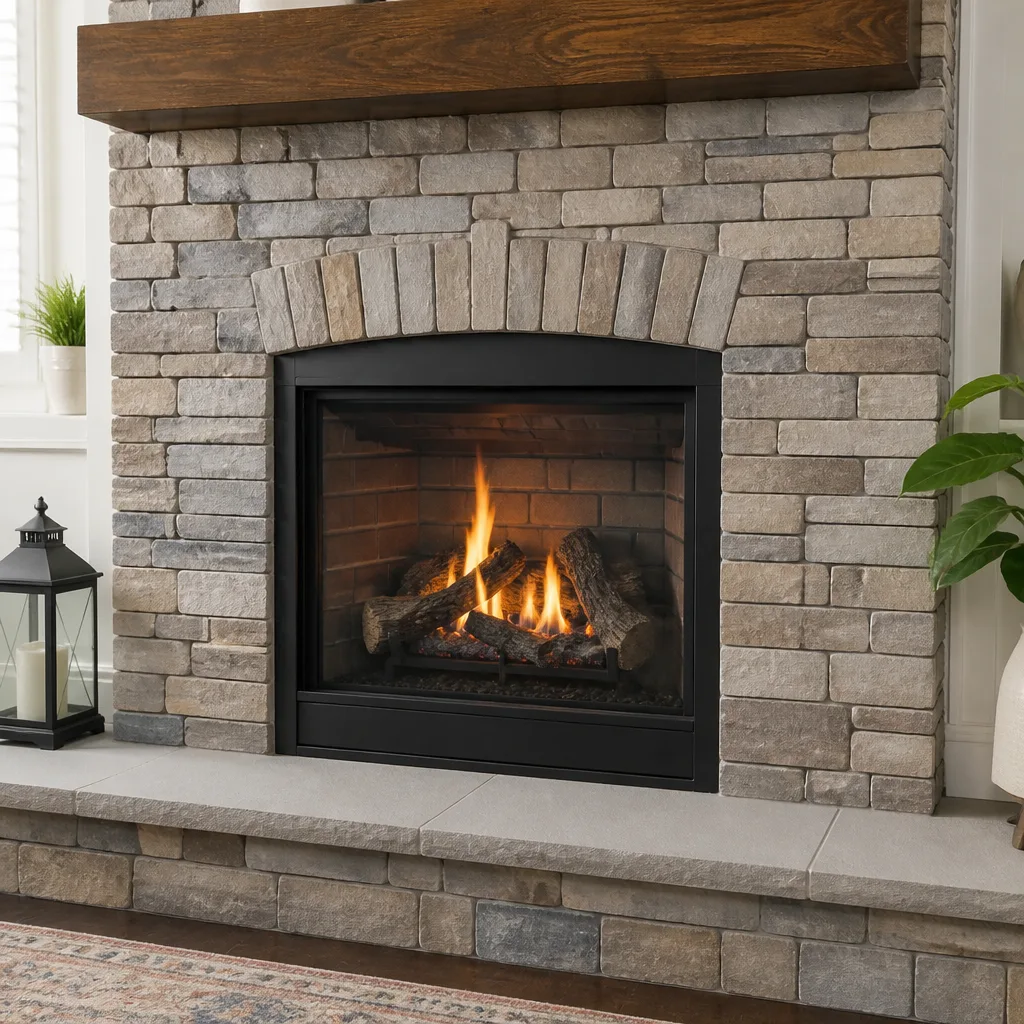 Gas fireplace service
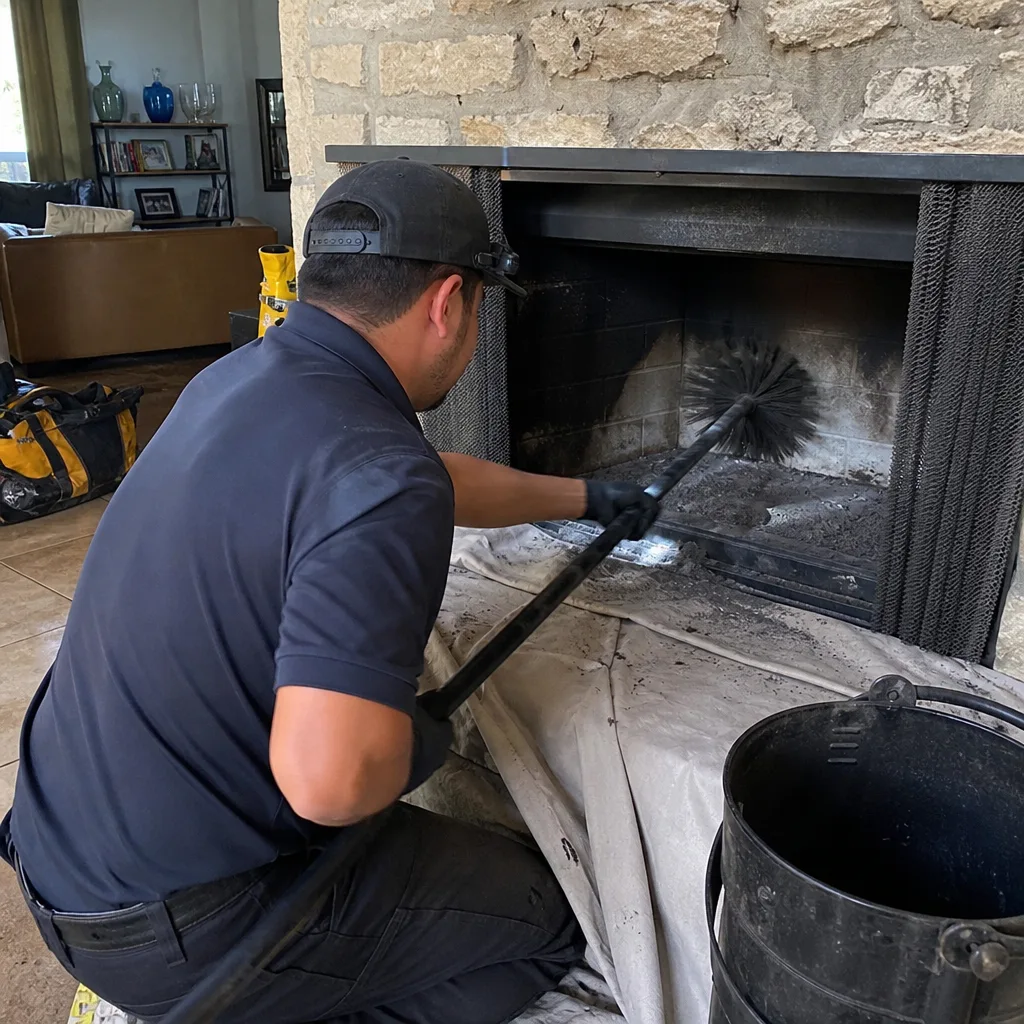
Level 1 sweep and inspection to the NFPA 211 annual standard - flue, crown, cap, and flashing checked and photographed
Chimney sweep logs do not sweep chimneys. They loosen some creosote - which then falls where a brush and vacuum still have to collect it.
Choosing the Right Chimney Cleaning Brand: A Buyer’s Guide for Richardson
Most repeat chimney repair calls we see around the DFW market don’t come from sloppy hands. They come from the wrong product specified for the flue. A liner that fits beautifully and looks clean at installation can still be the wrong material for a wood-burning fireplace in a 1980s Richardson ranch house, and two winters later the homeowner is paying twice. Richardson homeowners know how to research a contractor, but very few know to ask which liner system, which resurfacing product, and which cap brand the sweep actually installs. This guide changes that. You’ll learn what contractor-grade means in chimney work, how to verify it, and the one question that separates a specification-grade sweep from a generic one.
Quick Answer
The right chimney cleaning brand for a Richardson home is the one that specifies professional-grade product lines you can look up and verify – DuraFlex liners, HeatShield ceramic resurfacing, Gelco or Olympia caps and covers, and Famco flashing – not whatever is cheapest that week. Any sweep can clean a flue, but the brands behind the liner, the resurfacing, and the weatherproofing decide whether the work holds up for a decade or fails in two years. Ask which liner system they install and whether they can show you the product sheet before you book.
Styles & brands we work with
- Sweep & inspection
- Caps & crowns
- Flue relining
- Masonry repair
- Gas fireplace service
Table of Contents
- What “Contractor-Grade” Actually Means in Chimney Products
- DuraFlex Liner Systems vs. Imported Flexible Liner Sold Online
- HeatShield Ceramic Resurfacing: What It Does and How to Verify It
- Chimney Caps and Chase Covers: Why Brand Matters in the Hail Belt
- Copperfield and Famco: Dampers, Draft Systems, and Flashing
- The One Question That Separates Specification-Grade Sweeps
- A Step-by-Step Way to Verify Any Richardson Chimney Sweep
- Brand as Part of Full Chimney Service, Not a Badge
What “Contractor-Grade” Actually Means in Chimney Products
Contractor-grade is not a marketing label. In chimney work it means a product has been engineered, tested, and specified for a specific flue application – and that the installer is trained on that product line specifically. The opposite is what the trade calls “generic” or “open-market” material: flexible liner sold by the roll on auction sites and home improvement marketplaces, caps stamped from thin steel, and resurfacing compounds that harden instead of flex. Those products get installed because they’re cheap and available, not because they match the flue.
Chimney products are graded on three things a homeowner can actually check: material specification, application match, and installer authorization. Material specification covers the alloy or ceramic the product is made from and how it holds up to heat, creosote, and condensation. Application match means whether that specific product is engineered for a wood-burning flue, a gas appliance, a pellet stove, or an oil furnace – the wrong match is the single biggest reason repairs fail. Installer authorization means the manufacturer recognizes the sweep as trained on that system.
What each category covers
- Liner systems: the flexible or rigid pipe that carries exhaust up the flue. DuraFlex is the professional line specified for this job.
- Liner resurfacing: ceramic compounds that restore a damaged clay flue without full reconstruction. HeatShield is the industry’s leading system.
- Caps and chase covers: the top-of-chimney assembly that keeps water and animals out. Gelco and Olympia Chimney build purpose-made caps and covers.
- Flashing and venting: the metalwork at the roofline that keeps water from tracking in. Famco makes flashing and venting components.
- Dampers and accessories: Copperfield components are trusted by professional sweeps across the trade for the top-of-firebox hardware.
When a sweep tells you they use DuraFlex liners, HeatShield resurfacing, Gelco or Olympia caps, Famco flashing, and Copperfield dampers, they are telling you something specific: the material they install is the same material chimney professionals specify nationwide, not a cheaper substitute. That is the whole argument for specification-grade work in a Richardson home, and it is why we build our material list around those brands.
DuraFlex Liner Systems vs. Imported Flexible Liner Sold Online
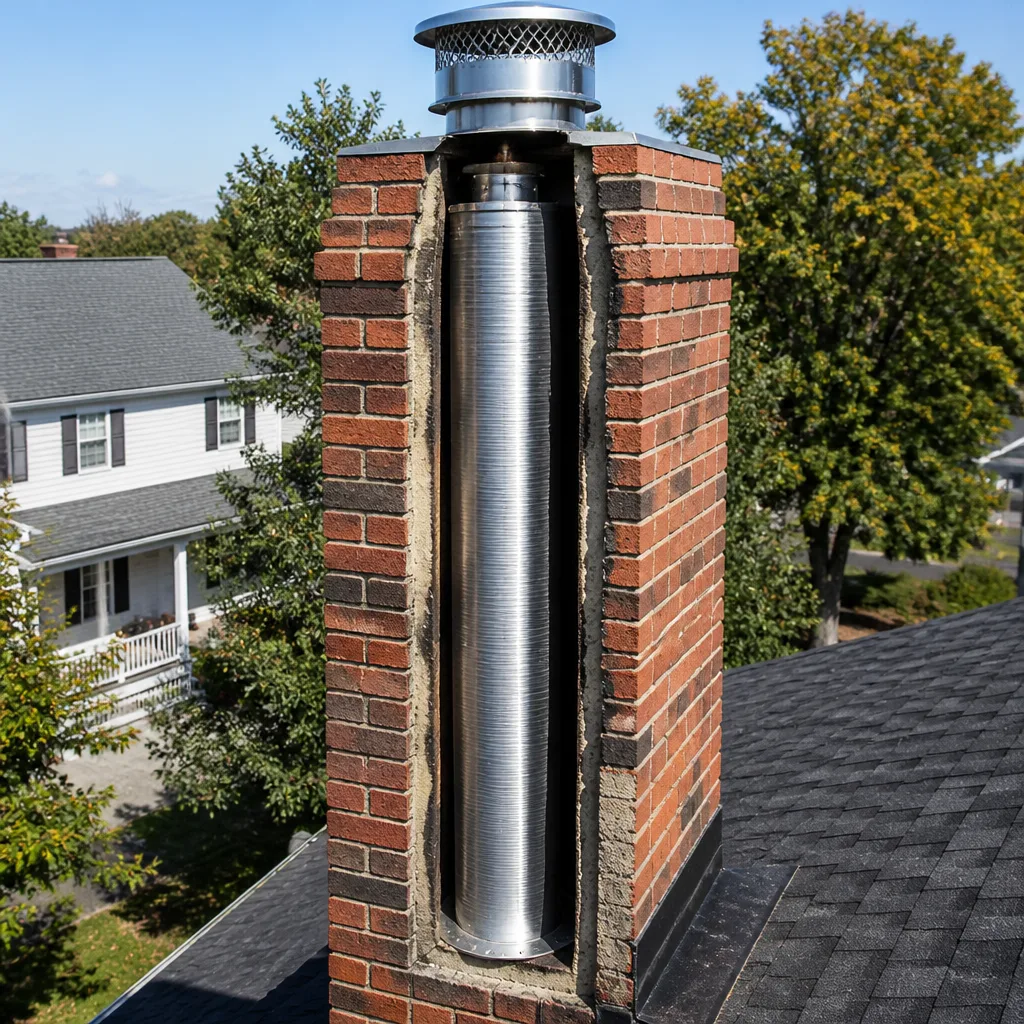
The single largest driver of repeat repair calls in the DFW market is a flexible liner that was specified for the price, not the flue. Imported flexible liner can look identical to professional-grade liner from the outside – same corrugation, same diameter, same shiny surface – but the material spec underneath is different, and the difference shows up in how the liner handles heat cycling and creosote contact over a five-to-ten-year horizon. DuraFlex is a professional liner system engineered for exactly the applications a Richardson home throws at it.
Here’s what actually separates them, in plain terms:
- Alloy spec. Professional-grade liner is made from a specified alloy for a specified application. Imported liner often uses a thinner alloy that meets a lower grade and won’t hold the same ratings.
- Application engineering. DuraFlex liners are engineered for wood, gas, and oil applications, and each one has a spec sheet that says so. Generic liner is sold as a one-size “fits most” product.
- Installer authorization. DuraFlex installers are recognized by the manufacturer. Generic liner is sold to anyone with a credit card.
- Documentation. Professional liner comes with a product sheet you can hand to a home inspector, a realtor, or your insurer. Generic liner often comes with a shipping label.
- Warranty structure. A professional liner system carries a manufacturer warranty tied to the installation. Generic liner carries whatever the marketplace seller wants to honor.
When relining is the right call
A liner is not always what your chimney needs. In many Richardson homes, the clay flue tiles are still sound, and the honest answer is that a sweep and inspection are all the chimney requires. Relining is the right call when the existing flue has cracked or spalled tiles, has separated joints, has an improper size for the appliance, or has no liner at all in an older home. DuraFlex flexible liner is the preferred solution for relining aged or damaged flues without full chimney reconstruction, and it is what we install when the camera inspection shows the flue actually needs it. We do not recommend a liner when the tiles are healthy – that would not be honest work.
How to ask about liner specs
- Ask which liner brand and system they install for a wood-burning flue.
- Ask for the product sheet for that specific liner.
- Ask whether they are authorized by that manufacturer to install it.
- Ask whether the estimate lists the liner brand by name, or just says “stainless liner”.
- Ask whether the liner warranty is a manufacturer warranty or a handshake warranty.
If a sweep cannot answer all five, that is your answer. A specification-grade sweep can. When you’re ready to schedule the sweep that starts the conversation, our chimney sweep page lays out what happens on the visit and what you take away from it.
HeatShield Ceramic Resurfacing: What It Does and How to Verify It
HeatShield is the industry’s leading chimney resurfacing system, and it solves a specific problem: a clay flue with cracked or spalled tiles but a structurally sound chimney. Instead of tearing out the existing flue and rebuilding, HeatShield resurfaces the interior with a ceramic compound engineered to restore the flue to a safe, smooth, sealed condition. It is a repair-grade product – most generalist handymen cannot access it or install it correctly – and that is exactly why you want to see it specified by name.
What HeatShield is engineered to do:
- Seal cracks and spalling in clay flue tiles without full flue reconstruction.
- Restore a smooth interior surface that reduces creosote accumulation and improves draft.
- Provide a heat-resistant barrier that handles the repeated thermal cycling of a wood-burning appliance.
- Extend the service life of an existing chimney when the structure itself is sound.
What HeatShield is not for: it is not a substitute for relining a flue that is completely broken down, and it is not a fix for a chimney that needs structural masonry repair. Qualified installers assess the flue with a camera first and specify HeatShield only when the tiles and joints are the actual problem. That is the same discipline we apply in Richardson: nothing gets recommended unless the camera shows it.
How to verify a sweep is using the genuine HeatShield system
- Ask the sweep to name the resurfacing system they use – “ceramic compound” is not an answer, “HeatShield” is.
- Ask for the HeatShield product sheet and confirm it matches the application (wood-burning, gas, or oil).
- Ask whether the sweep is a trained HeatShield installer, or whether they are subcontracting the resurfacing out.
- Ask for the before-and-after camera footage from a previous job – the genuine system shows a continuous, smooth ceramic surface, not a patchy one.
- Ask whether the estimate lists HeatShield by name and the specific application.
HeatShield is one of the products that separates a full-service chimney company from a sweep-only operation. If your Richardson home needs resurfacing rather than relining, we can walk you through which repair makes sense for your flue – the camera inspection and photo report are how we decide. You can see the full range of what we handle on our chimney repair page.
Chimney Caps and Chase Covers: Why Brand Matters in the Hail Belt
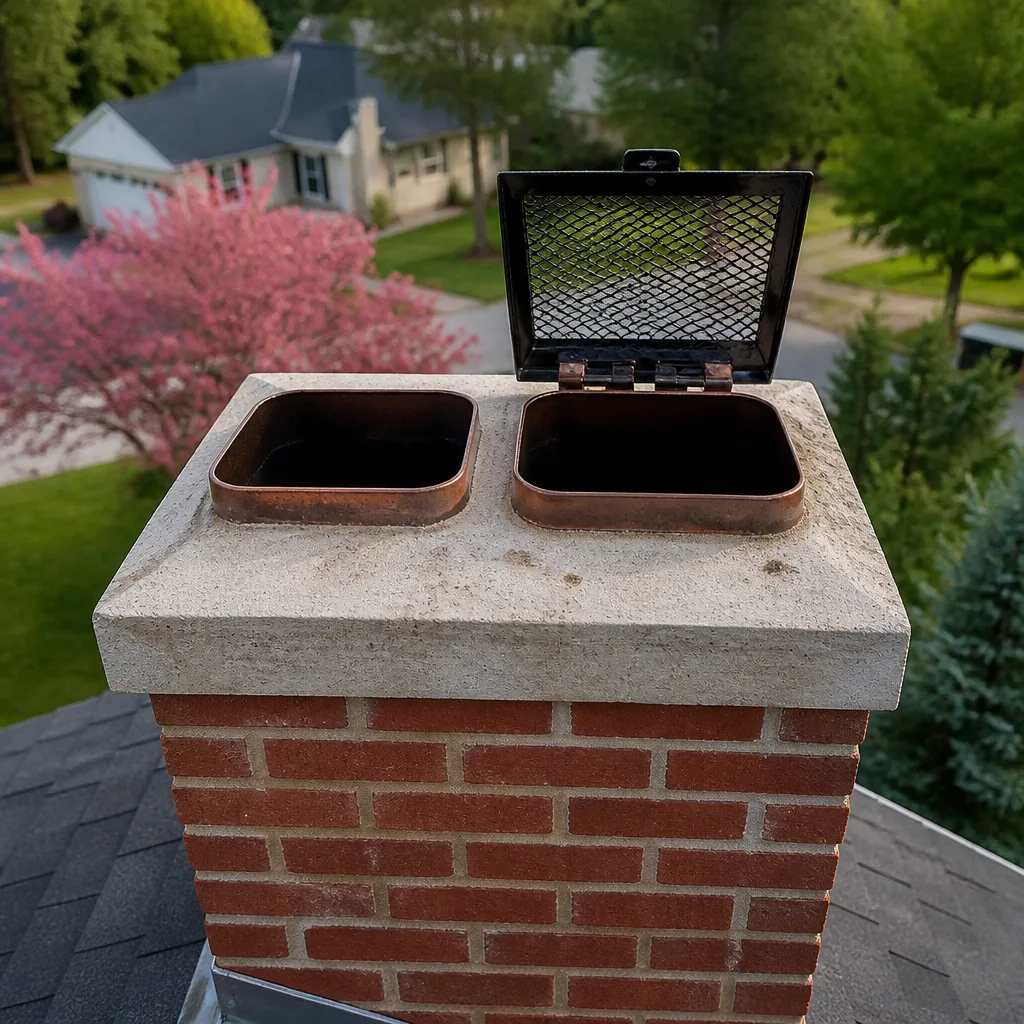
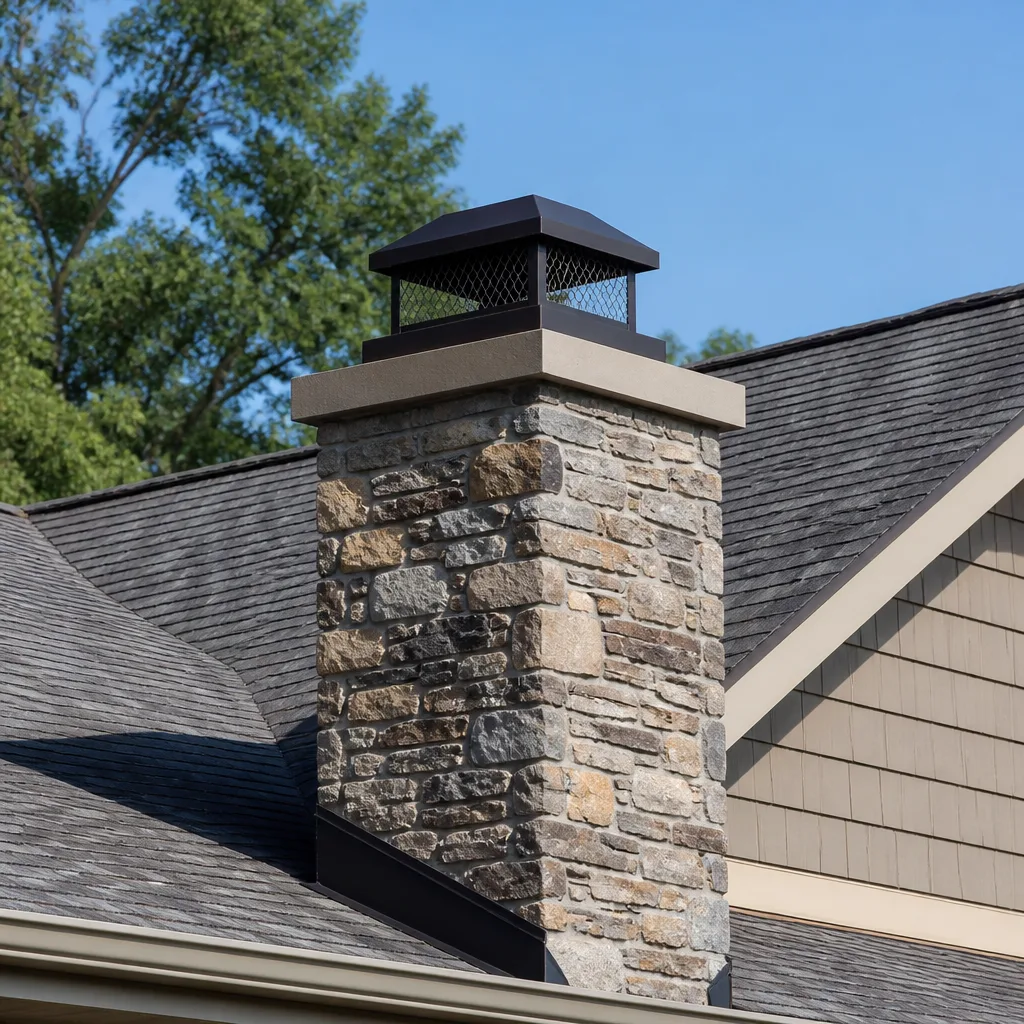
A chimney cap looks like a simple piece of metal. It is not. On a Richardson roof, a cap has to survive hail, wind-driven rain, and DFW’s summer heat cycling without rusting through, warping away from the flue, or letting water track back in. That is why professional sweeps specify purpose-built caps from brands like Gelco and Olympia Chimney rather than generic steel caps from a home improvement store. The brand matters because the product is engineered for the chimney, not adapted to it.
North Texas sits in the heart of hail country. Any roof component in Richardson needs to hold up to hail events that thin, generic steel cannot survive – a stamped generic cap dents, the seams open, and the cap that was supposed to keep water out becomes the source of the leak. Gelco and Olympia caps are built from heavier-gauge material with purpose-designed fastening and drainage details. The warranty structure on those products reflects that difference, and so does the service life.
What to look for in a Richardson chimney cap:
- Material gauge and coating. Purpose-built caps use heavier steel or copper, with a coating engineered for exterior exposure. Generic caps use whatever steel is cheapest.
- Fastening to the flue. A cap must be anchored to the flue correctly, not set on top with adhesive. Gelco and Olympia components are designed for proper anchoring.
- Spark arrestor mesh. Wood-burning flues need the mesh panel; the mesh has to be the right grade for heat and hail, not thin chicken wire.
- Drainage and drip edge. The cap has to shed water away from the flue, not channel it in. Purpose-built caps have this detail engineered in.
- Warranty and product sheet. You should be able to look up the cap brand and see the warranty in writing.
When we quote a cap for a Richardson home, the estimate names the brand – Gelco or Olympia Chimney – and the product sheet comes with the quote. That’s how you can tell a cap that will hold up through ten hail seasons from a cap that won’t.
Copperfield and Famco: Dampers, Draft Systems, and Flashing
The parts of a chimney you don’t see – the damper at the top of the firebox, the flashing at the roofline – determine whether the whole system works or fights itself. Copperfield components are trusted by professional sweeps across the trade for the dampers and top-sealing hardware that control draft and keep heated air from escaping up the flue when the fireplace is idle. Famco makes the flashing and venting components that keep water from tracking in at the roofline, which is the detail most generic sweeps skip when they install a cap and call it done.
Why these brands specifically, in a Richardson home:
- Copperfield dampers are engineered for the wood-burning firebox and drafted to close tightly when the fireplace is idle. A top-sealing damper suited to the flue saves conditioned air in a Texas summer and drafts correctly in winter.
- Famco flashing is purpose-built for the roofline where the chimney meets the roof. That junction is where most water intrusion starts, and generic flashing adapted from another application is where most of those leaks actually come from.
- Famco venting components keep the whole assembly code-compliant, which matters when a home is sold or insured.
How to ask a sweep about sourcing
- Ask which brand of damper they install, and whether it is a top-sealing or throat damper – both are legitimate, but the answer tells you they know the difference.
- Ask which brand of flashing they use when they install or replace a cap, and whether it is purpose-built for the chimney or adapted from another application.
- Ask whether the flashing and the cap are the same brand family, or whether they are pieced together from whatever was on hand.
- Ask whether the venting components are code-compliant, and whether the warranty covers them by name.
A specification-grade sweep can answer all four without looking anything up. If the answer is “we just use what’s on the truck”, that is not a sourcing answer. On a Richardson roof, the difference between purpose-built flashing and adapted flashing is the difference between a weatherproof chimney and a recurring leak you chase for years.
The One Question That Separates Specification-Grade Sweeps
Here it is, and it’s the question you should ask before you book any chimney sweep in Richardson:
“What brand of liner system do you install, and can you show me the product sheet?”
That single question does more work than an hour of conversation, because it separates two kinds of sweep immediately. A specification-grade sweep names the brand – DuraFlex, HeatShield, Gelco, Olympia, Famco, Copperfield – and can hand you the product sheet before you commit. A generic sweep hedges. They say “we use a high-quality liner” or “whatever the manufacturer recommends”. That hedge is your signal. Either they don’t know what they install, or they don’t want you to know.
Why the product sheet matters more than the brand name alone: the sheet shows the material spec, the application match, and the manufacturer’s installation requirements. If the sweep can’t produce one, the liner they’re installing may not be rated for your flue application at all – and the failure won’t show up until the second or third winter. In a Richardson home with a wood-burning fireplace, that’s a repair bill no homeowner wants to pay twice.
The three follow-up questions a good sweep will welcome
- “Is that liner system authorized for my specific flue and appliance, or is it a general-purpose liner?”
- “Are you authorized by the manufacturer to install it, or is the install subcontracted?”
- “Does the written estimate name the brand and the system, or just say ‘liner’?”
If you want the sweep visit itself to include this level of documentation, the team behind our Ridgeway Chimney Sweep work starts every appointment with a camera inspection and a photo report, and the estimate names the brands by name. That is the specification standard we hold ourselves to, and the standard you should hold any sweep to in Richardson.
A Step-by-Step Way to Verify Any Richardson Chimney Sweep
Verification is not a judgment call. It is a checklist. The sweeps who pass it are the ones whose repair work holds up in a Richardson home, and the ones who don’t are the ones behind the repeat repair calls. Here is the process, in order:
- Ask for the three services. A full-service chimney company offers sweep, inspection, and repair. If you need to hire a separate contractor for a cap, a repair, and an inspection, coordination is where the mistakes happen.
- Ask which brands they specify for each product category. Liner, resurfacing, cap, flashing, damper. Write the answers down.
- Ask for the product sheets. Not a photo of a roll of liner. The actual manufacturer product sheet for the specific system they install.
- Ask whether they’re authorized by the manufacturer. DuraFlex, HeatShield, and the other professional lines recognize trained installers. That recognition matters when something goes wrong.
- Ask for the camera inspection before any repair is recommended. A sweep who recommends a liner without showing you the footage is guessing. A camera and photo report are how you see what they see.
- Ask for the written estimate, and check whether it names the brand by name. “Stainless liner” is not a brand. “DuraFlex [specific system]” is.
- Ask what the estimate doesn’t include. A straight answer here tells you more than any promise. The written estimate sets the final price, so the scope needs to be clear before you book.
That’s seven questions, and none of them are adversarial. They are the questions a specification-grade sweep expects. If any Richardson sweep resists them, you have your answer before you spend a dollar.
Brand as Part of Full Chimney Service, Not a Badge
A brand name on a quote is not the goal. The goal is a chimney that works – safely, for years, without a repeat repair call three winters from now. That’s why brand specifies into the whole service. A sweep-only visit cleans the flue; a specification-grade visit cleans it, inspects it with a camera, documents what the camera shows, and only recommends brand-named repair work when the footage supports it. In a Richardson home with a wood-burning fireplace, that is the full lifecycle of the chimney covered under one company.
That is how we structure our work. We sweep, we inspect, we repair, and we specify DuraFlex liners, HeatShield resurfacing, Gelco and Olympia caps, Famco flashing, and Copperfield dampers because those are the product lines professionals specify. We tell you what your chimney actually needs, and we tell you what can safely wait. The camera evidence is yours to look at, and the written estimate names every product before you book. Nothing is recommended without that evidence, and nothing is charged before the estimate is agreed.
If a chimney is in reasonable shape, we will say so. If a cap is fine and a liner is years away, we will say that. If a repair is needed, the estimate is itemized and the products are named. That’s the standard we hold to, and it’s the standard we think every homeowner in Richardson should hold a sweep to.
Common Mistakes to Avoid
- Asking only for a price, not a product. A cheap quote for “a liner” tells you nothing about what will be installed. Ask for the brand and the system before you compare prices – the same dollar amount buys very different material.
- Assuming the liner on the truck is what got specified. A sweep can talk DuraFlex and install generic liner if you don’t ask to see the product sheet. Write the brand name into the work order.
- Skipping the camera inspection. In a Richardson home, the camera is what separates a recommendation from a guess. If a sweep recommends a liner or resurfacing without footage you can see, ask to see it before you agree.
- Treating a chimney cap as a hardware-store item. In the DFW hail belt, a generic stamped cap dents and leaks. Gelco and Olympia components are built for this climate and carry the product documentation to match.
- Hiring sweep-only for a full-service job. If you need a sweep, an inspection, and a repair, coordinating three separate contractors is where the brand standard gets lost. A company that offers all three under one roof can specify the products consistently.
- Using HeatShield interchangeably with relining. HeatShield restores a structurally sound flue with cracked tiles. Relining is for a flue that is broken down. The right answer depends on what the camera shows, not on which service is more profitable to sell.
- Ignoring flashing when a cap is installed. A new cap installed on failing flashing will leak. Ask whether Famco flashing is part of the cap job, or whether the roofline junction gets left alone.
See the difference
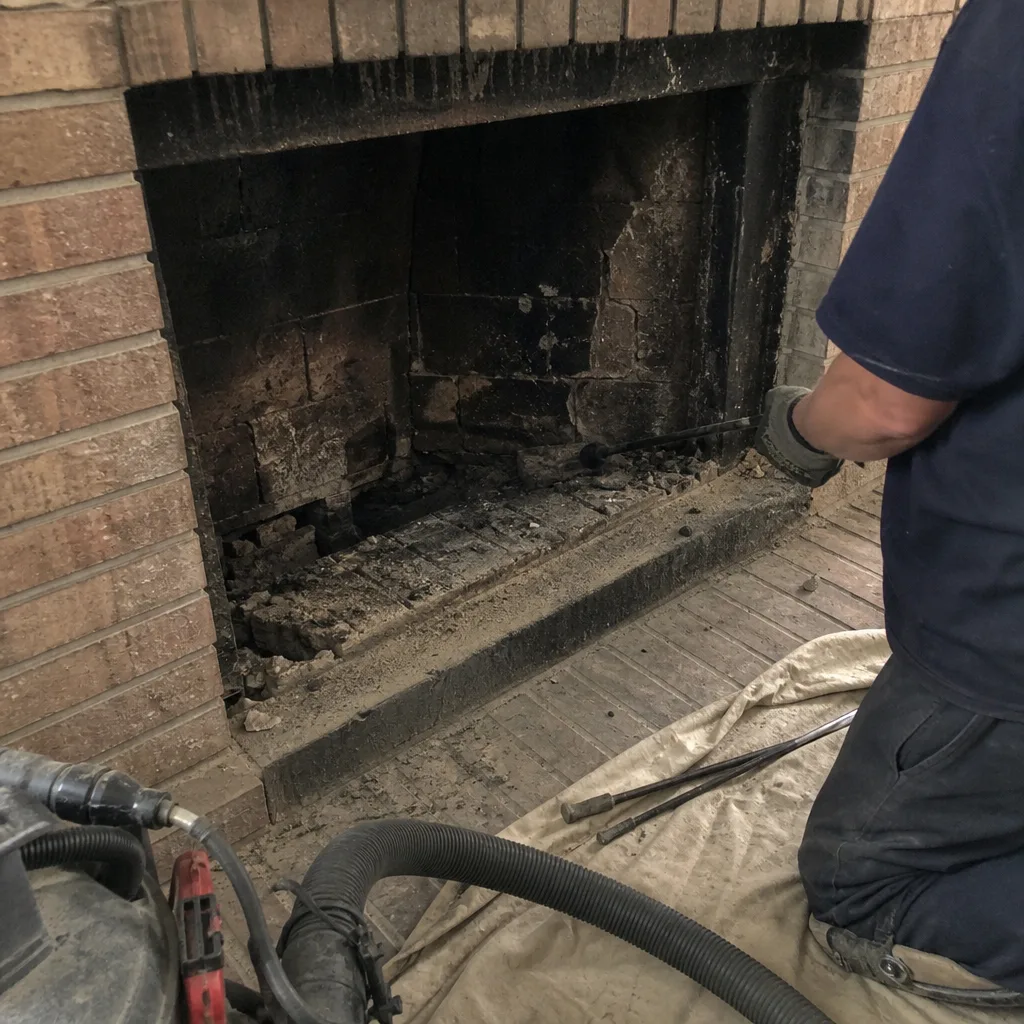 Before
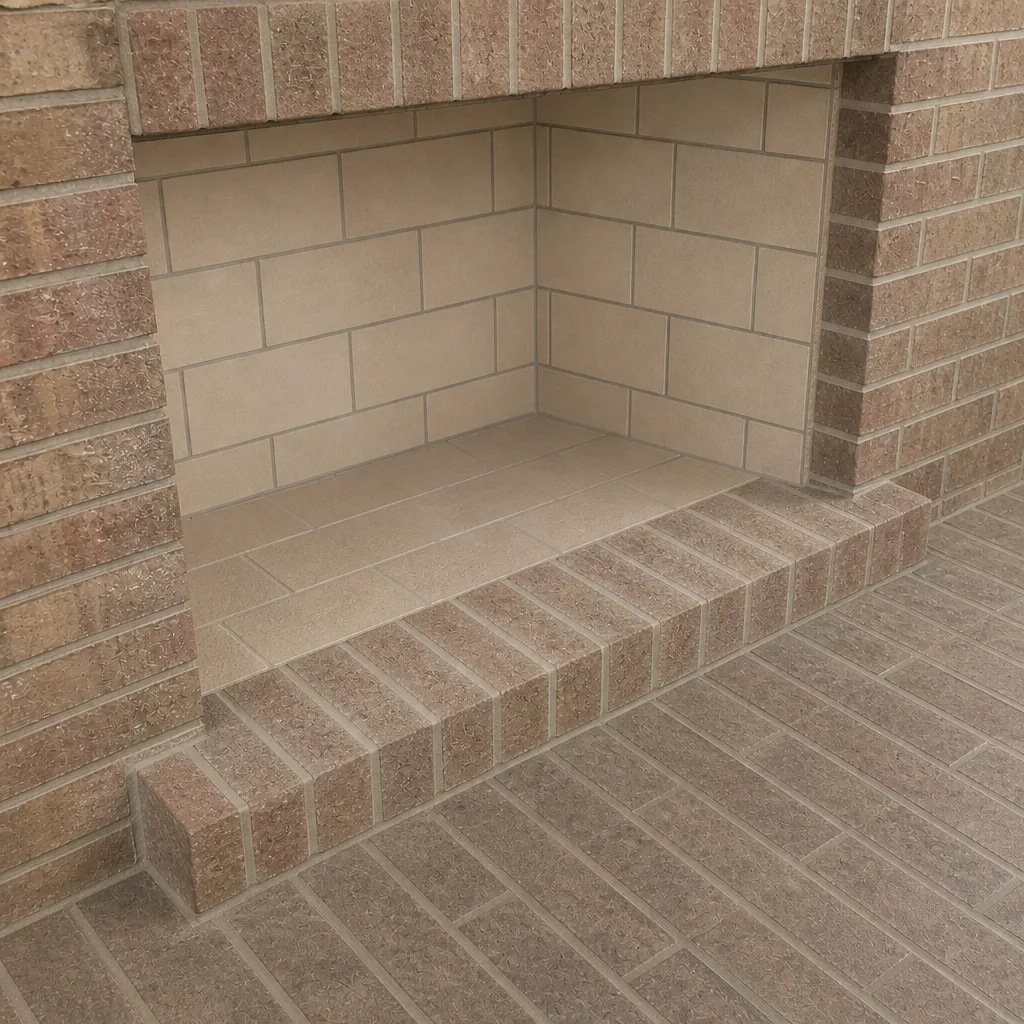 After
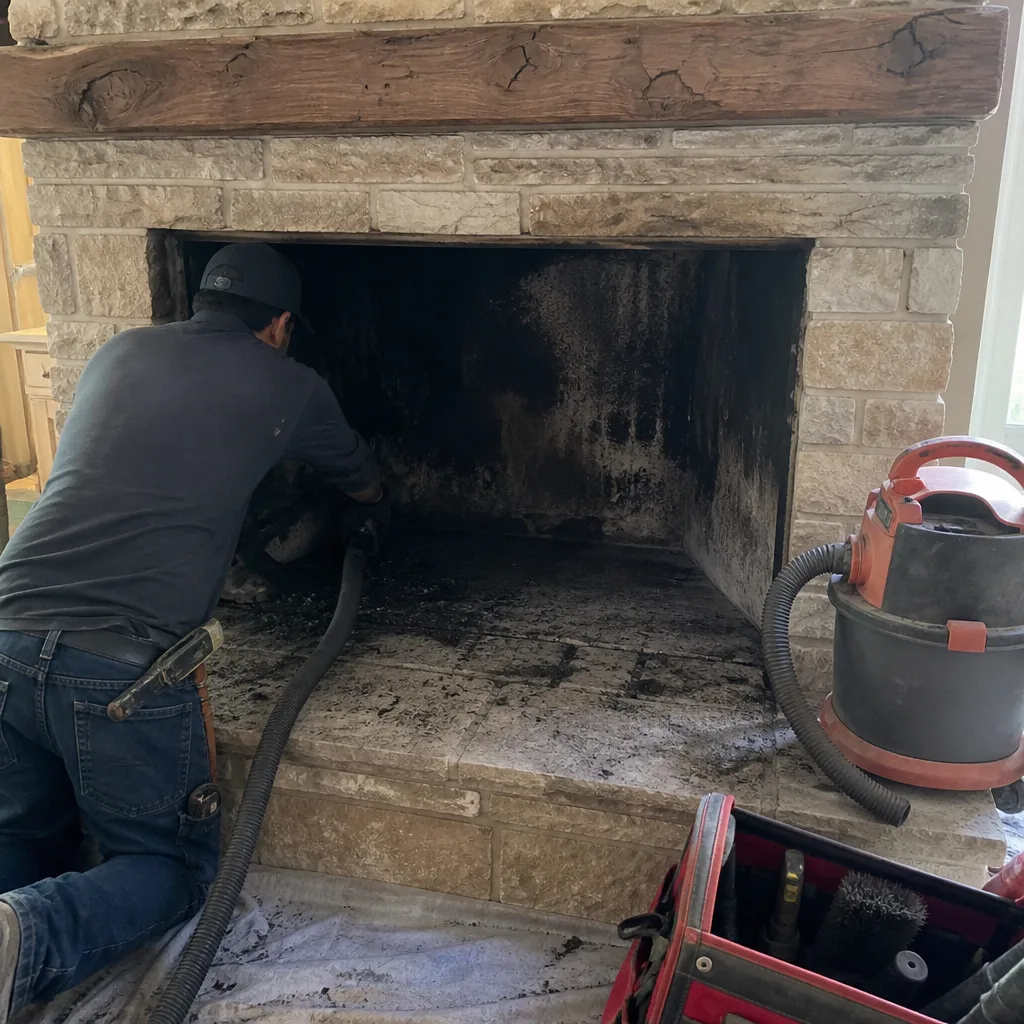 Before
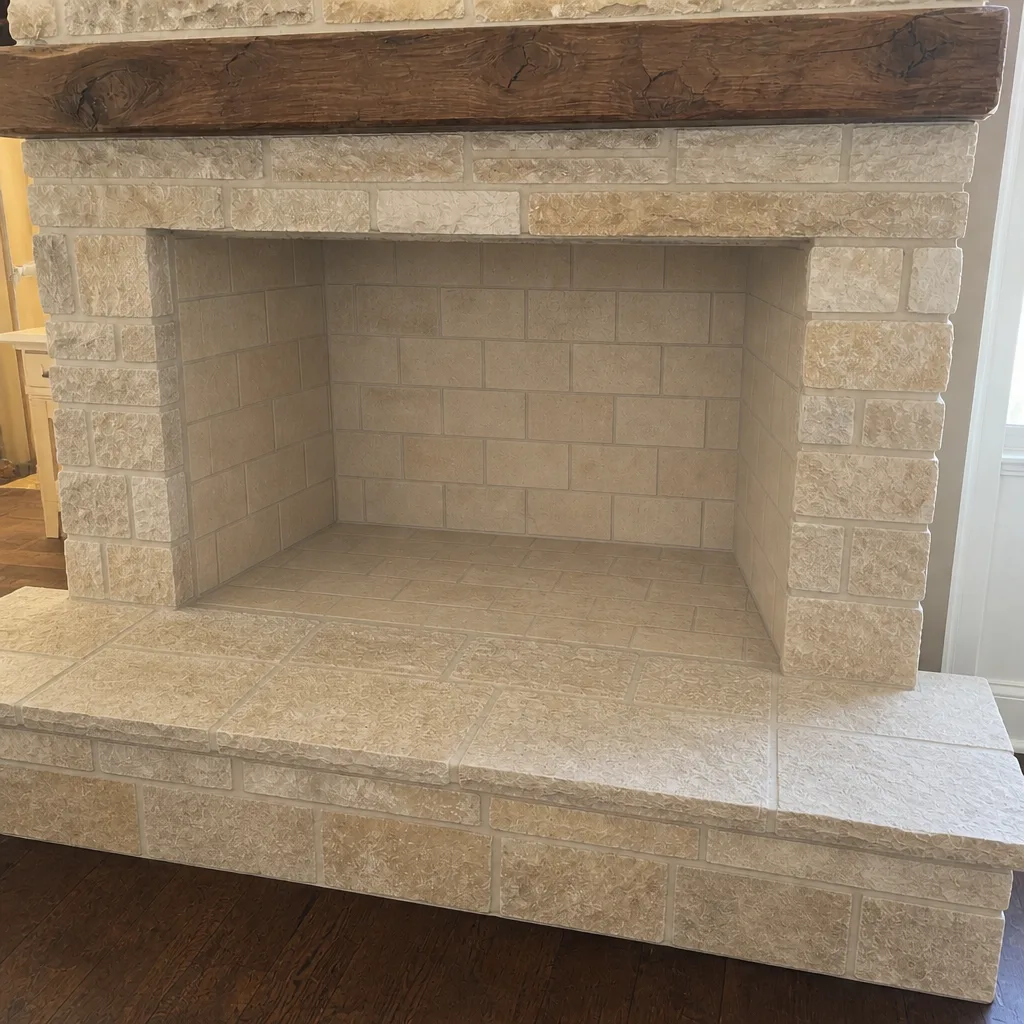 After
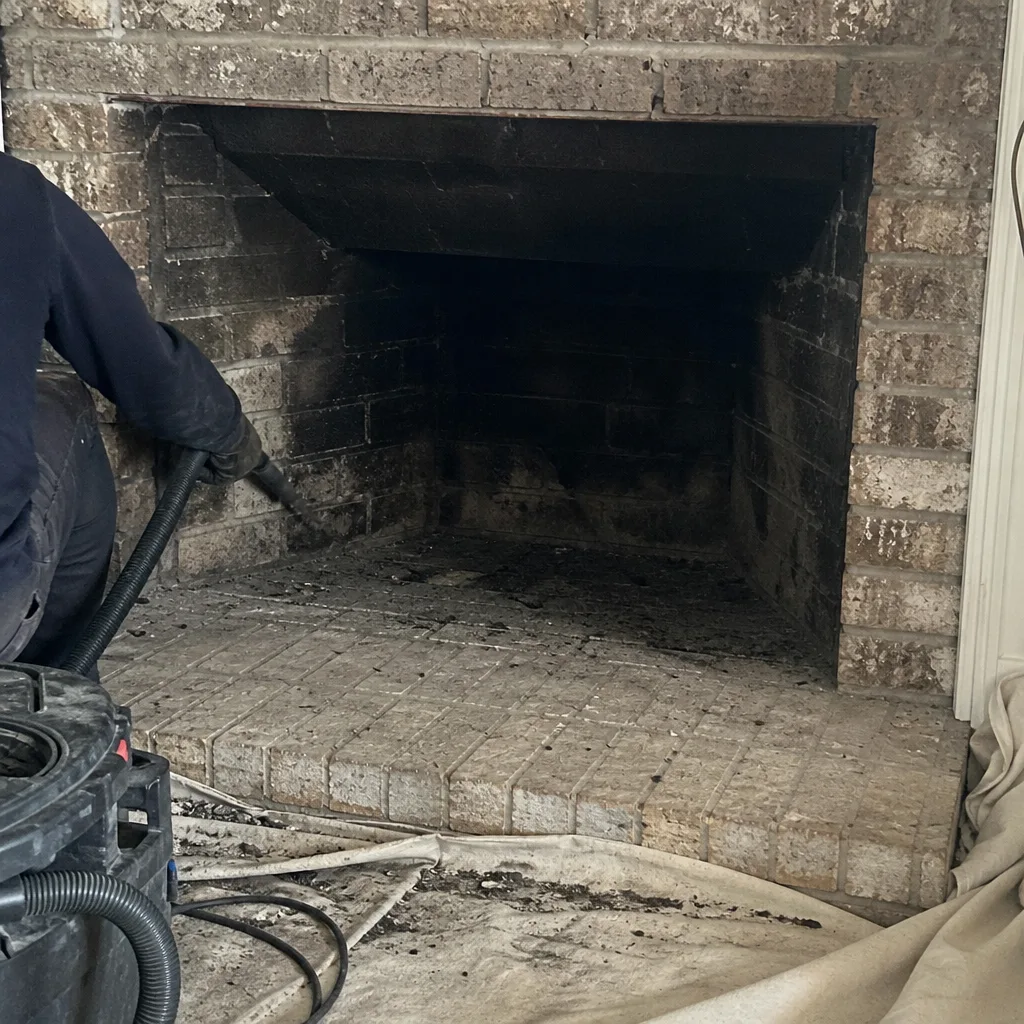 Before
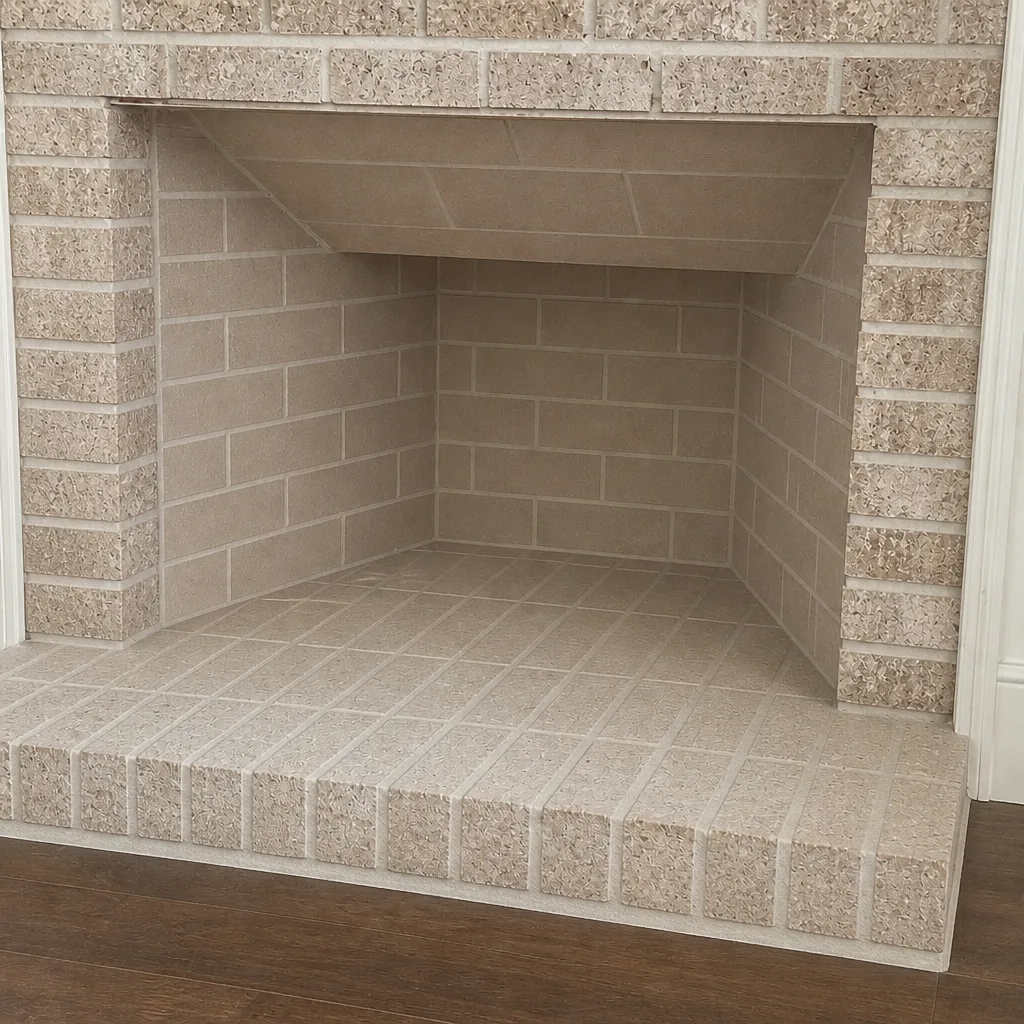 After
When to Call a Professional
Call a professional sweep when you are buying or selling a Richardson home and the chimney has no documented inspection, when you have never had the flue inspected and you burn wood regularly, when you see creosote buildup, cracked flue tiles, or rust on the damper or firebox, when water is coming in around the chimney, or when a previous repair used a product you can’t identify. Call before the next burning season rather than after, because scheduling a sweep is what makes the discovery possible in good time – not an emergency. Our technicians have up to 15 years of experience, and we work with the specification-grade brands described in this guide. Ridgeway Chimney Sweep offers free estimates in Richardson – call (888) 873-4715.
Frequently Asked Questions
The brand that matters is the one behind the products, not the name on the truck. For a Richardson home, look for a sweep who specifies DuraFlex liner systems, HeatShield ceramic resurfacing, Gelco or Olympia caps, Famco flashing, and Copperfield dampers. Any sweep can clean a flue, but the parts that hold up for a decade are the parts specified by brand. Call (888) 873-4715 for an exact quote – estimates are free.
Chimney sweep pricing in Richardson is set per job by a written estimate, so we don’t quote a number before we’ve seen the flue. The estimate covers the sweep, the camera inspection, and the photo report, and the written estimate sets the final price. Call (888) 873-4715 for an exact quote – estimates are free.
Generic liner is the single biggest driver of repeat repair calls in the DFW market, because the material spec often does not match the flue application. DuraFlex liner systems are engineered and specified for the specific appliance and flue they’re installed in, and the product sheet documents that match. Whether you need a liner at all depends on what the camera inspection shows. Call (888) 873-4715 and we’ll walk you through what your flue actually needs.
HeatShield is the industry’s leading ceramic resurfacing system, and it is not the same as relining. HeatShield restores a structurally sound clay flue that has cracked or spalled tiles, while a liner replaces the flue with a new pipe. The right choice depends on the camera footage, and we recommend HeatShield only when the tiles are the actual problem. Call (888) 873-4715 for a free estimate on a Richardson chimney.
Richardson sits in the heart of the DFW hail belt, and a generic stamped-steel cap dents, opens at the seams, and turns into a leak source. Gelco and Olympia Chimney caps are purpose-built for chimney weatherproofing, with heavier-gauge material and a warranty structure to match. Call (888) 873-4715 if you want a cap specified by brand instead of whatever was on the shelf.
Ask one question first: “What brand of liner system do you install, and can you show me the product sheet?” A specification-grade sweep names the brand and hands you the sheet. A generic sweep hedges. Follow up with which brands they use for caps, flashing, and dampers, and whether the camera inspection is included. Call (888) 873-4715 for a free estimate in Richardson.
The Bottom Line
The company name on the truck is the smallest part of the decision. The brand specified for the liner, the resurfacing, the cap, the flashing, and the damper is what decides whether the work in a Richardson home lasts a decade or fails in two years. Ask for the product sheet. Ask which system is engineered for your flue. Ask for the camera footage before any repair is recommended, and ask whether the written estimate names every product. A sweep who welcomes those questions is a specification-grade sweep, and one who hedges is telling you everything. That’s the bar in Richardson, and it is a reasonable one.
Call (888) 873-4715 today. We answer 24/7. Fast dispatch from 7am to 7pm, Sunday through Friday. Estimates are free, the written estimate sets the final price, and nothing is recommended without camera evidence you can see for yourself.
Written by the team at Ridgeway Chimney Sweep.