
Last updated November 16, 2026
 Sweep & inspection
 Caps & crowns
 Flue relining
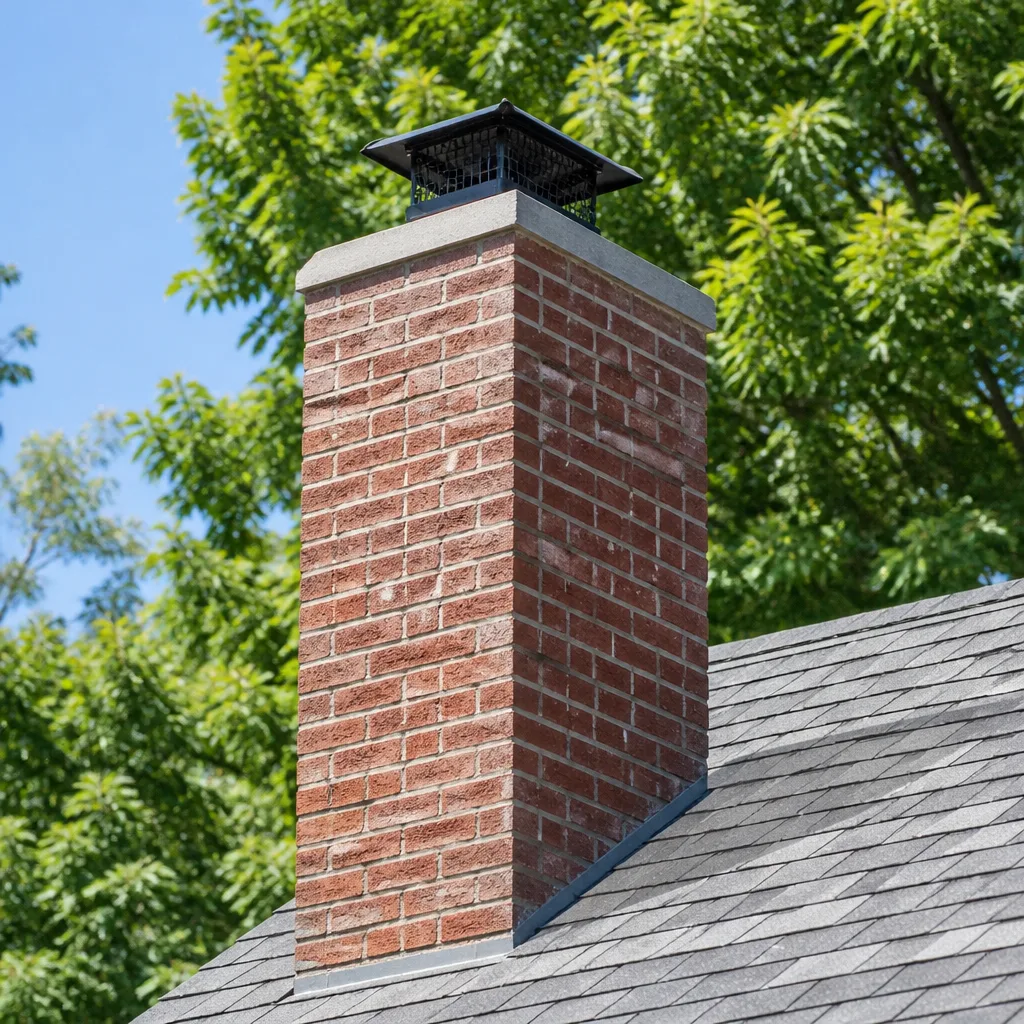 Masonry repair
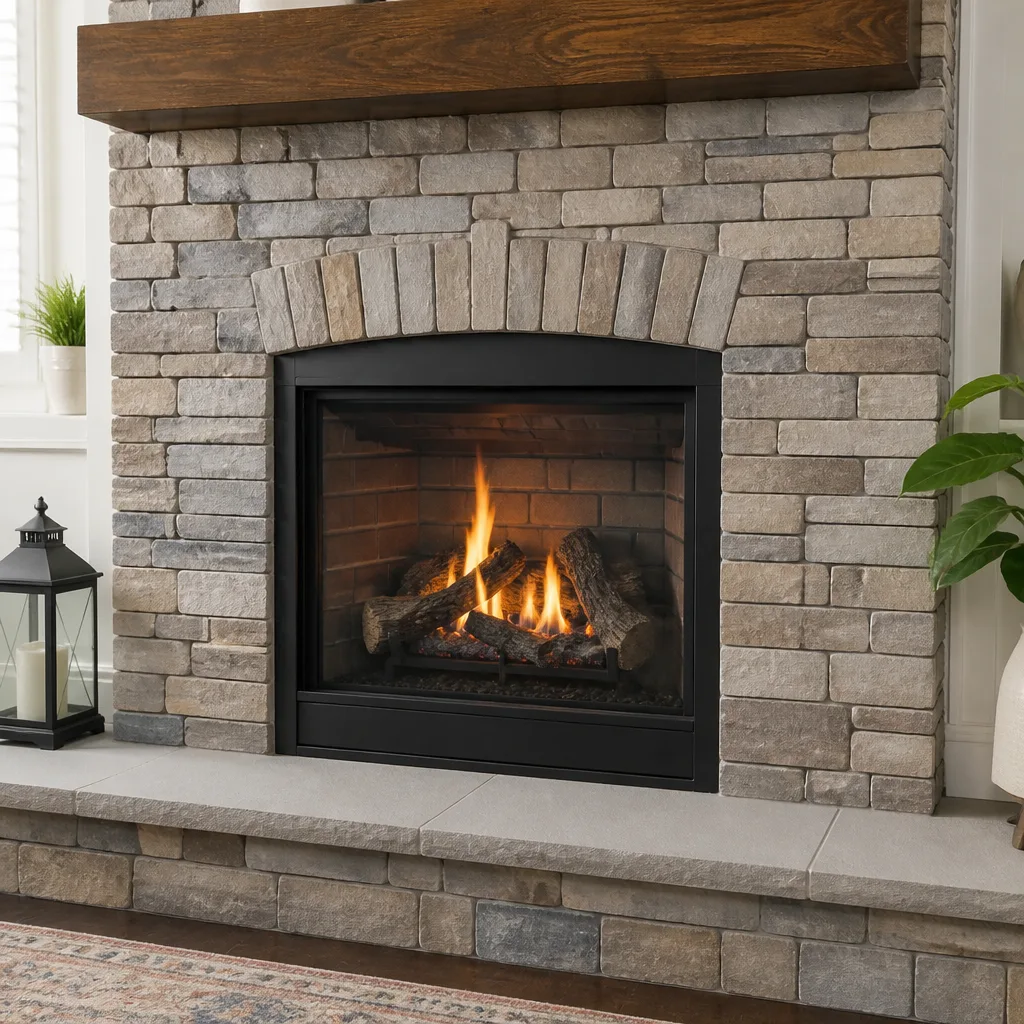 Gas fireplace service
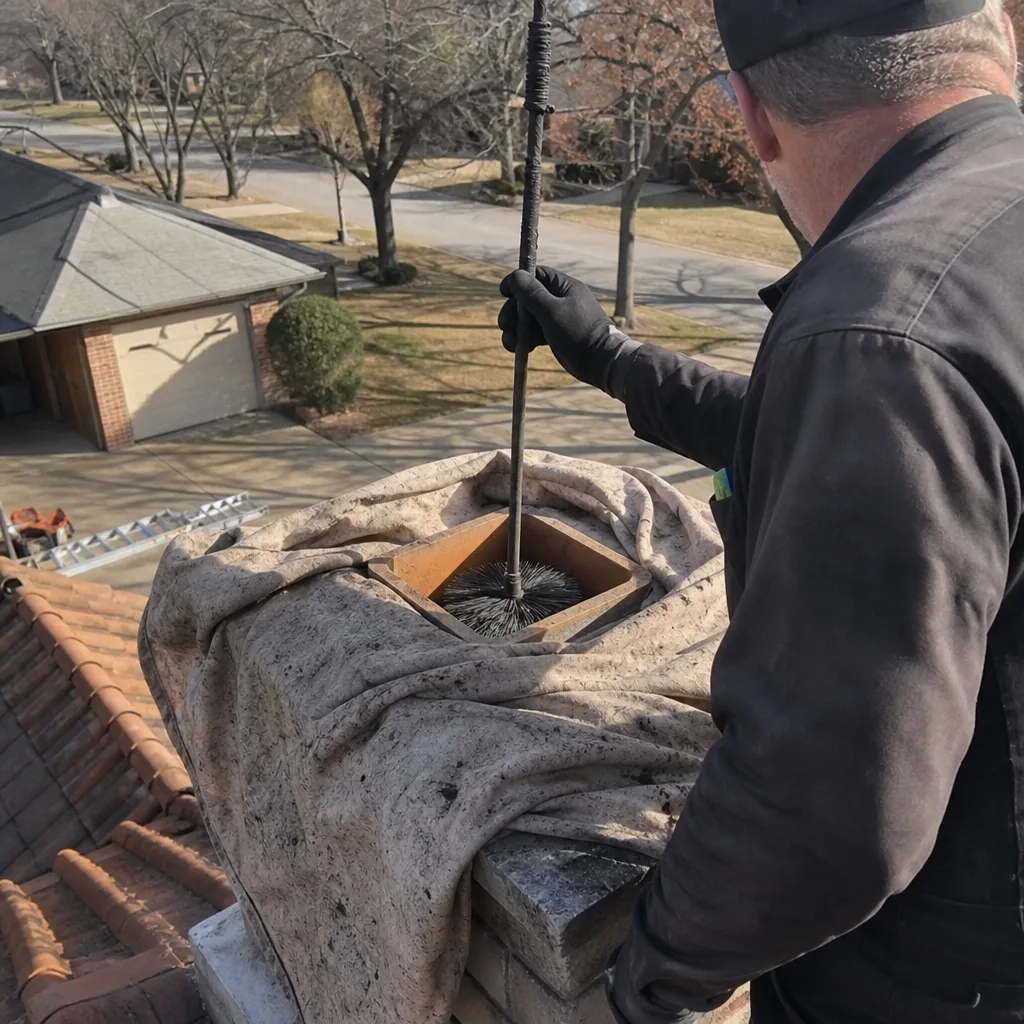
Level 1 sweep and inspection to the NFPA 211 annual standard - flue, crown, cap, and flashing checked and photographed
Chimney sweep logs do not sweep chimneys. They loosen some creosote - which then falls where a brush and vacuum still have to collect it.
Chimney Sweep Maintenance Schedule: What to Do and When
Scheduling your chimney sweep in October, the most popular month of the year, means you’re last in line and first to find out the repair can’t be completed before the cold arrives. Most homeowners in North Texas have been told the same thing: clean the chimney once a year, ideally in fall. That advice was written for New England, not for Richardson. Our climate runs on a different clock. Winters arrive late and mild. Summer humidity sits heavy for months. Storm seasons bracket both ends of the year. A maintenance calendar built for this climate looks different, and this guide walks through it month by month so you know what to do and when to do it.
Quick Answer
In Richardson, the best time to schedule a chimney inspection is late July or August, before the fall rush and after storm season has passed. Most wood-burning fireplaces need a sweep every one to two years depending on how much you burn and what you burn, and an annual inspection is the baseline for every chimney regardless of use. Maintenance doesn’t stop in summer: dampers, firebox joints, and exterior waterproofing all need attention during the off-season.
Styles & brands we work with
- Sweep & inspection
- Caps & crowns
- Flue relining
- Masonry repair
- Gas fireplace service
Table of Contents
- Why Standard Fall Sweep Advice Doesn’t Fit Richardson
- The Richardson Month-by-Month Chimney Calendar
- What to Do After a Hail Event, Before the Next Burn Season
- Annual vs. Two-Year Sweeps: What Actually Decides It
- What Off-Season Chimney Maintenance Really Covers
- How to Keep a Chimney Log That Saves You Money Later
- When a Sweep Becomes an Inspection
- Common Mistakes to Avoid
Why Standard Fall Sweep Advice Doesn’t Fit Richardson
October is the busiest month in the chimney trade, and for good reason. Homeowners feel the first cool mornings, remember the fireplace, and call. But in Richardson, the first genuinely cold stretch usually lands later than people expect, and the calendar consequences of waiting until then are real: appointments fill, repairs discovered during the sweep can’t always be scheduled before the first burn, and the whole thing happens under time pressure.
The other problem with generic advice is that it ignores what this climate does to a chimney. Richardson sits in a part of North Texas where the burn season is short but the exposure season is long. That means two things for chimney care:
- Summer humidity does most of the slow damage. Metal components inside the flue, damper hinges, and firebox mortar joints all sit through months of warm, humid air. That’s when rust starts and when small cracks in mortar widen.
- Storm season brackets the year. Hail and high wind events around Collin County tend to cluster in spring and again in fall. Each one is a chance to lose a cap, dent a chase cover, or open a flashing seam.
A calendar built for a climate with hard freezes and long winters assumes the enemy is cold. Here, the enemy is moisture, wind, and hail, and the window for dealing with all three is longer and more forgiving than most people realize. That window is exactly why the off-season matters so much. If you’ve been searching for a chimney sweep in the fall and finding every slot filled, the fix is to move your timing, not to try harder in October.
The Richardson Month-by-Month Chimney Calendar
Here’s the schedule we walk homeowners through. It assumes a wood-burning fireplace used through the cool months, but the inspection and exterior checks apply to any chimney, gas or wood.
- January and February: burn season, listen and watch. These are peak-use months. Pay attention to smoke that rolls back into the room, a fire that’s harder to start than it used to be, or a smell that lingers after the fire is out. Any of those is a signal, not a nuisance.
- March: last burn and a visual exterior check. When the burn season winds down, take a look from the ground. Is the cap still square and attached? Is there staining on the chase? This is also the time to book your inspection if you want the earliest slots.
- April and May: spring storm watch. Hail season is real here. After any significant hail or high-wind event, check the cap and the crown from the ground. Don’t climb up. Note what you see and pass it along.
- June: sweep if the flue needs it. If it’s been a heavy burn year, summer is a low-pressure time to get the sweep done. Sweeping now means the chimney sits clean through the humid months instead of holding soot and creosote that attract moisture.
- July and August: inspection window. This is the sweet spot. Post-storm damage is visible and fresh. Chimney professionals have availability. And if a repair is needed, there’s time to complete it without rushing before the first cold snap.
- September: waterproofing and cap work completed. If the inspection flagged a worn cap, damaged flashing, or a failing crown, this is the month it gets finished. Don’t let it slide into October.
- October and November: final readiness check. A quick interior look, damper operation confirmed, and you’re set. If you’re booking now, expect to be later in line.
- December: burn. Watch and listen. If something’s off, note it and book for the next opening rather than pushing through a problem.
Notice the shape of that calendar. The heavy lifting happens in the middle of the year, and the fall is for final checks, not major work. That’s the opposite of what most people do. If you follow the conventional advice, you’re doing your inspection at the worst possible time and discovering your problems when you have the least flexibility to solve them. Richardson homes with older masonry chimneys feel this most, because the slow summer damage adds up year after year when nobody looks until cold weather.
What to Do After a Hail Event, Before the Next Burn Season
Hail is the single most underrated threat to a North Texas chimney. It doesn’t announce itself the way a chimney fire does. What it does is quiet damage: a cracked crown, a dented chase cover, a cap knocked slightly askew, flashing lifted at the seam. None of that stops the fireplace from working. All of it lets water in.
After any hail or high-wind event, here’s what to do in order:
- Look from the ground, not the roof. Check the cap and cover for dents, dings, or detachment. Check the chase and the flashing for anything lifted or pushed.
- Look for interior signs of water. After rain, check the firebox, the damper area, and the ceiling near the chimney for staining or dampness. Water inside the flue after a storm is a flashing or cap problem, not a mystery.
- Check the crown for cracks or wash. If the crown looks like it’s shedding material or has visible gaps at the joint with the flue, that needs attention. Cracks there let water down into the masonry itself.
- Document everything. Photograph what you can see, note the date, and keep it with the rest of your chimney records. If there’s insurance involved for storm damage, or if you hired someone to do repairs after a previous event, the record makes the next conversation faster.
- Get it checked before fall. This is the real point. A hail-damaged cap or crown discovered in October is a problem you can’t always solve before the burn season. Discovered in summer, it’s routine.
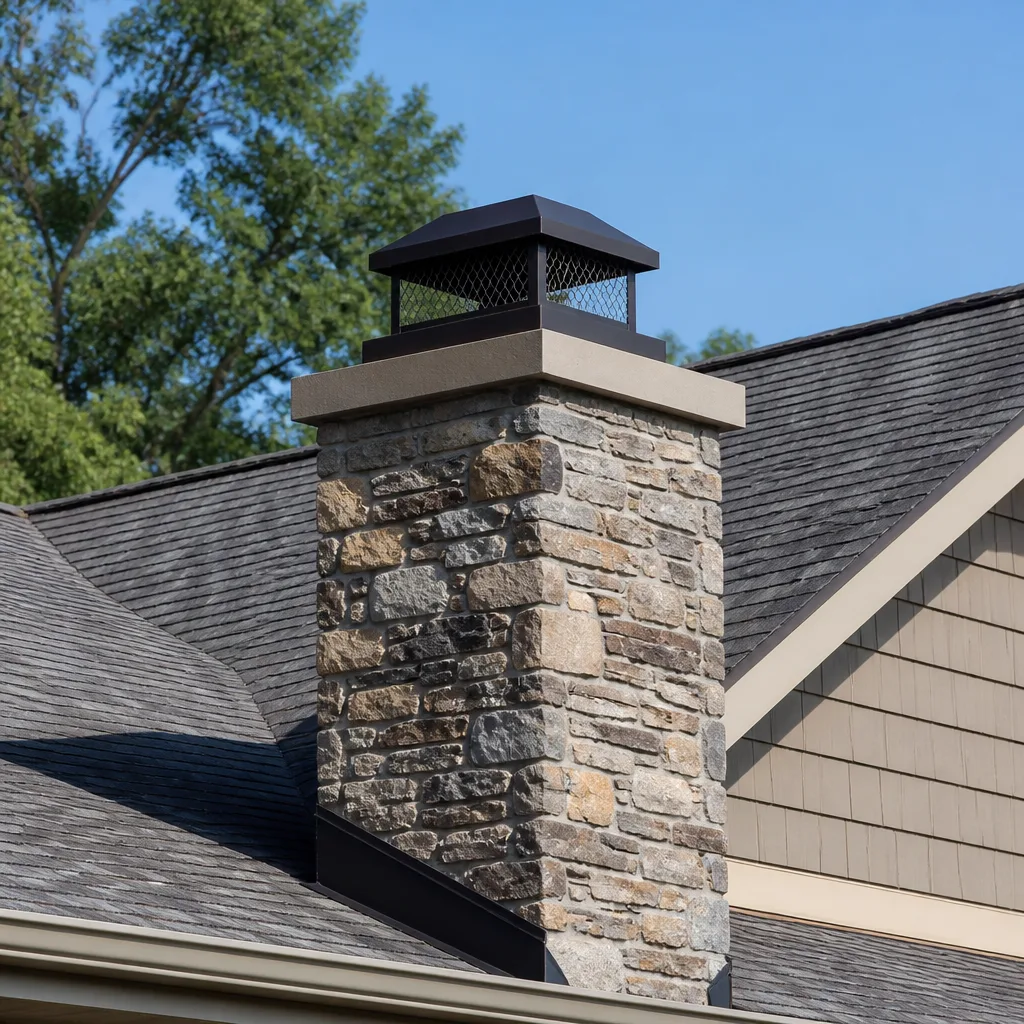
Caps and covers are worth getting right. We source them from brands built specifically for chimney weatherproofing rather than general construction alternatives: Gelco and Olympia Chimney both make purpose-built caps and covers. A cap that fits correctly and vents the way it should does more for a chimney than most people realize. It keeps rain and animals out and, just as important, lets the flue breathe so moisture doesn’t get trapped inside.
Annual vs. Two-Year Sweeps: What Actually Decides It
The “sweep once a year” rule is a reasonable starting point, but it isn’t a rule. Two things actually determine how often your chimney needs a sweep: what you burn and how often. Here’s how to think about it.
- Burn frequency. If you’re lighting fires most evenings from November through February, annual sweeps are the baseline. If you burn a handful of times a year, a two-year cycle is often fine, but that doesn’t replace the annual inspection.
- Wood type. Seasoned hardwood burns cleaner and produces less creosote than green or soft wood. If you’re burning unseasoned wood, you’re building up deposits faster, and the schedule tightens.
- How the fire burns. A slow, smoldering fire produces more creosote than a hot, efficient fire. If you’re in the habit of damping down the fire and letting it smolder for hours, expect to sweep more often.
- Inspection findings. This is the part most people miss. The sweep itself doesn’t set the interval. What the professional sees inside the flue does. Heavy glazed creosote means sweep sooner. Light deposits mean the schedule can stretch.
Here’s the part that matters more than the sweep interval: the inspection is annual regardless. A chimney can be clean and still have a cracked flue tile, a failing mortar joint, or a detached cap. The sweep tells you it’s clean. The inspection tells you it’s safe. Those are different questions and they’re both worth asking once a year. In our experience around Richardson, the homes that have the fewest surprises are the ones that get the inspection regardless of whether it’s a sweep year.
A quick reference by burn pattern
- Heavy use, fires most winter nights, mixed wood: sweep annually, inspect annually.
- Moderate use, fires on cool evenings and weekends, seasoned hardwood: sweep every one to two years, inspect annually.
- Occasional use, a few fires a season: sweep every two years, inspect annually.
- Gas appliance or a fireplace that hasn’t been used in years: inspect before you light the first fire, then follow the inspection findings.
The point is this: there’s no single calendar answer. The right interval comes from what’s happening inside your chimney, and the only way to know that is a proper look. If you’re unsure where you fall, a chimney repair visit that includes a full inspection will tell you far more than any general rule.
What Off-Season Chimney Maintenance Really Covers
“Off-season” doesn’t mean nothing happens. It means the work that isn’t possible during burn season gets done. Here’s what it covers.
Damper lubrication and operation
The damper is a metal hinge that sits through months of humid air and then gets used hard all winter. A dry, sticky damper is normal by mid-summer. During the off-season, the damper gets checked and lubricated so it opens and closes cleanly when the season starts. A damper that doesn’t seal properly is also a leak point: it lets conditioned air out of the house and outside air in, and it’s one of the simplest things to fix when you catch it early.
Firebox joint inspection
The firebox mortar joints are worth a careful look every off-season. Heat and moisture in Richardson’s climate work on them from opposite directions. Small cracks in the joints are common, and they’re far easier to address before they spread into the surrounding masonry. This is also where a resurfacing product matters. The right materials for the job are the ones made for firebox and flue resurfacing, not general-purpose mortar. We use HeatShield, the industry’s leading chimney resurfacing system, precisely because it’s a repair-grade product built for this application and not something a generalist can pick up at a hardware store.
Waterproofing reapplication timelines
Exterior waterproofing doesn’t last forever. The rough masonry on a chimney absorbs moisture during the humid months and through every rain event. A properly applied breathable waterproofing keeps water out while letting the masonry dry from the inside. The reapplication timeline depends on the product and the exposure, but the key word is breathable. Sealants that trap moisture inside do more harm than good. When the waterproofing goes on, the cap and flashing need to be sound first, or you’re sealing a leak in rather than keeping it out.
Crown and flashing check
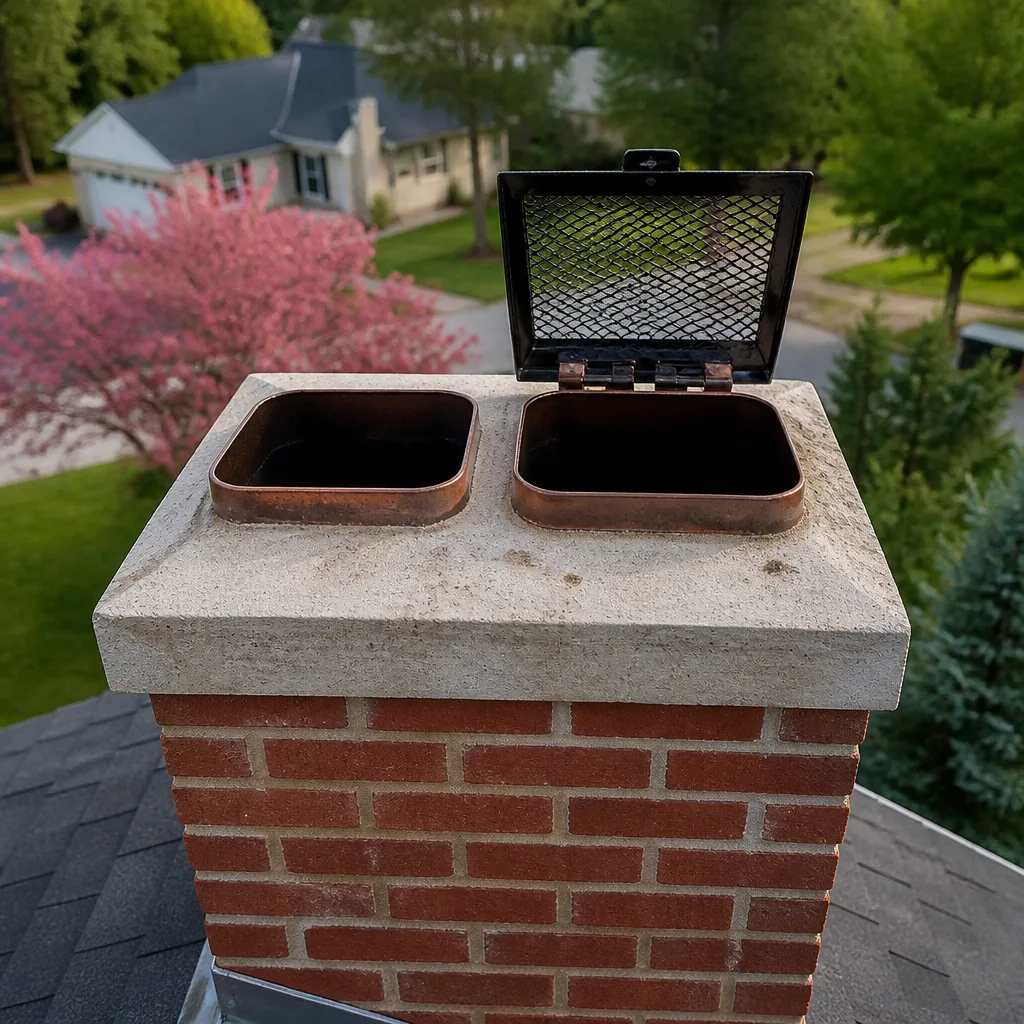
The crown is the concrete cap at the very top of the chimney, and it sheds water away from the flue. A cracked or washed crown is one of the most common causes of slow water damage in masonry chimneys. The flashing is the metal that seals the chimney to the roof. Both need to be inspected during the off-season when repairs can be scheduled without urgency. Famco makes flashing and venting components built for code-compliant weatherproofing, and that’s the kind of specification we look for.
How to Keep a Chimney Log That Saves You Money Later
Most homeowners can’t tell you when their chimney was last swept, what was found, or what was repaired. That gap costs them money. A repair tech who has to figure out the history from scratch takes longer, and the more unknowns there are, the more careful (and time-consuming) the work has to be. A simple log fixes this.
Here’s what to track:
- Dates of every sweep and inspection. Include who did it and what was found.
- Liner type and condition. Note whether it’s a clay tile, stainless, or something else, and what the last inspection said about its condition. This is the single most useful thing in the log.
- Repairs and materials used. If HeatShield resurfacing was applied, note it. If a DuraFlex liner was installed, note the date. If a Gelco or Famco cap and flashing set was installed, note it. Materials records tell the next inspector what’s been done and what’s still original.
- Storm events. Note any hail or high-wind event in the area and whether the chimney was checked afterward.
- Your burn habits. A shorthand for how much you burn and what kind of wood you use helps the next person understand what the deposits likely look like.
The log doesn’t need to be fancy. A notebook or a note on your phone works. The point is that when you call someone, you can tell them the last inspection date and what it found, and the conversation starts in the right place rather than at the beginning. It also makes future repairs faster, because the professional knows what’s original to the house and what’s been updated.
When a Sweep Becomes an Inspection
A sweep and an inspection are related but they answer different questions. A sweep cleans the flue. An inspection assesses the condition of the whole system: the firebox, the damper, the smoke chamber, the flue, the crown, the cap, and the flashing. For a homeowner, the practical question is: when do I need the inspection?
More often than you might think. Here’s when to ask for one:
- After any storm event. Hail and wind are the two most common causes of quiet chimney damage in this area.
- When something has changed. Smoke that rolls back into the room, a smell that lingers after the fire is out, a fire that won’t draw like it used to. Any change is a reason to look.
- Before lighting the first fire after a long gap. A chimney that hasn’t been used in a season or two should be inspected, not just swept.
- If you’ve had a previous repair. Liner work and resurfacing should be checked to confirm they’re holding up.
- When you’re buying or selling a home. A formal inspection gives you a documented condition, not a guess.
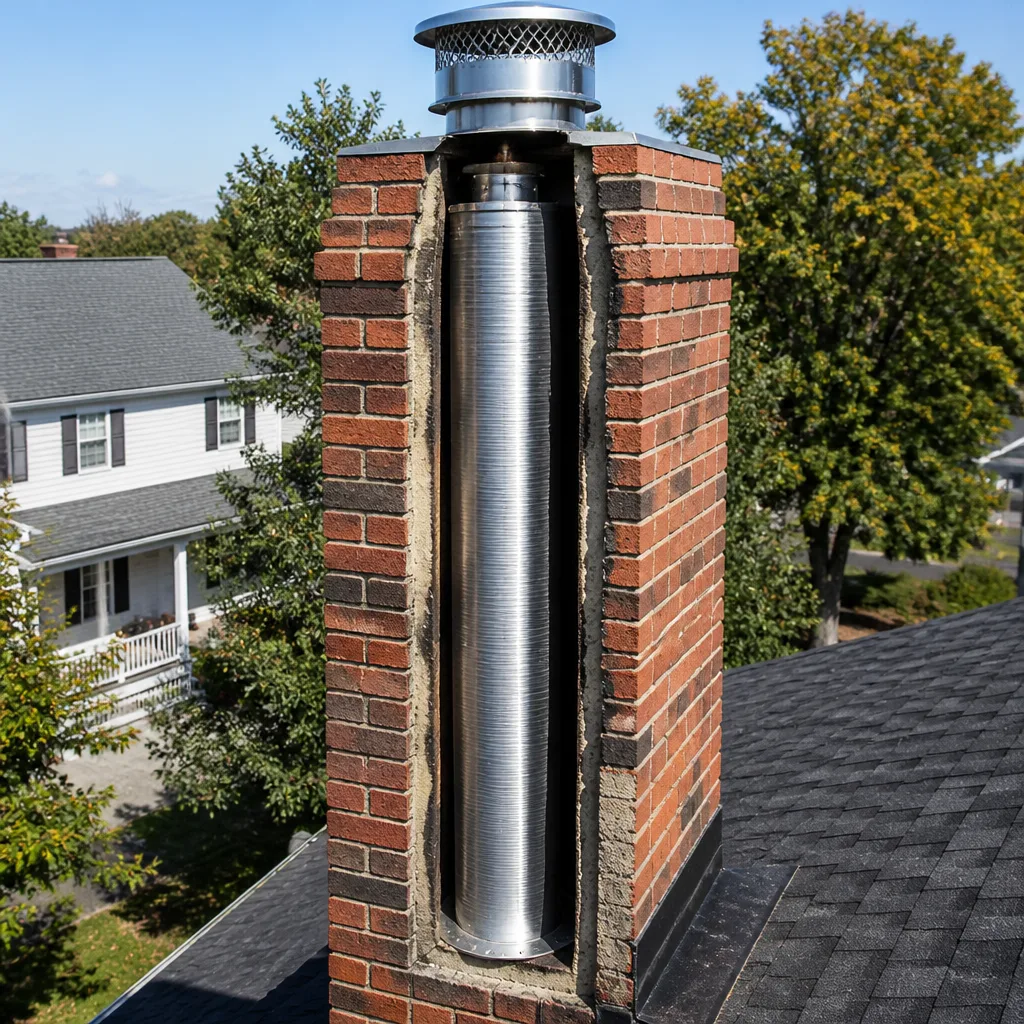
One thing we work hard to do: tell you what your chimney actually needs, and tell you plainly when something can safely wait. An inspection that’s done right gives you an honest report you can act on, whether that’s a sweep, a repair, or nothing yet. If a liner needs attention, we install DuraFlex flexible liner systems, the preferred solution for relining aged or damaged flues without going through full chimney reconstruction. That’s one of those decisions where the right answer is entirely driven by what the inspection finds, not by what’s convenient to sell.
Common Mistakes to Avoid
- Waiting until October to book. This is the single biggest scheduling mistake in the chimney world. You’ll be at the back of the line and you’ll have the least flexibility to fix what the sweep finds. Book the inspection for late July or August instead.
- Skipping the inspection because it’s a sweep year. A clean flue is not a safe chimney. The inspection is what catches the cracked tile, the failing mortar, and the loose cap. Do both.
- Ignoring the exterior after a hail event. North Texas hail is hard on caps and crowns. A quick check from the ground after a storm takes two minutes and can save a masonry repair later.
- Using non-breathable sealant on the chase. Trapping moisture inside masonry accelerates the damage you were trying to prevent. The waterproofing has to let the chimney dry from the inside outward.
- Not knowing what’s in the chimney. If you can’t say whether your liner is clay or stainless, or when it was last inspected, that’s a gap worth closing. A chimney log removes the guesswork.
- Trusting a cap or cover that isn’t purpose-built. A general construction cap that fits poorly or vents wrong keeps rain out but can trap moisture in. Chimneys need caps designed for chimneys.
- Letting a small firebox crack spread. Cracks in mortar joints are easy to manage early and much more involved once they spread into the surrounding masonry. The off-season is when you catch them.
See the difference
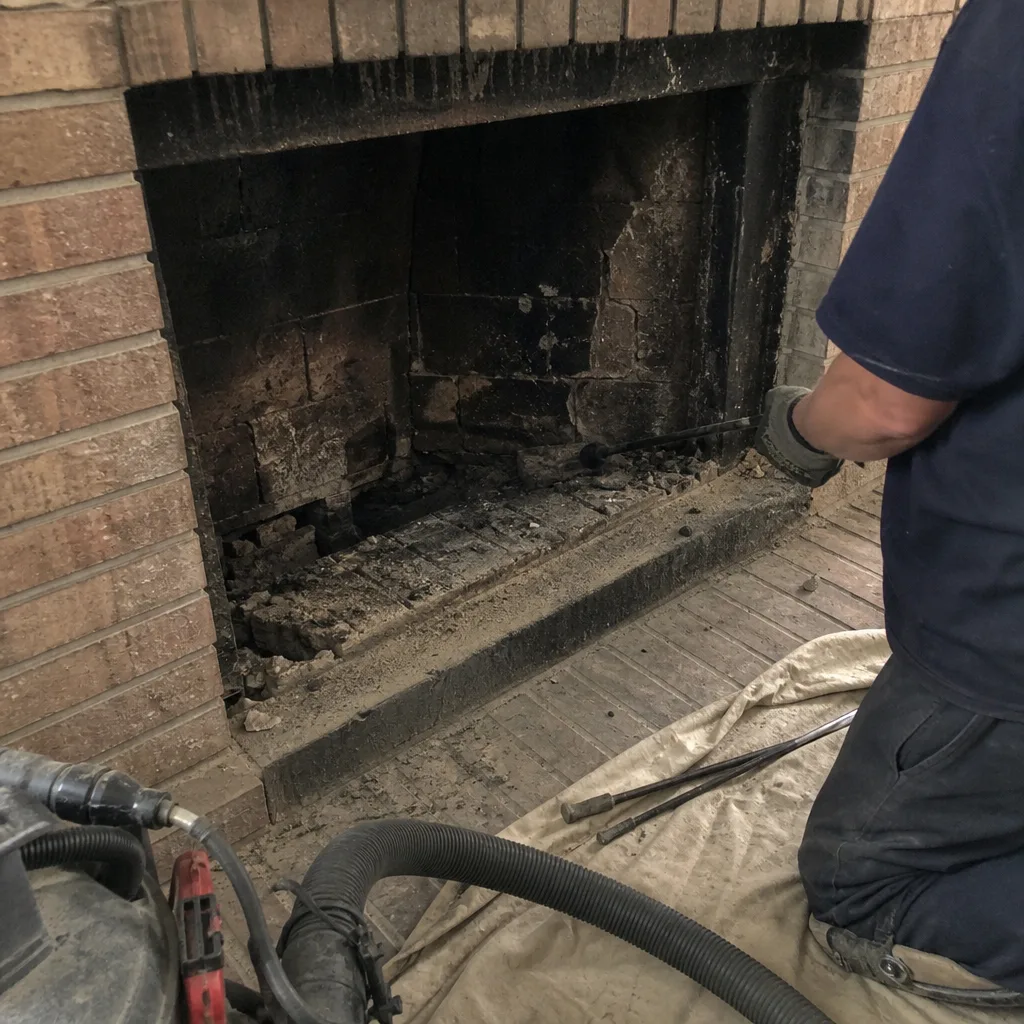 Before
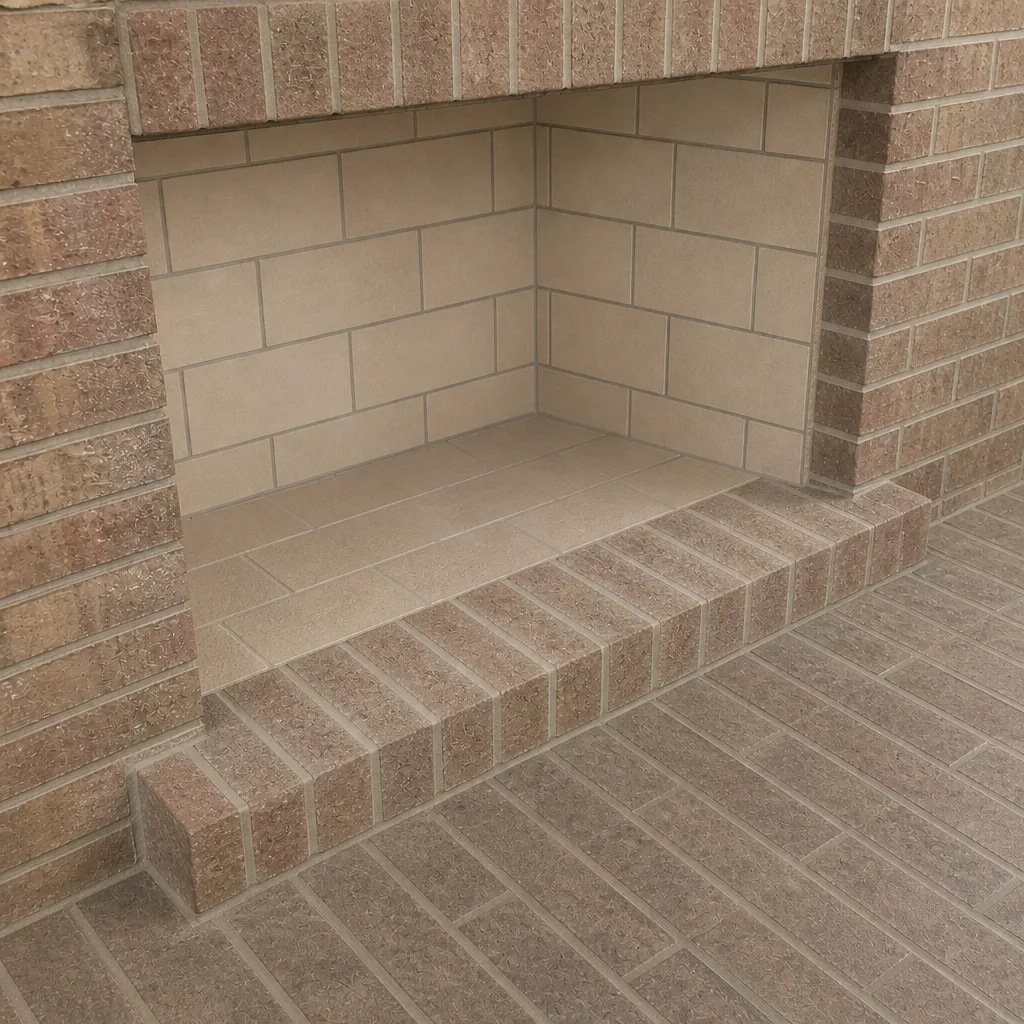 After
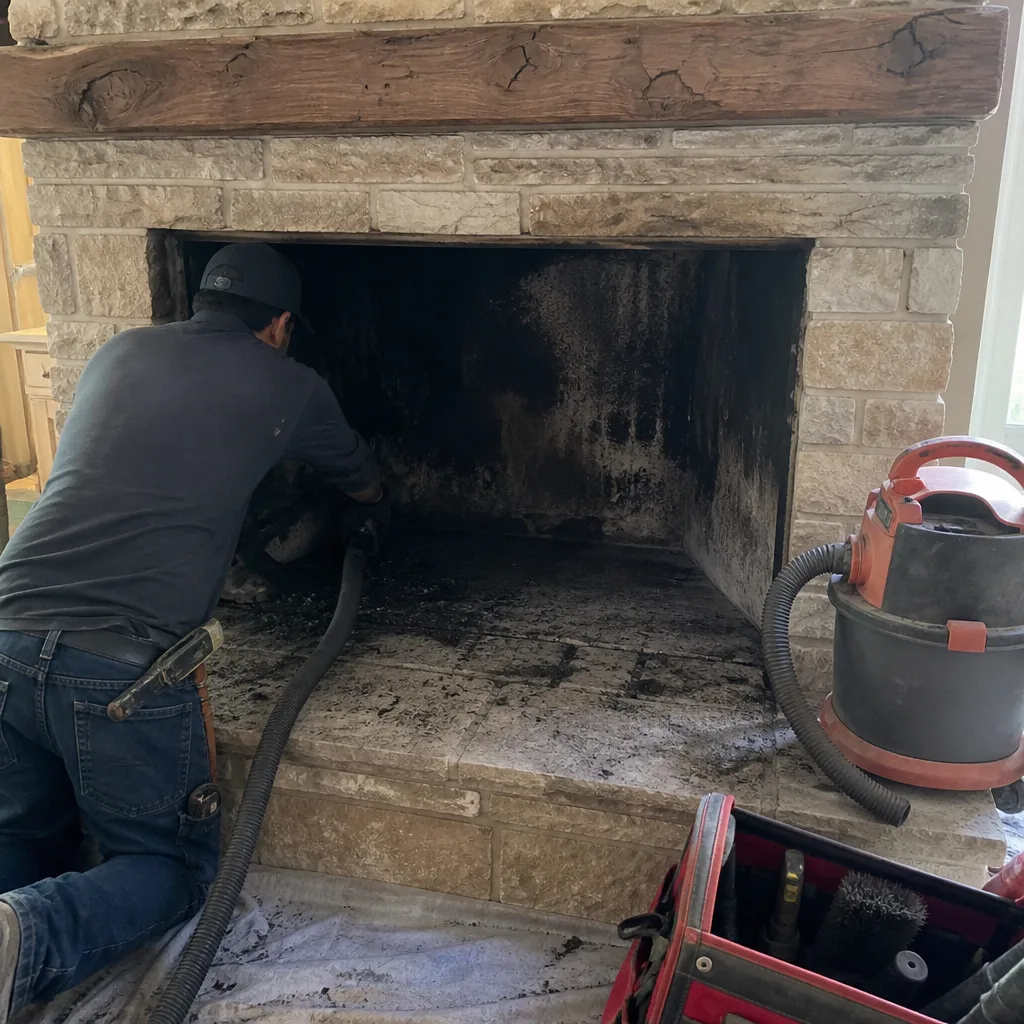 Before
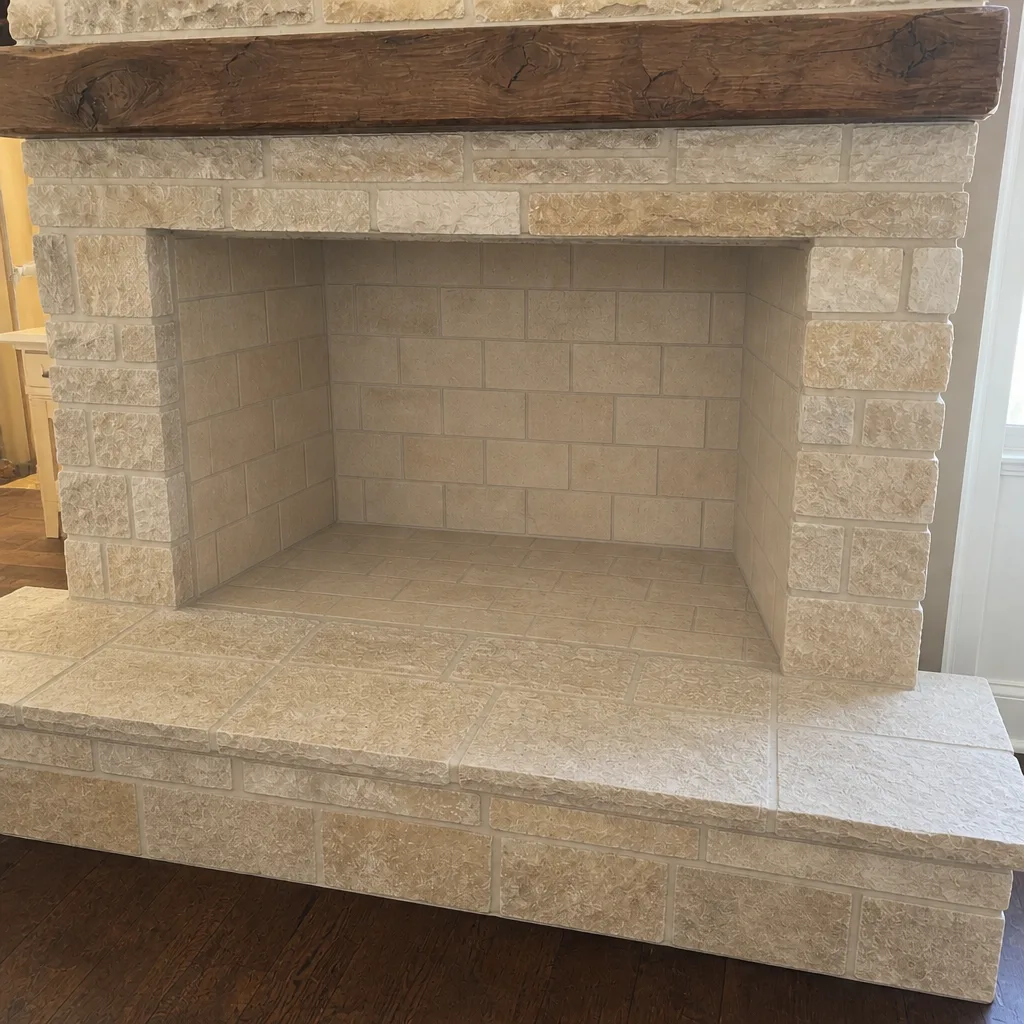 After
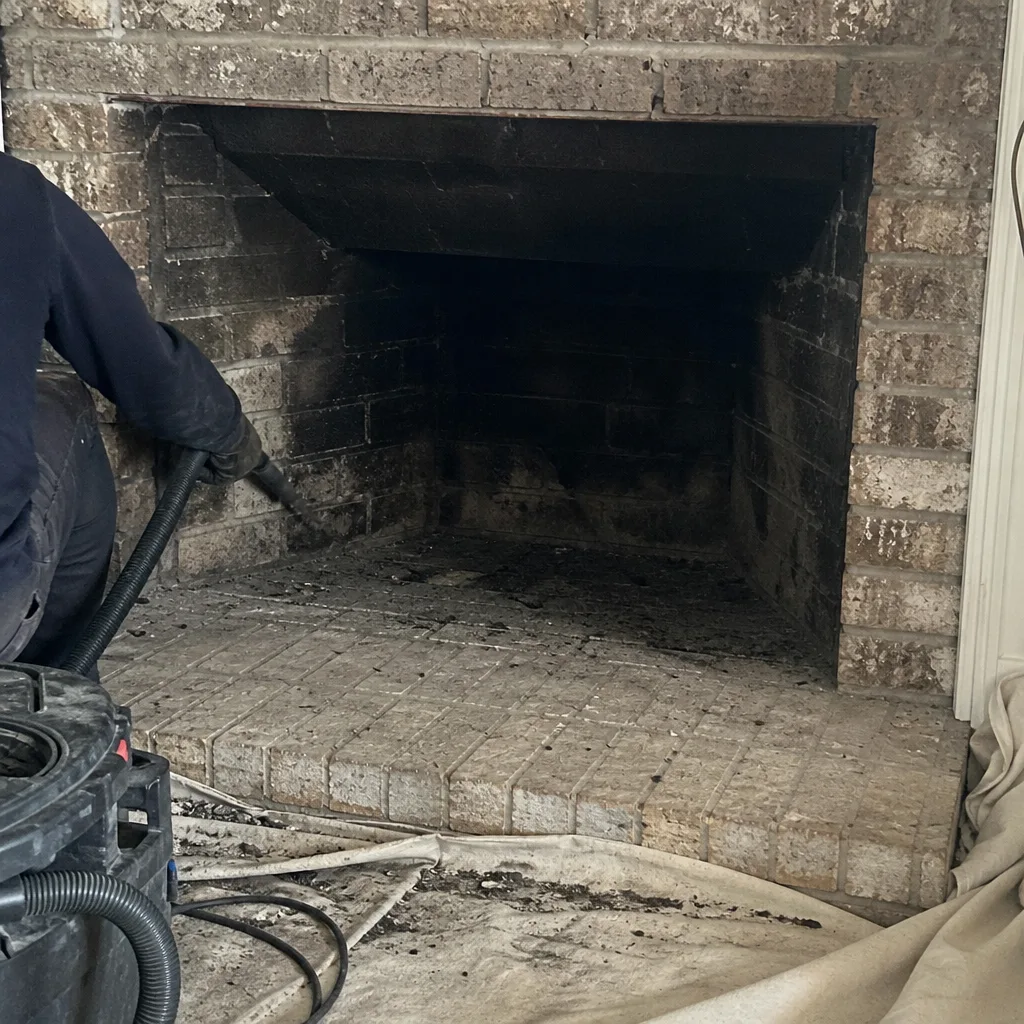 Before
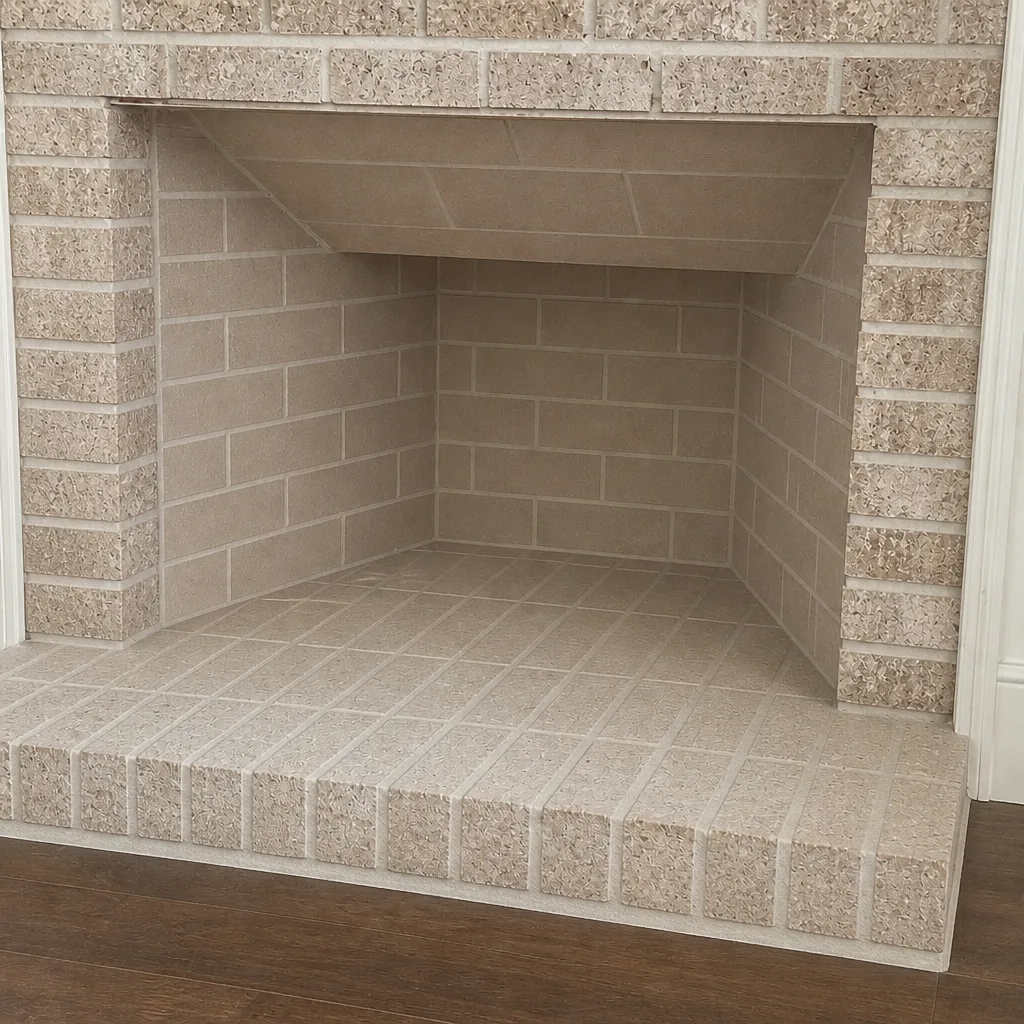 After
When to Call a Professional
Call a professional when you’re near the end of the two-year sweep interval and haven’t been checked, when something has changed about how your fireplace burns, or when a storm has moved through the area. Call after any chimney fire, no matter how small it seemed. Call before lighting the first fire if the chimney has sat unused for a season or more. And call when you simply want to know what you actually have, without guessing. Ridgeway Chimney Sweep offers free estimates in Richardson. Call (888) 873-4715. We answer 24/7 and dispatch from 7am to 7pm, Sunday through Friday. Our technicians have up to 15 years of experience, and we work with a curated set of professional-grade brands including DuraFlex, HeatShield, Gelco, Olympia Chimney, Famco, and Copperfield. That’s full service in one place: sweep, inspect, repair, with the right materials for each. You can see the full range of what we handle at Ridgeway Chimney Sweep.
Frequently Asked Questions
Most wood-burning chimneys in Richardson need a sweep every one to two years, depending on how much you burn and what kind of wood you use. Heavy use or unseasoned wood pushes you toward an annual sweep. Light use with seasoned hardwood can stretch to two years. Regardless of the sweep interval, an inspection should happen every year. Call (888) 873-4715 for an exact quote; estimates are free.
Late July or August is the best window in Richardson. Storm season has passed, so any hail or wind damage is visible, and the fall rush hasn’t started, so scheduling is easy and repairs can be completed well before the first burn. October is the worst month to book because everybody else is booking then too. Call (888) 873-4715 to get on the calendar.
Yes. The inspection checks the flue, damper, crown, cap, and flashing, and those can fail whether or not you’ve had a fire. Moisture and storm damage don’t need a fire to do damage. An annual inspection is the baseline for every chimney. Call (888) 873-4715 for a free estimate and a straight answer about what yours needs.
A sweep cleans soot and creosote from the flue. An inspection assesses the condition of the full system, from the firebox to the crown. Both matter, and they’re not interchangeable. A clean chimney can still be unsafe, so we recommend the inspection regardless of the sweep schedule. Call (888) 873-4715 to book both together.
Check the cap and cover for dents or detachment, look for lifted flashing, and inspect the crown for cracks or material wash, all from the ground. After rain, check the firebox and damper area for staining or dampness. If anything looks off, get it inspected before fall. Call (888) 873-4715; estimates are free.
Off-season maintenance covers damper lubrication, firebox joint inspection, waterproofing reapplication, and a crown and flashing check. These are the jobs that are hardest to do during burn season and easiest to handle in summer. It’s also the window when chimney professionals have availability. Call (888) 873-4715 for an exact quote; estimates are free.
The Bottom Line
The right chimney schedule in Richardson isn’t “sweep once a year in fall.” It’s an inspection every year, a sweep every one to two depending on how and what you burn, exterior checks after every hail event, and off-season work that handles dampers, firebox joints, and waterproofing while there’s time. The month matters because timing is what turns a routine repair into a scramble. Late July or August gives you fresh visibility on storm damage and a real chance to complete repairs before the first fire. Keep a simple record so the next inspection starts from what you already know. And when you need someone who does sweep, inspection, and repair with professional-grade parts rather than whatever’s convenient, we’re here for that. Call (888) 873-4715. We answer 24/7. Fast dispatch from 7am to 7pm, Sunday through Friday.
Written by the team at Ridgeway Chimney Sweep.