
Last updated November 16, 2026
 Sweep & inspection
 Caps & crowns
 Flue relining
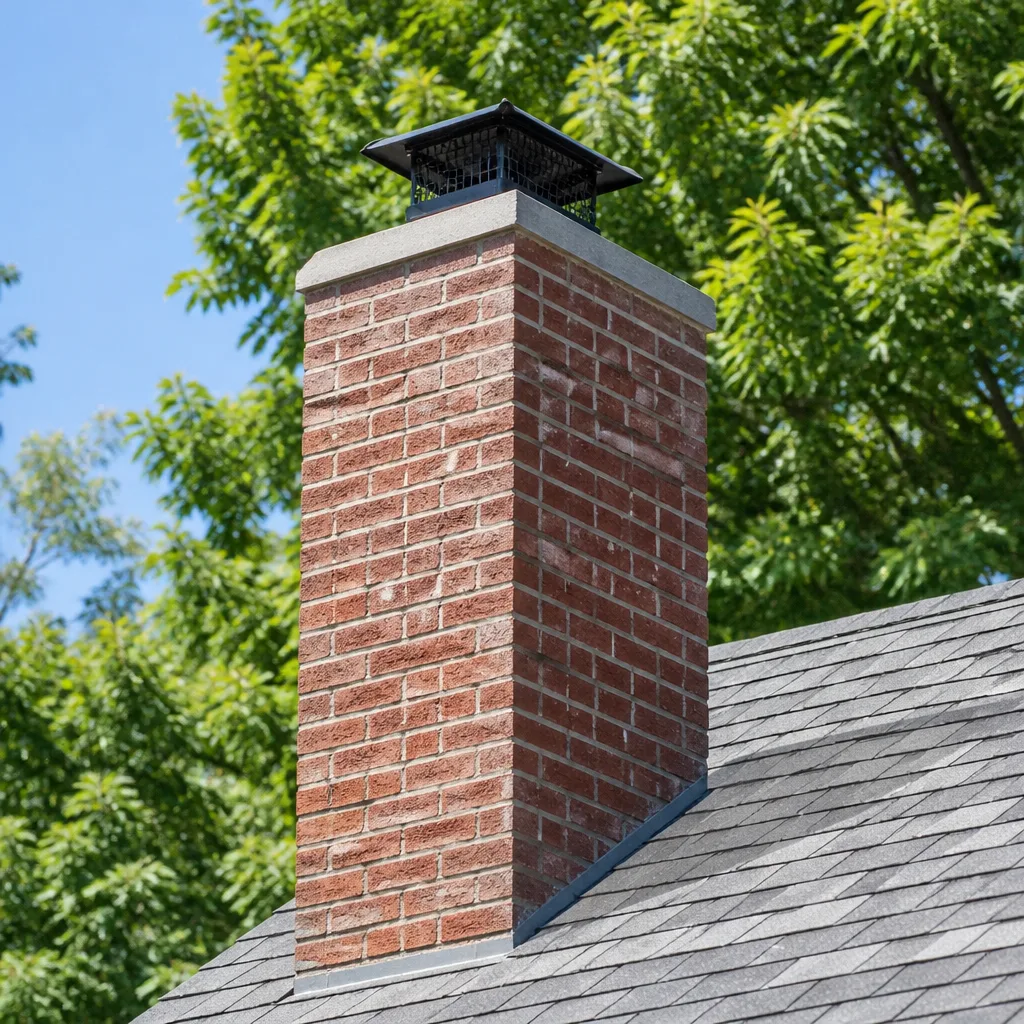 Masonry repair
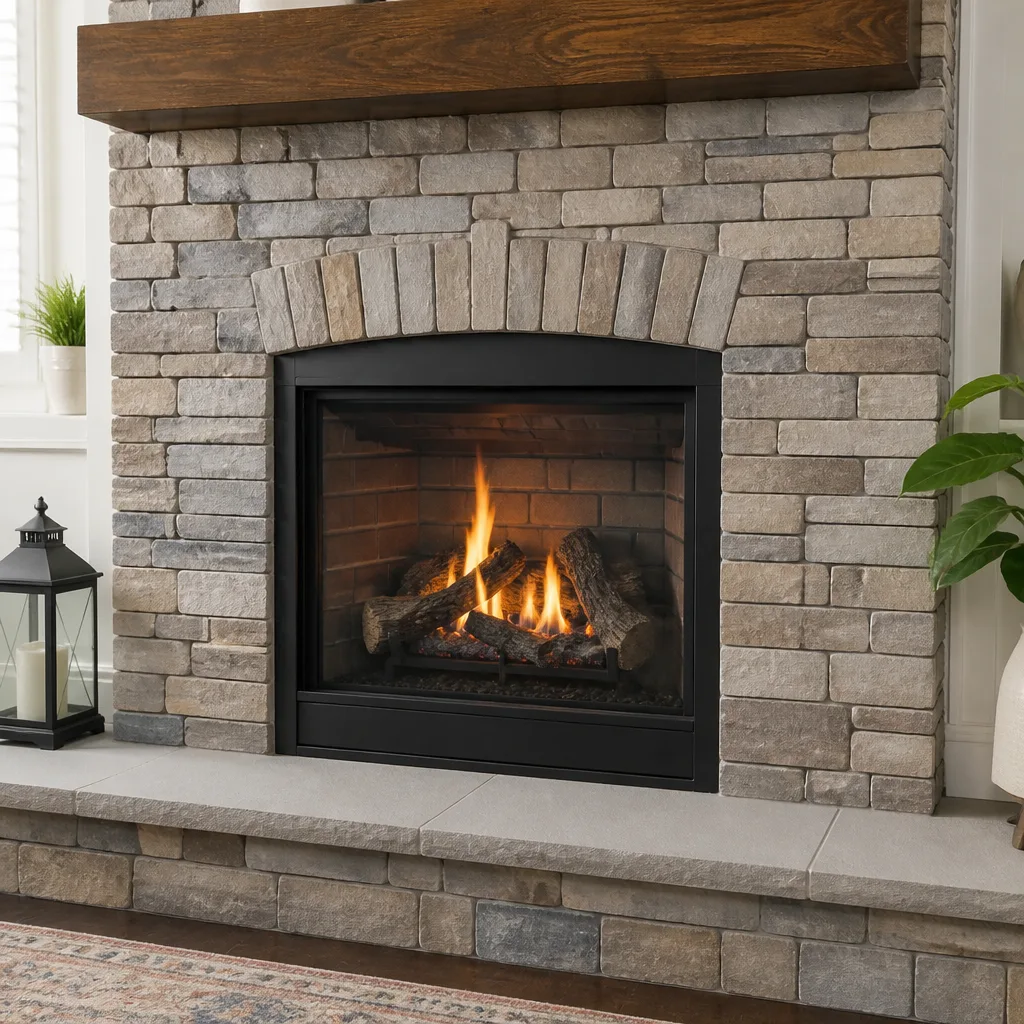 Gas fireplace service
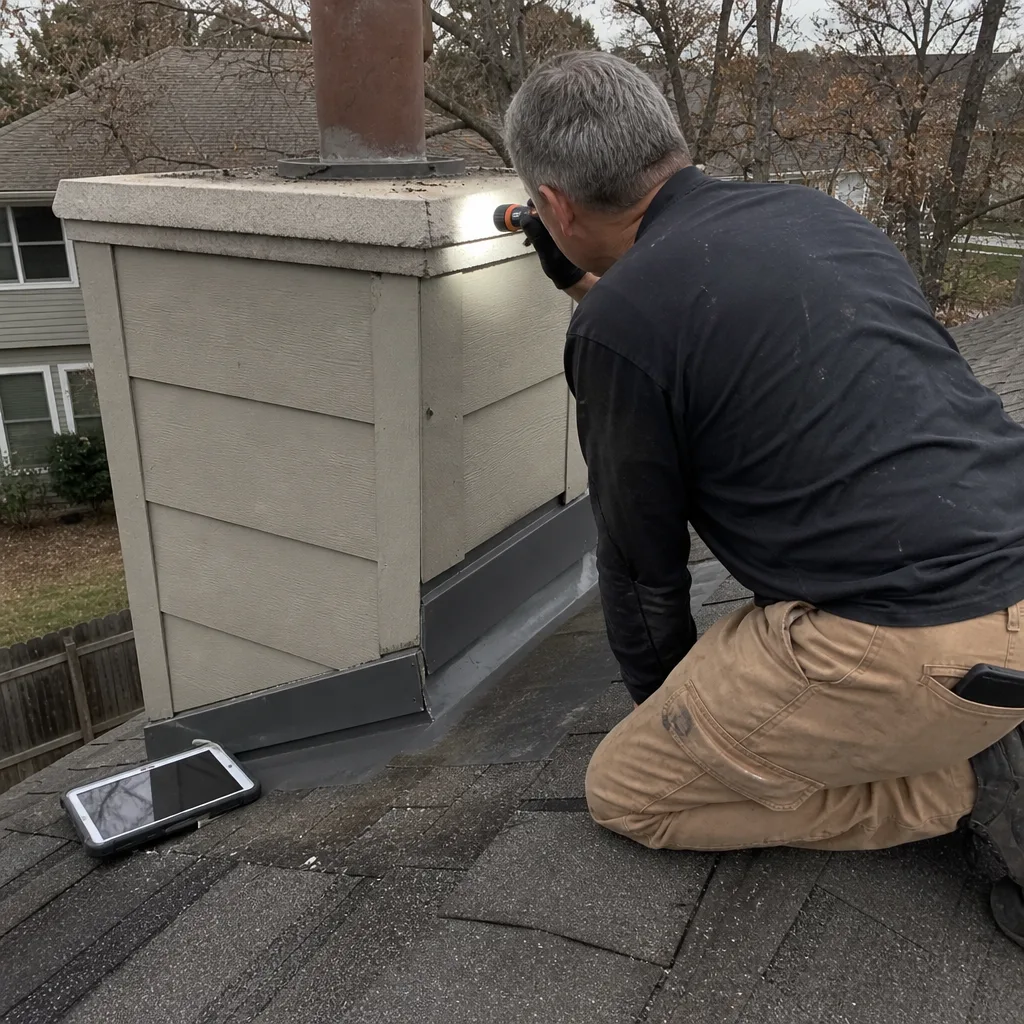
Level 1 sweep and inspection to the NFPA 211 annual standard - flue, crown, cap, and flashing checked and photographed
Chimney sweep logs do not sweep chimneys. They loosen some creosote - which then falls where a brush and vacuum still have to collect it.
Chimney Cleaning Permits, Codes & Inspections in Richardson, TX: What You Need to Know
The word “cleaning” gives homeowners a false sense that everything that happens during a chimney visit is permit-free. It isn’t. Sweeping a flue with a brush and a vacuum is routine maintenance, and no city inspector is going to sign off on it. But the moment a contractor installs a liner system, rebuilds a smoke chamber, or replaces a chase cover, the code clock starts, and the work now needs to pass muster with the City of Richardson’s building department. We’ve watched this distinction trip up plenty of Richardson homeowners who assumed their sweep’s visit was the whole story. This guide walks through where the permit line actually sits, how Texas’s adoption of the International Residential Code shapes flue and liner specs, the difference between a code inspection and an NFPA 211 inspection, and what happens when unpermitted chimney work turns up in a Collin County property disclosure.
Quick Answer
Chimney cleaning itself does not require a permit in Richardson, TX. Structural work that follows a cleaning, including liner replacement, smoke chamber resurfacing, masonry repair, and cap or chase cover installation on some scopes, generally does require a permit from the City of Richardson and must meet the International Residential Code as locally amended. The inspection your sweep performs during a cleaning is a maintenance inspection under NFPA 211 standards, not a code inspection, and the two serve different purposes.
Styles & brands we work with
- Sweep & inspection
- Caps & crowns
- Flue relining
- Masonry repair
- Gas fireplace service
Table of Contents
- Where the Permit Line Actually Sits in Richardson
- How Texas’s Adoption of the IRC Affects Chimney Work
- Code Inspections vs. NFPA 211 Inspections: What’s the Difference?
- When a Level 2 Inspection Becomes Legally Necessary
- Unpermitted Chimney Work and the Collin County Property Disclosure
- Liner Replacement vs. Cap Installation: Which One Needs a Permit?
- How to Hire a Chimney Contractor Who Pulls the Right Permits
- A Step-by-Step Guide to a Code-Compliant Chimney Repair in Richardson
Where the Permit Line Actually Sits in Richardson
Cleaning is exempt. Repair is not, in most cases. That’s the plainest way to describe the permit situation for chimney work in Richardson, and it’s worth unpacking because the word “repair” covers a lot of ground.
Routine maintenance falls outside the permit process in essentially every Texas jurisdiction, and Richardson is no exception. A chimney sweep removing creosote, checking the firebox, and running a camera up the flue is not a permitted activity. Neither is a maintenance inspection, and neither is a minor cap reseal or a tightening of an existing flashing seal.
Where the line moves is when the work changes the structure of the chimney or its venting system. That includes:
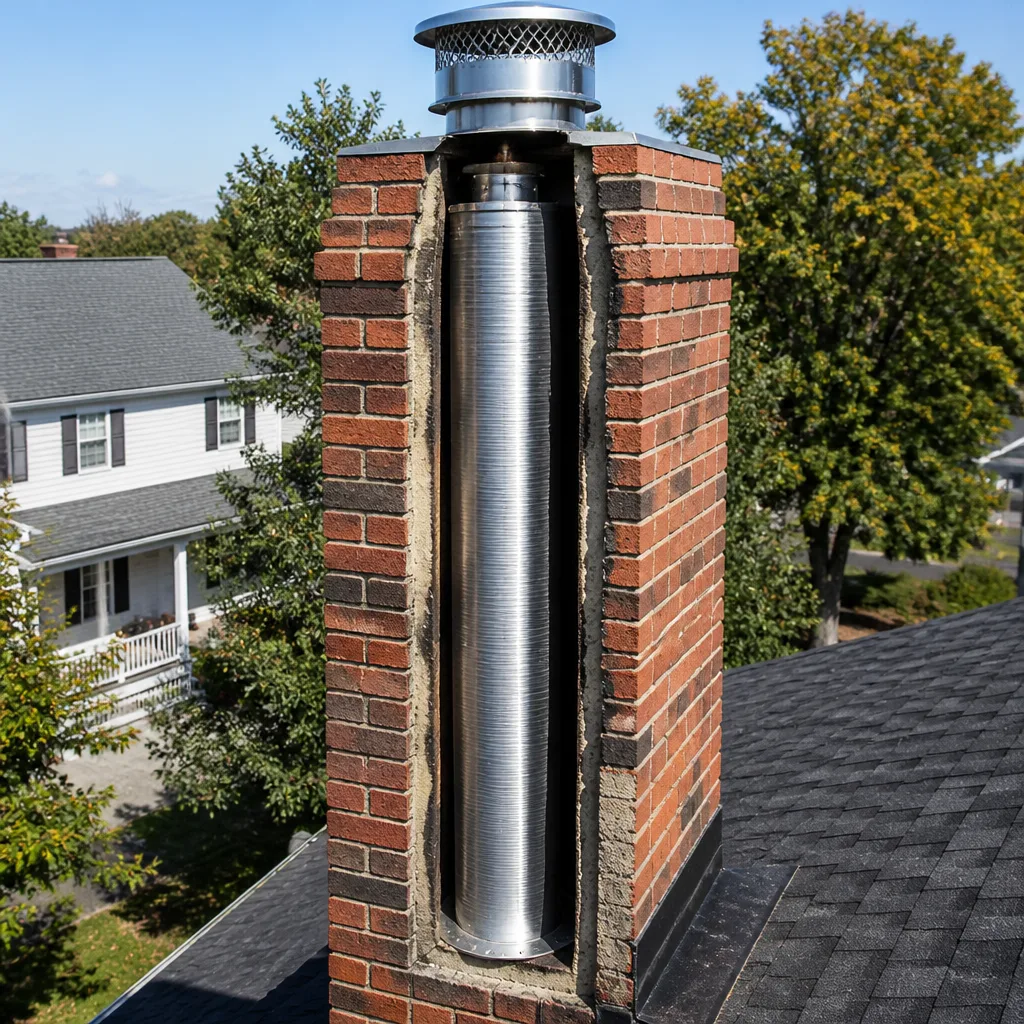
- Liner replacement or relining. Installing a new flexible stainless liner inside an existing flue alters the venting system and is treated as a structural alteration, which means it’s a permitted scope under the residential code.
- Smoke chamber resurfacing. When the smoke chamber above the damper is parged or rebuilt to smooth transitions, it changes the geometry and affects draft. Richardson follows the code requirement that this area be properly shaped, and inspectors expect the job to be visible on a permit if it involves more than cosmetic patching.
- Masonry repair to the chimney stack or firebox. Repointing, crown rebuilding, firebrick replacement, and any structural masonry work falls under permit in Richardson.
- Chase cover installation on a manufactured chimney. Replacing a chase cover on a prefab system is often treated as a structural alteration because it changes the cap system over the termination.
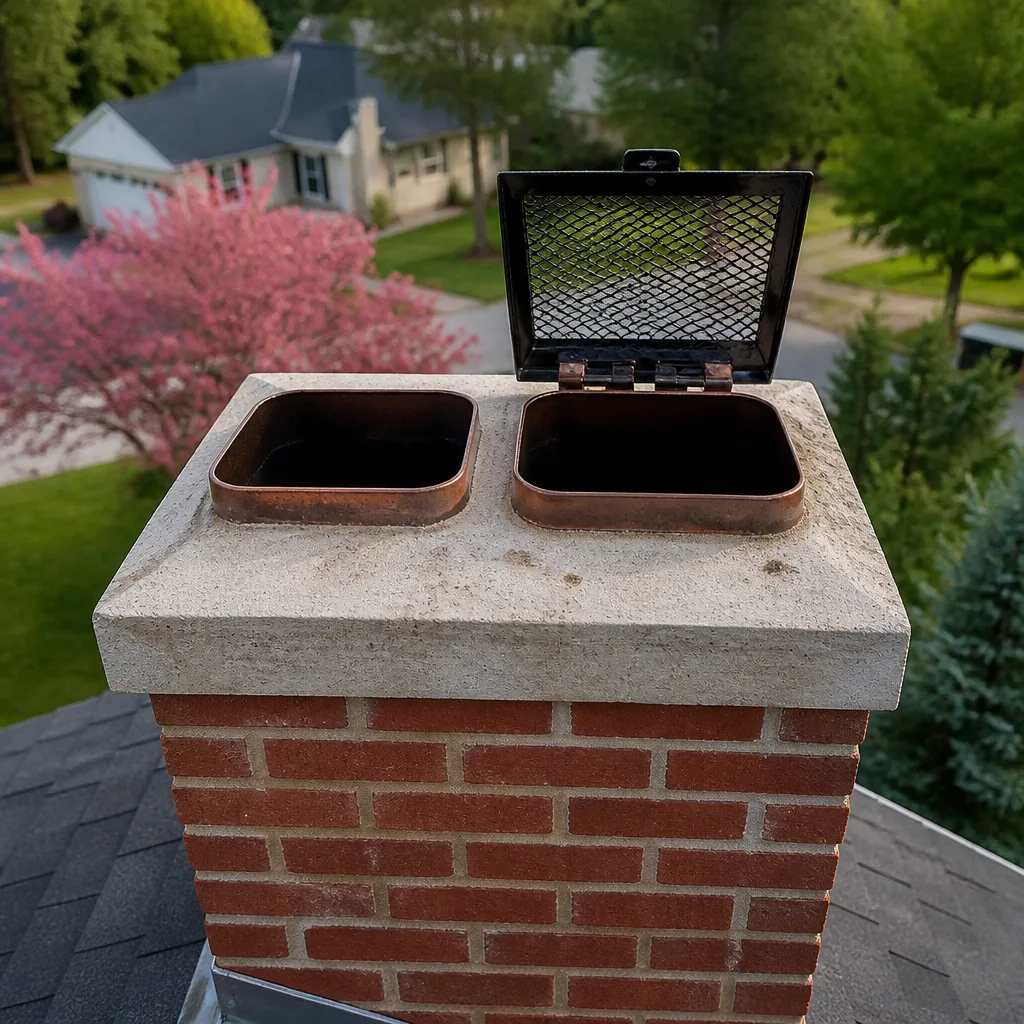
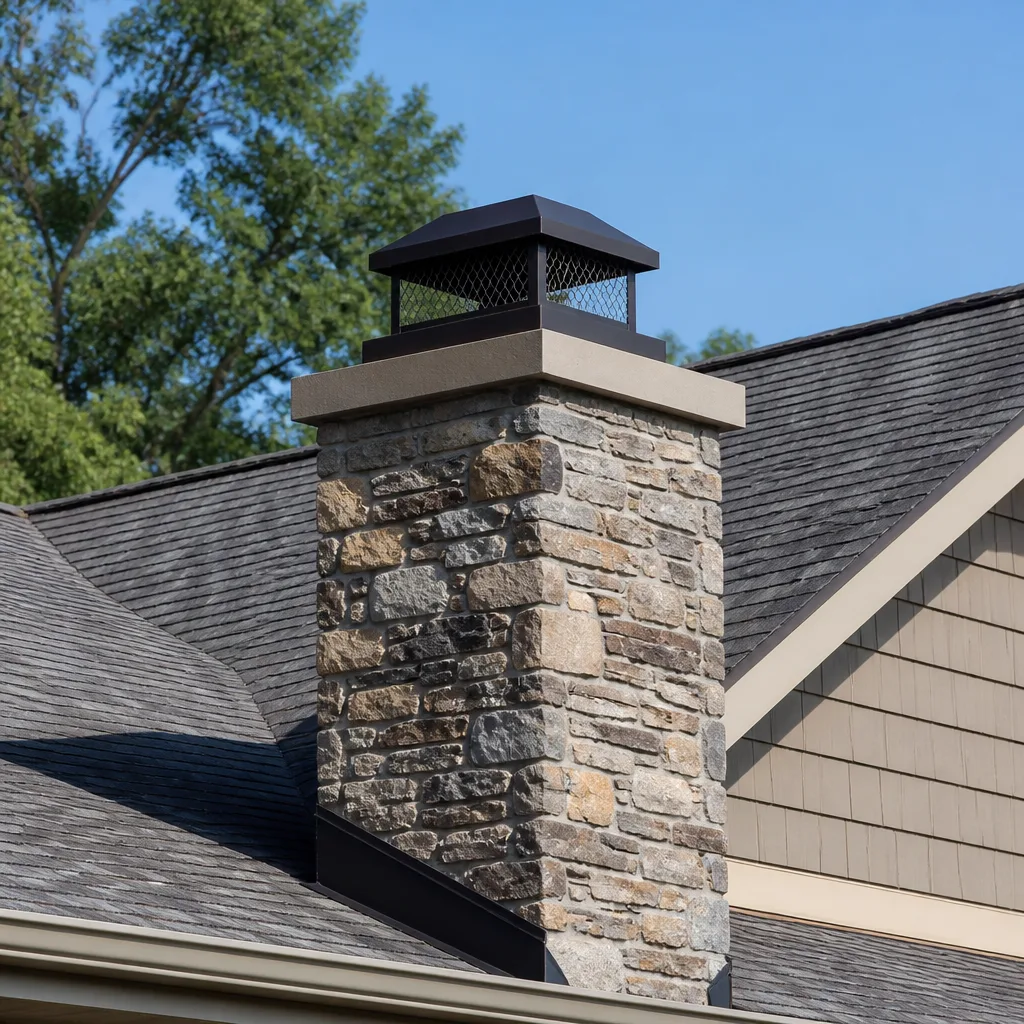
- Cap installation on a masonry chimney. This is more of a gray area. A simple cap that sits on a flue tile without altering the crown or mortar typically doesn’t need a permit. A full chase cover or a cap that requires the top of the chimney to be modified usually does. When in doubt, ask the building department before the work starts rather than after.
- Adding or replacing a fireplace insert, or converting a wood-burning fireplace to a gas appliance. Any change to the fuel-burning appliance or its venting is permit territory.
A note on the difference between Richardson addresses in Collin County versus Dallas County: the City of Richardson spans both counties, so permit records end up held by the city itself. That matters for the disclosure section below.
How Texas’s Adoption of the IRC Affects Chimney Work
Texas does not adopt the International Residential Code at the state level in a way that binds every municipality. Each city, including Richardson, adopts the IRC through its own ordinance, and the version in force determines the exact flue sizing, clearance, and material specs an inspector will hold you to. Richardson, like most North Texas cities, adopts the IRC with local amendments, which means the code inspector’s checklist has some Richardson-specific items layered on top of the model code.
What that means in practice for a chimney project:
- Flue sizing follows the IRC tables plus the appliance manufacturer’s listing. A fireplace insert, a wood stove, or a gas furnace that vents through the chimney must match a flue size the code tables and the appliance’s installation instructions both support. Undersized or oversized flues are one of the most common reasons a liner permit fails inspection the first time.
- Liner material must be listed for the fuel type. Stainless flexible liner systems like DuraFlex are specified for wood and gas in most installations, but the alloy and wall thickness have to match the appliance’s flue gas temperature rating. The code does not just say “a liner”; it says a listed liner. That’s why we work with the professional-grade product lines instead of whatever flexible pipe is available. The right materials pass inspection the first time.
- Clearances to combustibles are enforced. The prescribed clearance from the chimney to framing, insulation, and other combustibles is checked during the framing inspection on new construction and during the alteration inspection on a reline or rebuild.
- Weatherproofing components must be code-compliant. Flashing, caps, and chase covers are part of the venting system, not decoration. Famco flashing components and Gelco or Olympia Chimney caps are specified for this reason: they are designed to meet the code requirements for weatherproofing a chimney termination, and an inspector can see that from the roof.
- Masonry chimneys must have a properly sloped crown and visible flue tiles. The IRC calls out the crown and flue tile requirements explicitly, and a Richardson inspector will look at both.
The practical implication: the version of the IRC in force in Richardson today may not be identical to what was enforced when the home was built. If your house went up in the 1980s or 1990s, it was almost certainly built to an older code cycle, and a repair pulled today will be inspected to the current standard. That’s a common source of friction on a reline or rebuild, and it’s worth knowing before you start.
Code Inspections vs. NFPA 211 Inspections: What’s the Difference?
Homeowners often use the word “inspection” to mean one thing. In the chimney trade it means at least two.
A code inspection is performed by a municipal inspector for the City of Richardson after a permitted scope of work is finished. Its purpose is to confirm the work meets the adopted IRC and its local amendments. It is triggered by the permit, it is scheduled by the contractor, and it generates an inspection record the city keeps on file. If you ever sell the home, that record is your evidence that the work was done to code.
An NFPA 211 inspection is performed by a chimney sweep or technician following the National Fire Protection Association’s standard for chimneys, fireplaces, vents, and solid fuel burning appliances. It is a visual and sometimes camera-assisted assessment of the chimney’s condition and venting performance. It is not a code inspection, and a sweep has no authority to pass or fail work against the building code. What the sweep produces is documentation: photos, a written report, and a recommendation.
Here’s the distinction that matters most: an NFPA 211 inspection is the tool that tells you whether a permit is needed. The sweep looks at the flue liner, the smoke chamber, the firebox, the crown, the cap, and the clearances, and identifies what has failed or is failing. If the liner has cracks or gaps, the inspection surfaces that and a permit-requiring reline enters the conversation. If everything is intact, the cleaning can proceed without a permit and without a repair scope.
Most chimney visits in Richardson should include both an NFPA 211 inspection and a documented report, whether or not a permit is going to be involved. The inspection is what tells you the truth about the flue, and the report is what makes it verifiable later.
When a Level 2 Inspection Becomes Legally Necessary
NFPA 211 defines three inspection levels. A Level 1 is a visual check of readily accessible portions of the chimney and appliance, appropriate during routine annual service. A Level 2 adds a camera examination of the flue interior and access to concealed areas, and it’s required whenever the chimney has changed condition or changed ownership. A Level 3 goes further and involves opening walls or other construction to access parts of the chimney that cannot be seen otherwise.
Three situations routinely require a Level 2 under the standard:
- Real estate transactions. A property sale is the single most common trigger. When a chimney has changed ownership, NFPA 211 requires a Level 2 inspection before the new owner operates the appliance. In practice, most North Texas real estate contracts include a chimney contingency, and a Level 2 inspector’s report is what the buyer reviews. Skipping it is how a hidden liner defect ends up on the buyer’s side of the closing.
- After a chimney fire. Any chimney fire, whether the homeowner saw flames or only heard the roar and felt the vibration, is a condition change that triggers Level 2. The fire can crack flue tiles, warp a metal liner, and damage the smoke chamber in ways a Level 1 inspection cannot see.
- After a major exterior alteration. Replacing the roof, changing the chimney’s height, removing or installing a cap system, or any significant work that touches the chimney exterior is a condition change. So is adding a fireplace insert or changing the appliance. In each case the standard requires a Level 2 to confirm the venting system still performs to spec.
There’s also a fourth situation that’s less formal but worth mentioning: a stalled or failed draft. If your fireplace smokes into the room or a wood stove won’t draw, that’s a performance problem that warrants a Level 2 camera exam even without a real estate transaction in the picture.
Because these situations come up fast during a sale, we see a lot of Richardson homeowners scheduling a Level 2 inspection on short notice. That’s fine, and it’s easier than trying to remediate a defect after the buyer’s inspector finds it.
Unpermitted Chimney Work and the Collin County Property Disclosure
Texas property disclosure requirements focus on known defects, and most residential sellers complete a seller’s disclosure notice before closing. Unpermitted chimney work does not automatically land a property in legal trouble, but it does create two distinct problems, and both show up at closing.
The first is the discovery problem. A municipal permit generates an inspection record. If a prior owner had a liner installed without a permit, that record doesn’t exist. During the buyer’s due diligence, a chimney inspector can still see evidence of the work (the new liner is visible on camera), but there’s no matching permit record in the city’s files. Buyers and their agents read that gap as either unpermitted work or work that was done by someone who didn’t know how to pull a permit. Both hurt your negotiating position.
The second is the code compliance problem. Even if the work was done well, it was not inspected to the code in force at the time. If a Richardson inspector looks at the liner, the smoke chamber, or the cap system today and finds non-compliance, the buyer may ask for a credit or for the work to be redone. That applies whether the house is in Collin County or across the city line into Dallas County; the city’s permit record is what matters, not the county.
If you’re the seller and you find unpermitted work, the fix is to get the work inspected now. In Richardson, this usually means opening a permit for the scope, having the work evaluated against the current code, and having any corrections made before the inspection is finaled. That is a better outcome than a last-minute credit at closing.
If you’re the buyer and the inspection report flags work with no permit history, don’t panic. It’s a conversation, not a deal-breaker, but it needs to be part of the negotiation.
Liner Replacement vs. Cap Installation: Which One Needs a Permit?
These two scopes sit on opposite sides of the permit line most of the time, and mixing them up is the most common reason a homeowner gets surprised by a city inspection.
Liner replacement generally requires a permit. The liner is part of the venting system, and the venting system falls under the IRC. A permit for the scope lets the inspector verify flue sizing, liner listing and material, and clearance to combustibles before the liner is closed in. The permit is typically filed by the contractor, and the city inspects after the liner is installed. DuraFlex flexible liner systems are installed to a code-compliant scope, which is part of why we specify them. HeatShield ceramic resurfacing, used to repair a damaged clay flue when the liner itself doesn’t need replacing, is also a permit-bearing repair in most Richardson scopes because it changes the flue interior.
Cap installation is often exempt, but not always. A simple cap that fits over the flue tile at the top of a masonry chimney and does not alter the crown or chase is usually treated as maintenance. A replacement chase cover on a prefab system, or any cap install that requires modifying the crown, adding fasteners through masonry, or changing the chimney’s termination height, is a structural alteration and typically requires a permit.
Here’s a quick decision guide:
- Simple cap over flue tile, no crown or mortar changes: usually no permit.
- Chase cover replacement on a manufactured chimney: usually a permit.
- Cap plus crown repair plus flashing replacement: permit-bearing repair scope.
- Liner install or reline: permit.
- Smoke chamber resurfacing: permit in most scopes.
- Firebox repair, firebrick replacement, hearth work: permit.
When you’re not sure, the safest move is to call the City of Richardson’s building department and ask. The permit office understands chimney work, and a two-minute phone call beats a failed inspection later.
How to Hire a Chimney Contractor Who Pulls the Right Permits
A chimney sweep and a general contractor handle permits very differently, and the difference matters. Chimney work has its own trade conventions, and a generalist contractor who pulls a permit for a reline may not know the flue sizing and liner listing rules an inspector is checking for. Hiring the right person the first time saves a lot of backtracking.
What to ask before booking:
- “Do you pull the permit for liner and smoke chamber work?” A sweep who handles only cleaning will usually refer repair work to a general contractor. A chimney repair company that runs liner and masonry scopes in-house is set up to pull the permit itself.
- “What products do you install?” If the answer is “whatever’s on the truck,” that’s a caution sign. Professional-grade brands are specified for a reason, and a sweep who can name the liner system or resurfacing product is one who works with a defined material set.
- “Will you show me the camera evidence?” Any liner or smoke chamber recommendation should come with photos or video of the flue interior. If you can’t see the defect, you can’t verify the repair is necessary, and no honest contractor should object to showing you.
- “What’s the inspection level, and does the report go in writing?” A code inspection and an NFPA 211 inspection are different, and the report should name which one you received.
- “What will the city inspect, and when?” A contractor who works in Richardson regularly knows which scopes get inspected and when. That’s a good sign.
We work with a curated set of brands because it lets us answer those questions clearly. DuraFlex flexible liner systems for relining, HeatShield for resurfacing the flue interior, Gelco and Olympia Chimney caps for weatherproofing the top, Famco flashing components for the roof line, and Copperfield components for the parts of the system that see constant heat.
A Step-by-Step Guide to a Code-Compliant Chimney Repair in Richardson
Here’s roughly how a permit-bearing chimney repair goes for a typical Richardson home. Not every project hits every step, but most follow this arc.
- Book a chimney sweep and inspection. This is the entry point. The sweep cleans what can safely be cleaned, runs a camera up the flue, and checks the firebox, smoke chamber, crown, cap, and clearances.
- Review the inspection report. The report identifies defects and, critically, tells you which defects actually need repair now versus which can safely wait. Nothing should be recommended without camera evidence you can look at.
- Confirm the permit scope. The contractor confirms which parts of the work require a permit from the City of Richardson and which don’t, and gives you a written scope that separates them.
- Pull the permit. The contractor files the permit with the city before starting work. You should be able to see the permit number and the scope on file.
- Complete the work to spec. The liner, cap, flashing, smoke chamber, and masonry go in to the code version in force today, with the correct materials and clearances. Flue sizing is verified against the appliance’s listing.
- Pass the code inspection. The city inspector reviews the work against the adopted IRC and its local amendments. Any corrections are made and the inspection is finaled.
- Document the result. The final inspection record and a copy of the contractor’s report go into your home file. If you ever sell, those documents sit alongside your property disclosure and make the next buyer’s due diligence straightforward.
One local note: our technicians have up to 15 years of experience with Richardson chimney scopes, and that includes the version of the code the city enforces today versus what was in force when many of these homes were built. It’s a small thing, but it saves a second inspection.
If you’re in the middle of a real estate transaction, the sequence compresses. A Level 2 inspection can usually be scheduled within a few days, and any resulting permit work gets documented as part of the closing file. If you’re not in a hurry, a sweep and inspection in the late summer or early fall, before the first cool evening sends everyone indoors, gives you plenty of runway to deal with whatever the inspection finds.
Common Mistakes to Avoid
- Assuming “cleaning” and “repair” are the same visit. Cleaning is exempt from permits, repair often isn’t, and treating the two as one scope is how a homeowner ends up with an unpermitted liner install. Ask which parts of the work need a permit before anyone starts.
- Skipping the permit on a liner replacement because the contractor said it wasn’t necessary. A liner is a structural alteration to the venting system and falls squarely inside the code. A contractor who regularly skips the permit on relines is telling you something about how they handle other parts of the code too.
- Not pulling the permit on a smoke chamber resurfacing. Richardson inspectors review the smoke chamber shape and parge on permitted scopes, and a generalist handyman resurfacing without a permit leaves you with work that won’t survive a buyer’s inspection.
- Thinking a cap install never needs a permit. A simple cap on a masonry flue is usually exempt, but a chase cover on a prefab or a cap that requires crown or mortar changes is a permit-bearing scope. Check the scope with the city before assuming it’s exempt.
- Getting a Level 1 inspection when a Level 2 is required. A real estate transaction, a chimney fire, or a major exterior alteration triggers a Level 2 under NFPA 211. A Level 1 report doesn’t satisfy that requirement and a buyer’s inspector will notice.
- Accepting a repair recommendation without camera evidence. You can’t verify a liner or smoke chamber defect from the outside, and you shouldn’t have to take it on faith. Ask to see the photos or video, and hold the recommendation to that evidence.
- Ignoring old unpermitted work that surfaces during a sale. If prior repair work has no permit record, correct it now rather than negotiate a credit at closing. Getting the work inspected and finaled before the listing goes live is usually less expensive and far less stressful.
See the difference
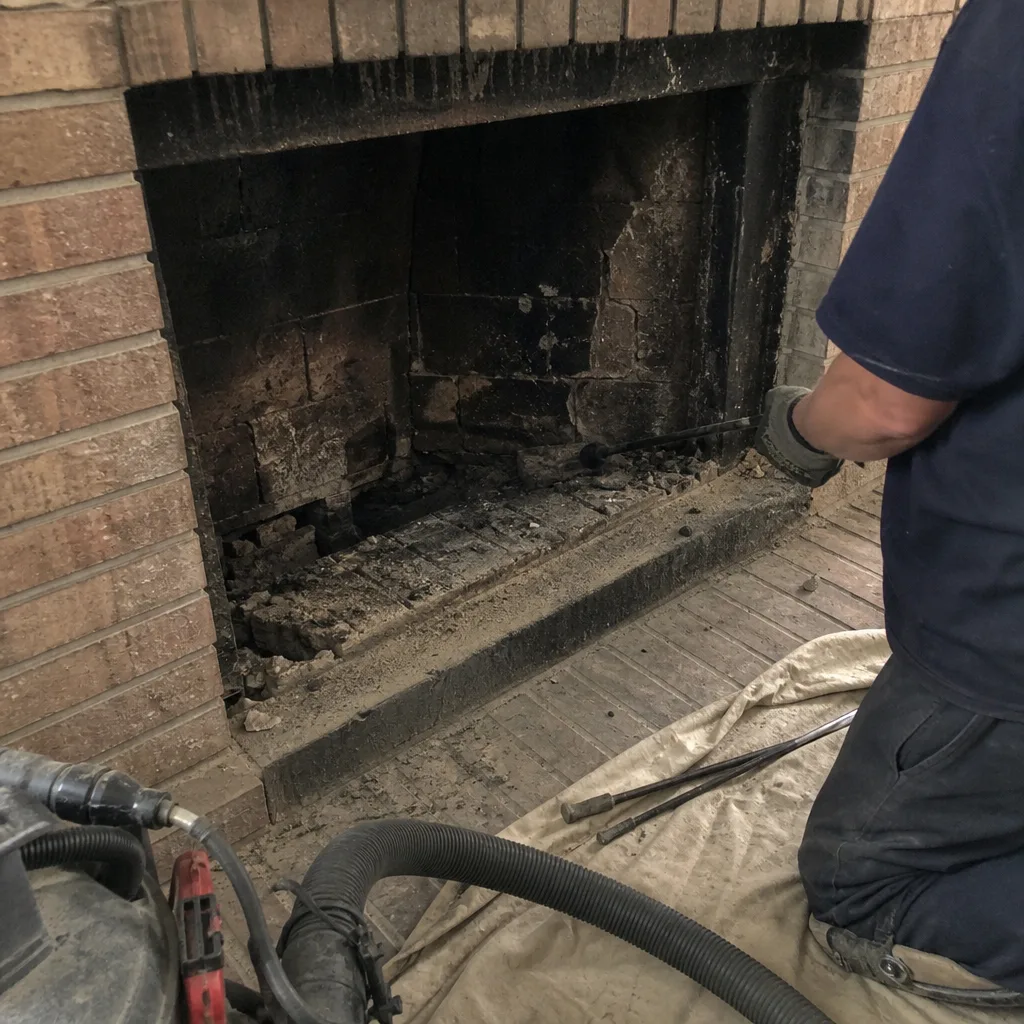 Before
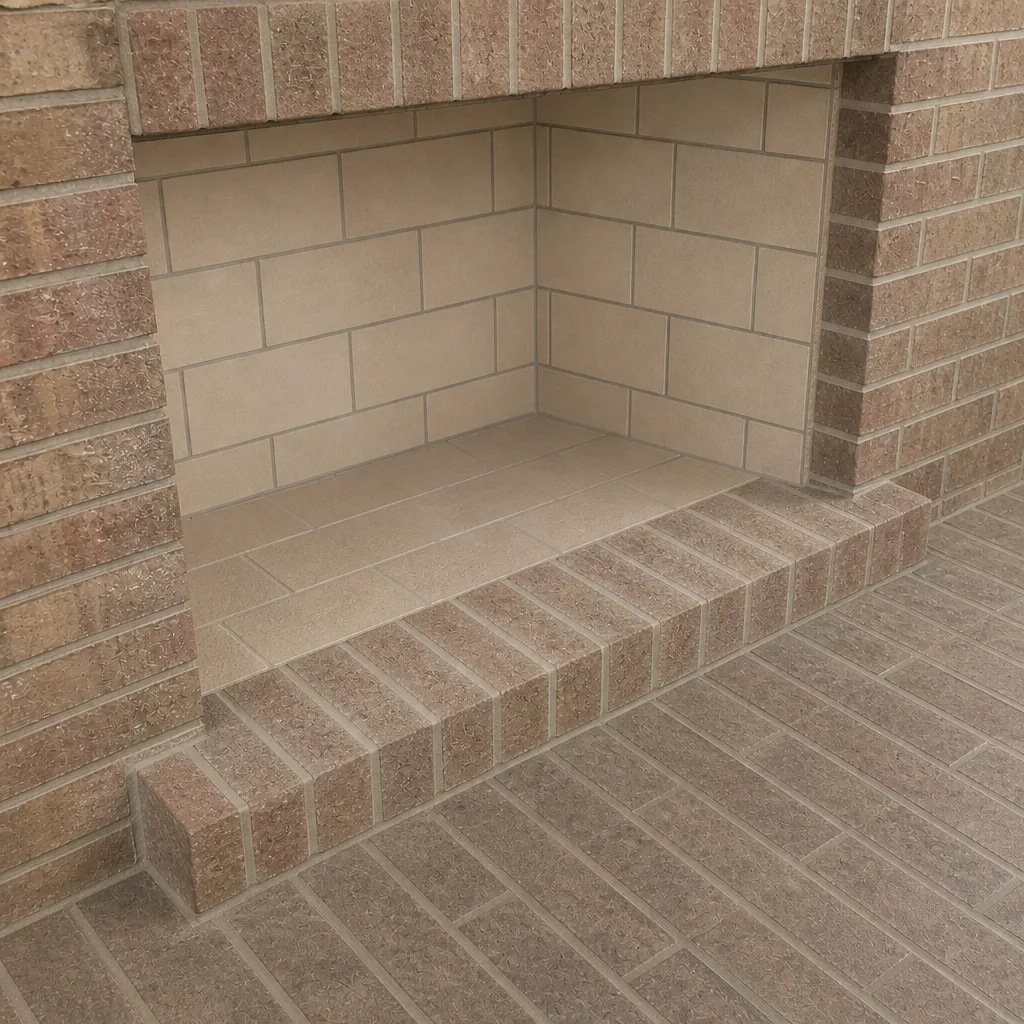 After
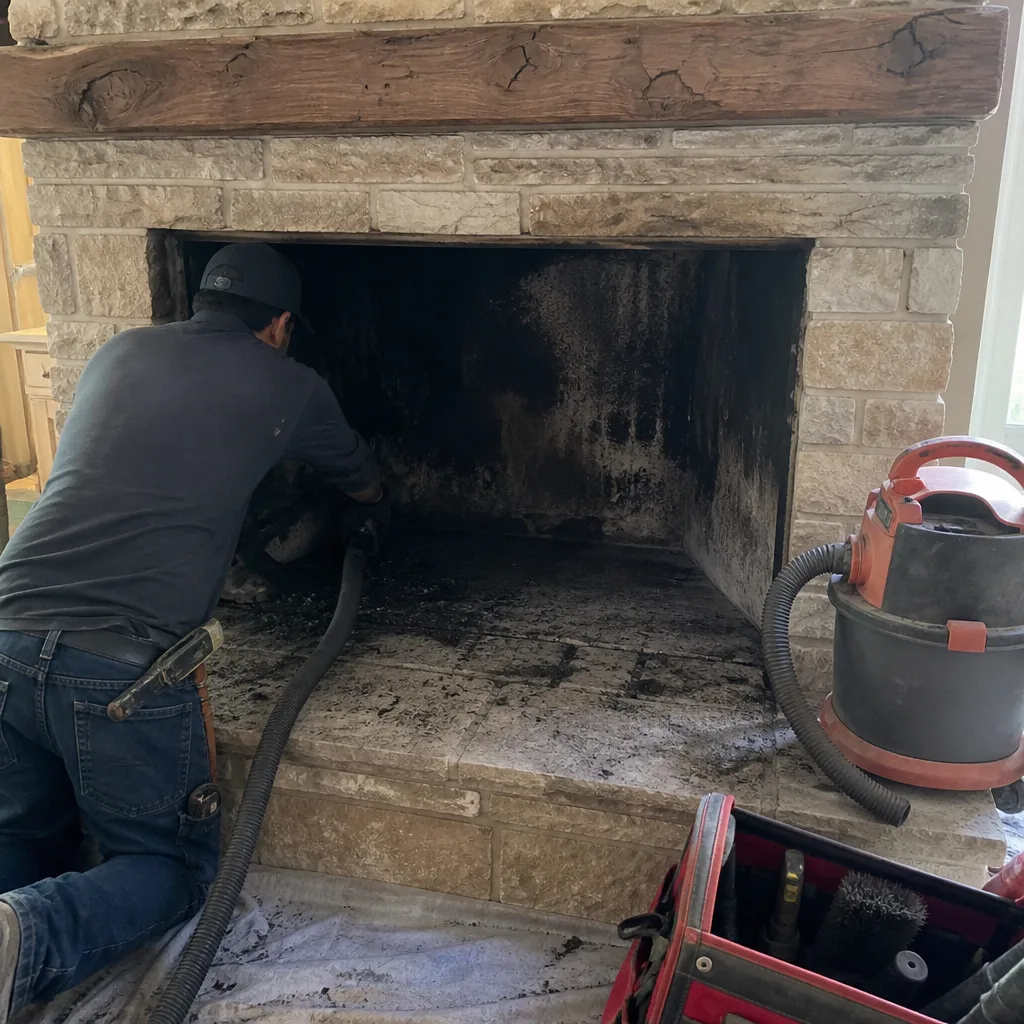 Before
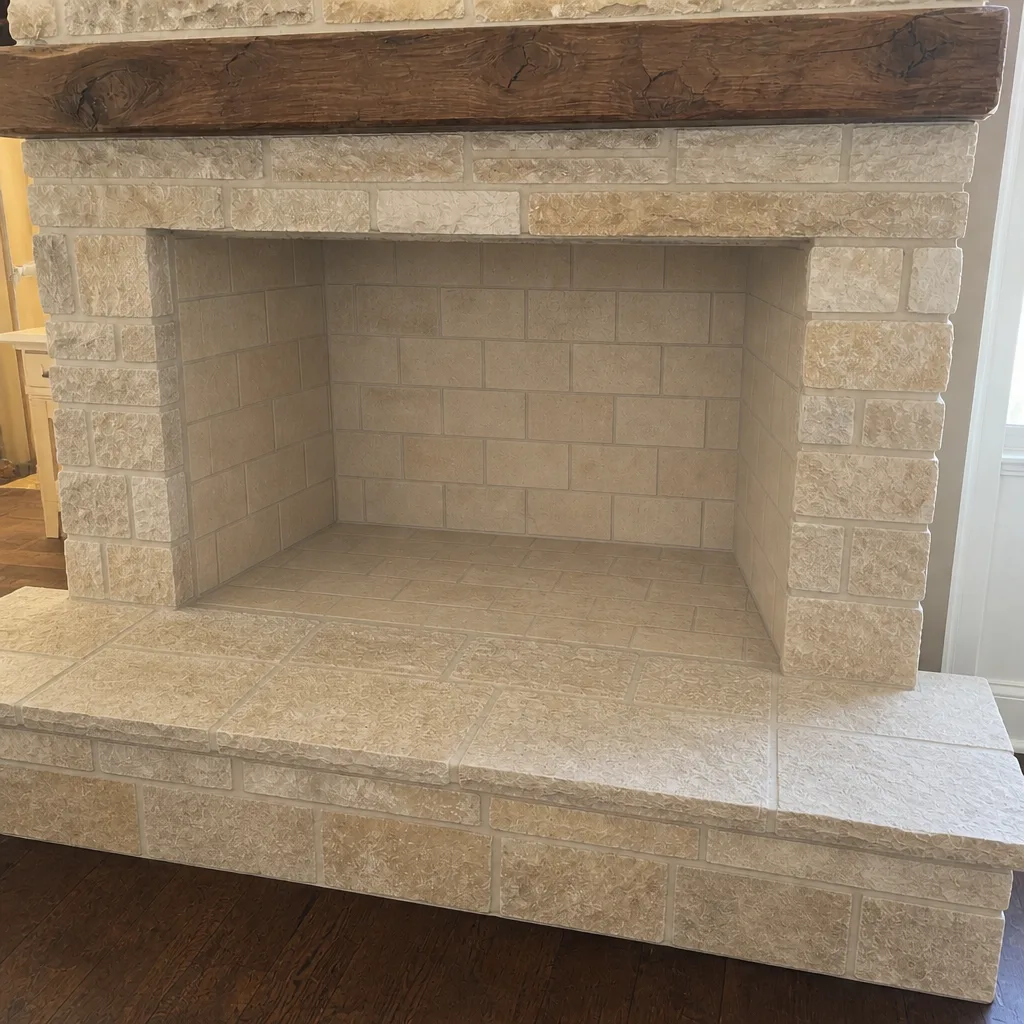 After
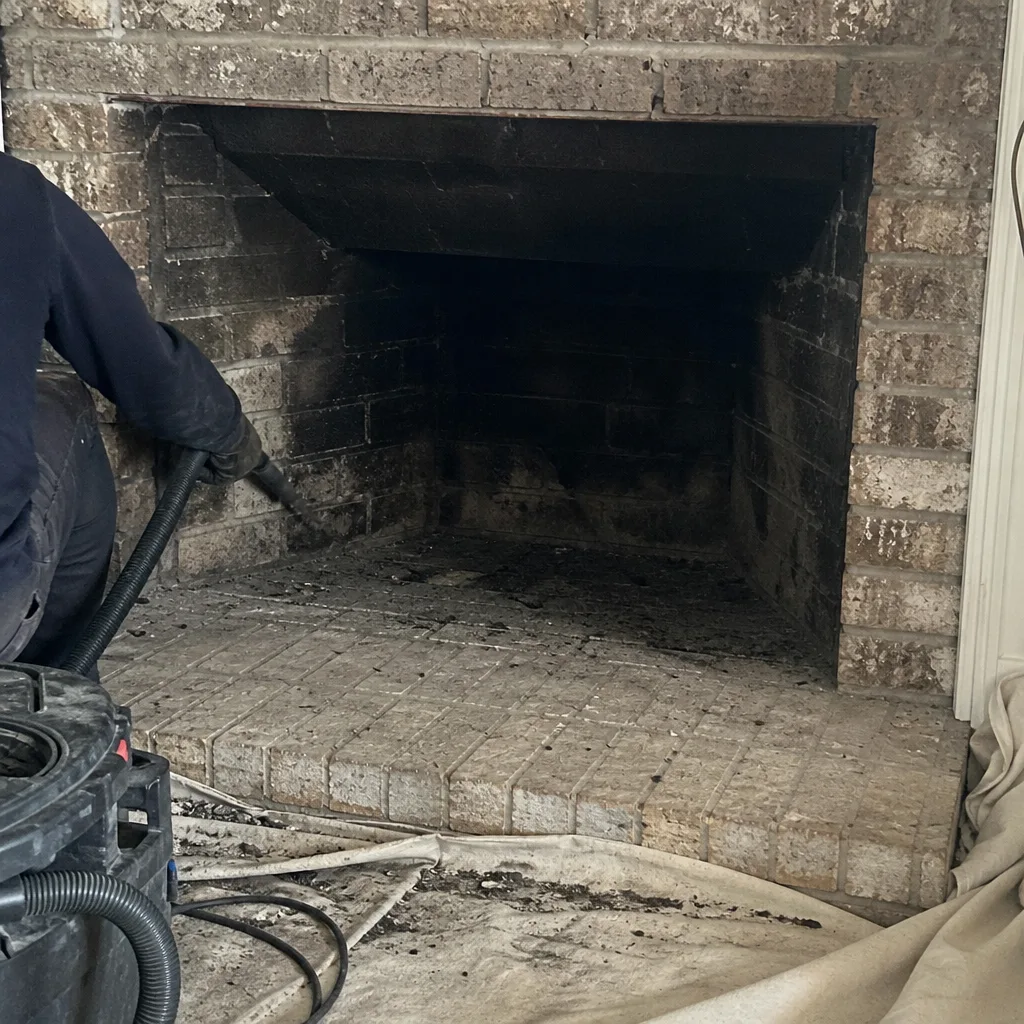 Before
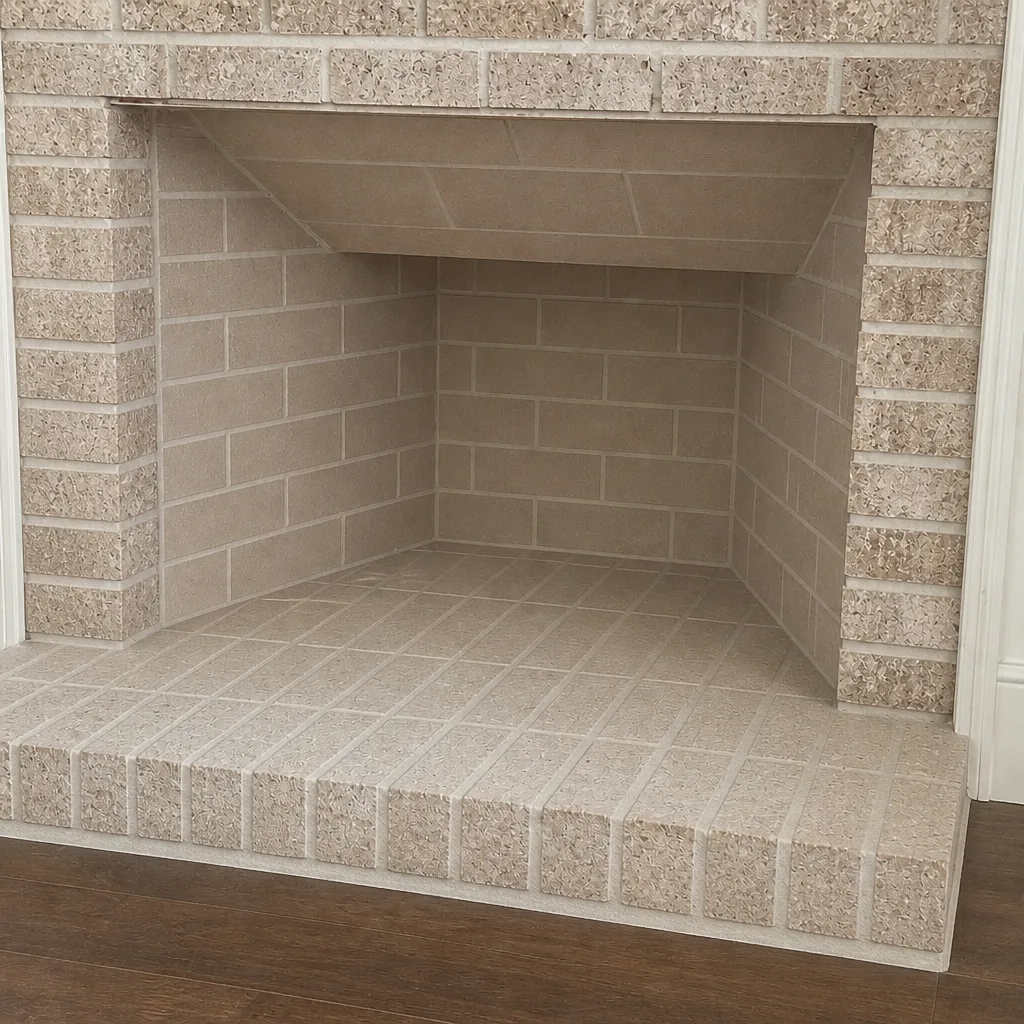 After
When to Call a Professional
Call a professional if you’re scheduling a Level 2 inspection for a real estate transaction, if you suspect a chimney fire has occurred, or if exterior alterations (roof replacement, cap or chase changes, chimney height modifications) have changed the condition of the system. Call if you’re seeing smoke into the room, a chimney that smells like creosote in warm weather, cracked flue tile on camera, or a firebox with broken firebrick. Call if you’re planning a liner replacement or smoke chamber resurfacing and need the permit pulled correctly. And call if prior work in the home has no permit record and you’re planning to sell. Ridgeway Chimney Sweep offers free estimates in Richardson. Call (888) 873-4715. We answer 24/7. Fast dispatch from 7am to 7pm, Sunday through Friday.
Frequently Asked Questions
No. Chimney cleaning is routine maintenance and does not require a permit in Richardson. Repair work that changes the venting system or structure of the chimney, including liner replacement, smoke chamber resurfacing, and masonry repair, generally does require a permit from the City of Richardson. Call (888) 873-4715 to schedule a sweep and inspection and get a clear scope.
Yes, in most cases. Replacing the flue liner is a structural alteration to the venting system and falls under the adopted International Residential Code, which means a permit is required from the City of Richardson and the work is inspected after completion. A liner installed without a permit creates a compliance gap that shows up during a home sale. Call (888) 873-4715 for a liner assessment.
A code inspection is performed by a City of Richardson inspector after permitted work is completed, and it verifies the work against the adopted IRC and its local amendments. An NFPA 211 inspection is performed by a chimney sweep and assesses the chimney’s condition and venting performance, without authority to pass or fail against the building code. Both matter: the NFPA 211 inspection identifies what needs repair, and the code inspection confirms the repair was done correctly. Call (888) 873-4715 for an inspection.
A Level 2 inspection is required under NFPA 211 whenever the chimney has changed condition or ownership, which most commonly means a real estate transaction, a chimney fire, or a major exterior alteration like a roof replacement or cap change. A Level 2 adds a camera exam of the flue interior and concealed areas to the Level 1 visual check. Call (888) 873-4715 to schedule a Level 2.
Unpermitted work doesn’t automatically derail a sale, but it creates a compliance gap that a buyer’s inspector will flag. The fix is to open a permit now, have the work evaluated against the current code, correct anything that falls short, and get the inspection finaled before closing. That’s usually less costly and less stressful than negotiating a credit at the last minute. Call (888) 873-4715 to schedule an evaluation.
Sometimes. A simple cap on a masonry flue that doesn’t alter the crown or mortar is usually exempt. A chase cover replacement on a manufactured chimney, or any cap install that modifies the crown or the termination height, is typically a permit-bearing scope. When the scope is unclear, confirm with the City of Richardson building department before the work starts. Call (888) 873-4715 for a cap and flashing assessment.
The Bottom Line
Chimney cleaning is exempt from permits in Richardson. Chimney repair, once it touches the liner, the smoke chamber, the masonry, the chase cover, or the appliance, is not. Texas adopts the IRC municipality by municipality, Richardson applies its own local amendments, and the version in force today is what your repair will be inspected against, even if your home was built decades earlier. A Level 2 NFPA 211 inspection is required at a real estate transaction, after a chimney fire, and after major exterior alterations, and it’s the tool that tells you whether the repair ahead needs a permit. Unpermitted work surfaces at closing, and correcting it early is the better outcome. We work with Ridgeway Chimney Sweep to cover the sweep, inspection, and repair scope under one company, with the professional-grade materials that pass an inspector’s eye. Call (888) 873-4715 for a free estimate. We answer 24/7. Fast dispatch from 7am to 7pm, Sunday through Friday.
Written by the team at Ridgeway Chimney Sweep.