
Last updated November 16, 2026
 Sweep & inspection
 Caps & crowns
 Flue relining
 Masonry repair
 Gas fireplace service
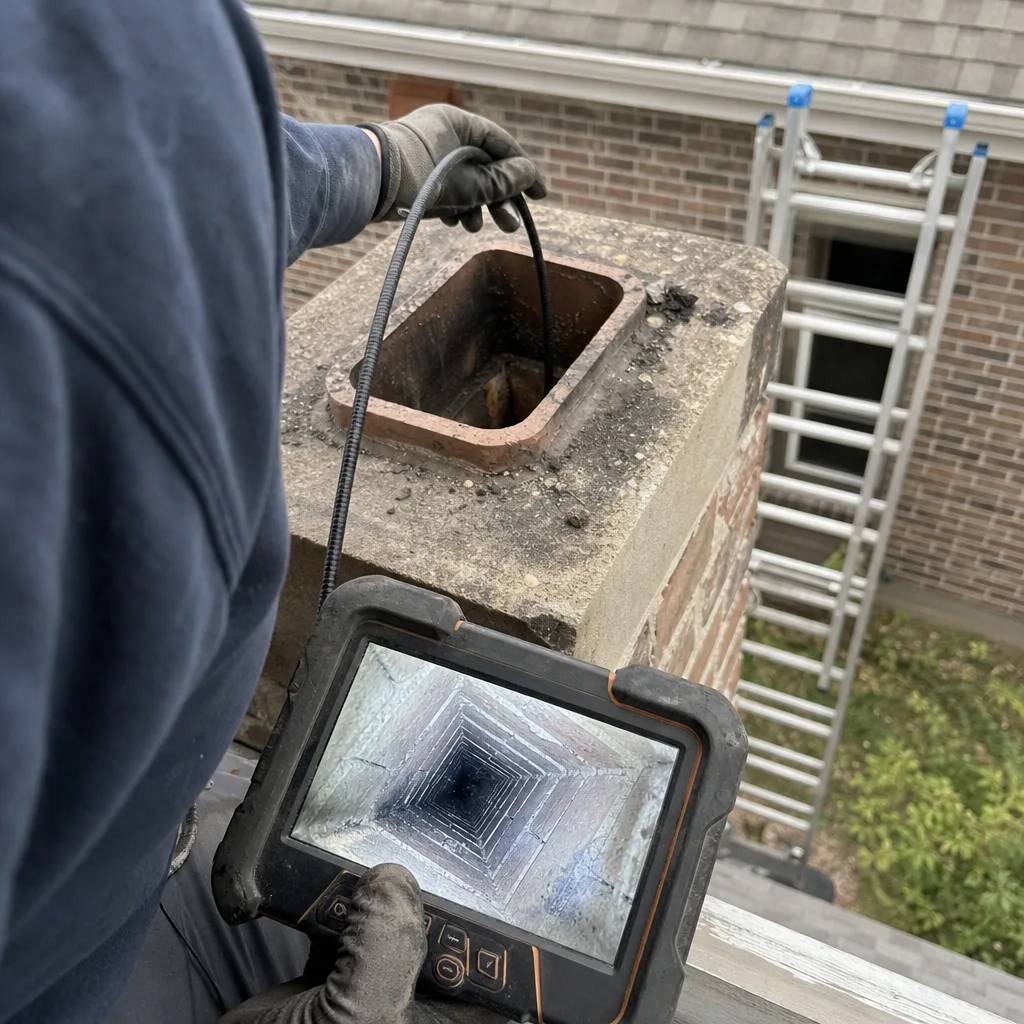
Level 1 sweep and inspection to the NFPA 211 annual standard - flue, crown, cap, and flashing checked and photographed
Chimney sweep logs do not sweep chimneys. They loosen some creosote - which then falls where a brush and vacuum still have to collect it.
Chimney Cleaning Warning Signs: A Richardson Homeowner’s Reference Guide
Here’s the counterintuitive part about chimney trouble: the warning signs almost always show up inside the living room, not up on the roof. Most homeowners here in Richardson are watching the roofline when the real signal is a smell in the hallway on a humid morning, a chalky stain on the brick, or a damper that stops closing tight. The problem isn’t that people are careless. It’s that nobody ever told them which of these signals is cosmetic and which means stop using the fireplace until it’s fixed. This guide ranks the warning signs we see around Richardson by severity, pairs each one with its likely cause and the right repair category, and helps you skip the guesswork.
Quick Answer
The most urgent chimney cleaning warning signs in Richardson are a strong creosote odor indoors, smoke rolling back into the room, white chalky staining spreading on the exterior chase, and rust or heavy flaking inside the firebox. These signal a liner problem, water intrusion, or a dangerous creosote load. A light smoky smell on a humid summer day is usually a draft reversal and needs inspection rather than a sweep alone.
Styles & brands we work with
- Sweep & inspection
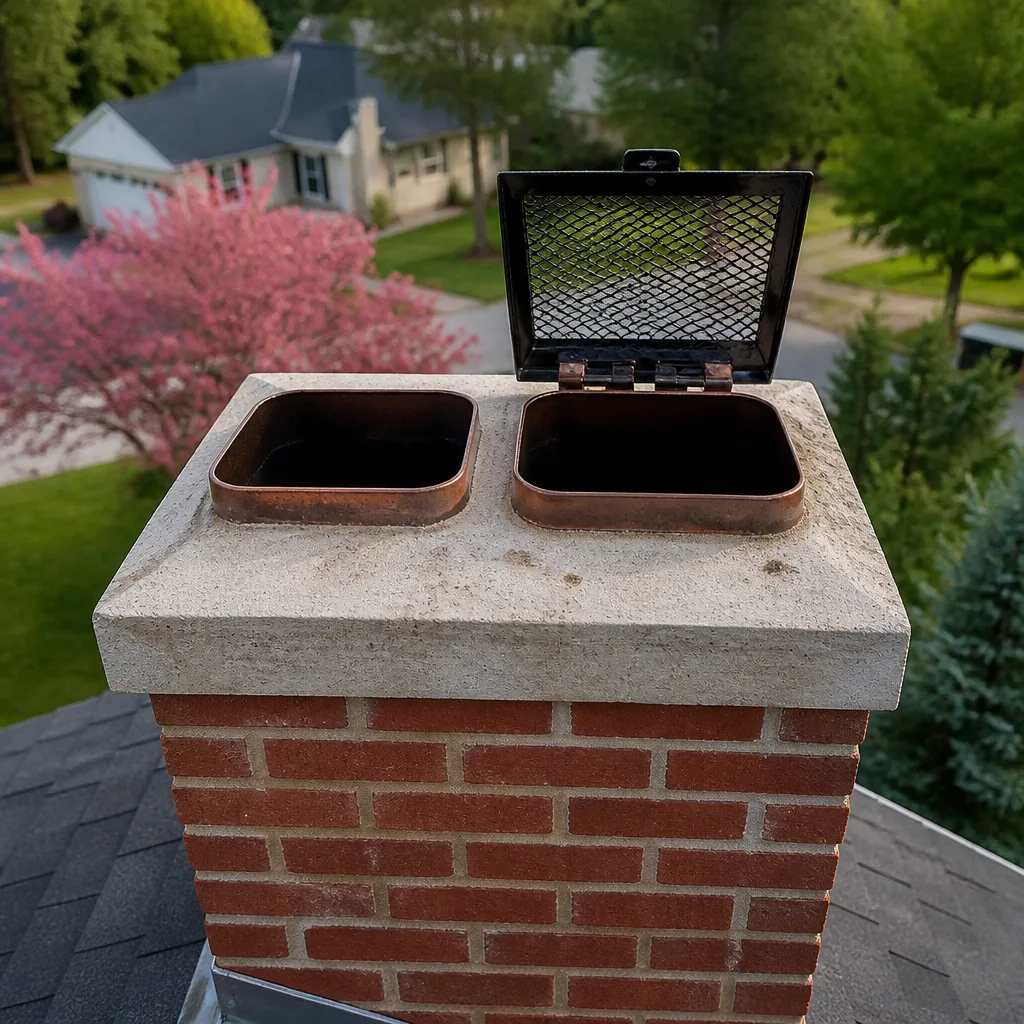
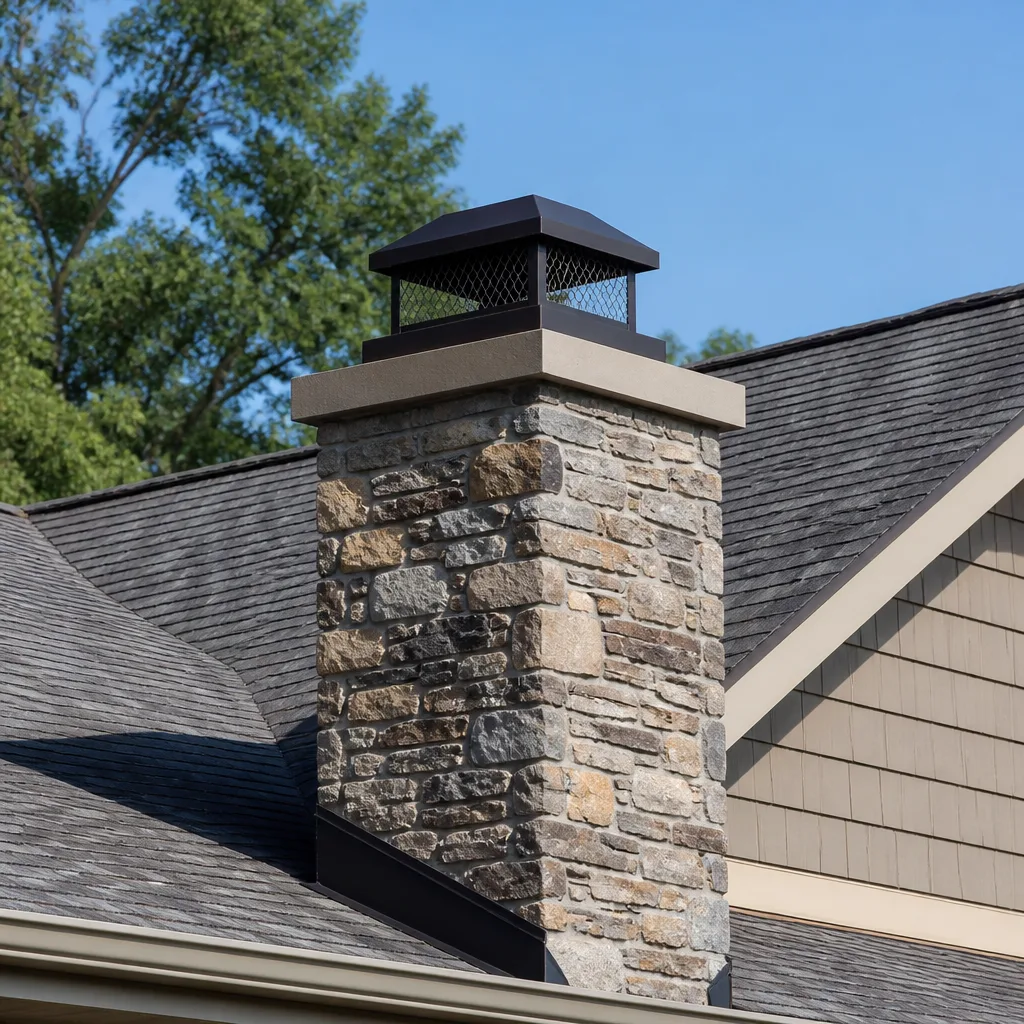
- Caps & crowns
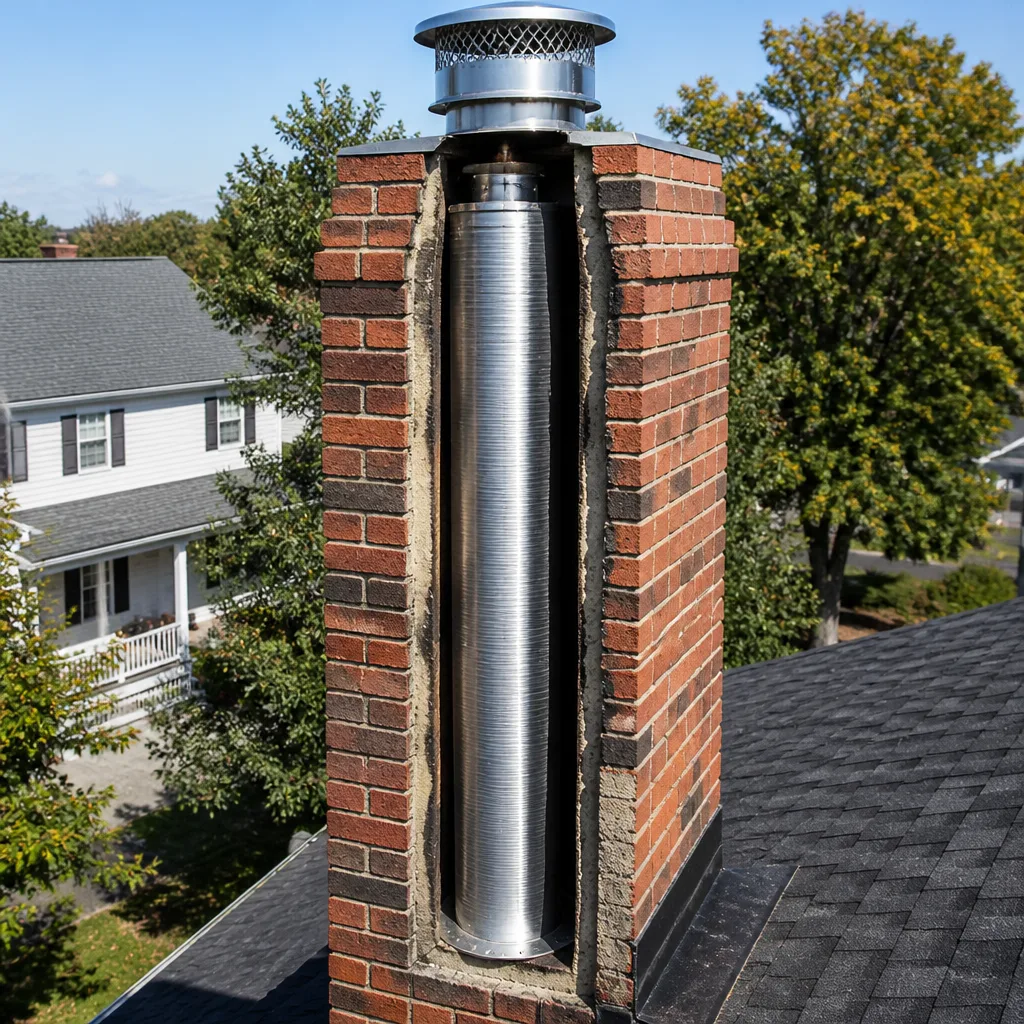
- Flue relining
- Masonry repair
- Gas fireplace service
Table of Contents
- Smell-based signals and how to read them
- What the inside of your firebox is telling you
- Exterior warning signs you can spot from the ground
- Performance signals ranked by urgency
- The one sign Richardson homeowners misread as minor
- Warning signs ranked by severity
- What happens during a proper inspection
- Matching each sign to the right repair category
Smell-Based Signals and How to Read Them
Smell is the earliest warning a chimney gives you, and it’s the one homeowners misread most often because three different problems all smell like “something’s off.” The trick is learning what each smell means before the fireplace is lit.
A smoky odor on a warm, humid morning that goes away in the afternoon is usually a draft reversal. During a Richardson summer, the cooler air inside the chimney is heavier than the warm air outside, so the column of air sits still or reverses and pushes stale fireplace smell back into the house. That smell alone isn’t dangerous, but if it’s new this year, or stronger than last season, it often traces to a missing or damaged cap or a liner that has cracked and lost its smooth interior. No amount of sweeping fixes that.
An active creosote odor is different. It’s sharper, oily, and it lingers even after the fire is out and the room is cool. That smell means creosote has built up on the flue walls and is off-gassing. Creosote is what fuels a chimney fire, and a heavy load, especially a glazed or flaky deposit, is a sweep-now signal, not a sweep-later one.
A musty, damp, earthy odor is moisture. That’s often mold in the firebox, on the damper, or behind a thin liner. It points back to water getting in, which is one of the most common problems we inspect for in this part of North Texas.
- Smoky, humid-morning smell that fades: draft reversal, likely cap or liner issue. Book an inspection.
- Oily, sharp creosote smell that lingers: creosote buildup. Book a sweep before you burn again.
- Musty, damp, earthy smell: water intrusion. Book an inspection and expect repairs to the cap, flashing, or crown.
What the Inside of Your Firebox Is Telling You
When you open the firebox and look up with a flashlight, you can read the chimney’s condition pretty well if you know what to check. These are the signals worth flagging during your monthly sweep of the firebox with a flashlight and a mirror:
- Spalling brick. Small flakes and pieces of the firebrick face breaking away. Spalling usually means moisture has reached the brick from behind or above and is pushing the surface apart as it dries. Left alone, it crumbles into the firebox and shortens the firebox’s life.
- White staining on the interior firebox brick. Fine, chalky white deposits on the refractory brick. This is efflorescence, and it means moisture is migrating through the masonry and leaving mineral salts behind. On the inside of the firebox it usually points to a failed damper, a failed crown, or a poorly sealed chimney top.
- Rust on the damper or damper handle. A damper that has rust spots, a flaky surface, or a handle that used to move smoothly and now feels stiff or binds is a moisture signal. It usually means water has been getting in through the chimney top and condensing on the damper.
- Damper that won’t fully seal. A damper that sits slightly open, or won’t close flush with a light tug, leaks warm house air up the flue in winter and lets cooled air and pests in during summer. A slightly warped damper is a minor repair; a completely broken one is a real energy and smoke control problem.
- Cracked or missing firebrick in the firebox joints. Hairline cracks in the mortar joints can be normal wear. Missing chunks, or wide gaps, are not. They expose the steel and masonry behind the firebox to direct flame.
One thing to watch: spalling brick and interior white staining are not the same problem. Spalling is the brick breaking down. White staining is moisture leaving minerals as it dries. Both point back to water, but the repair is different. That’s why an inspection matters more than a wild guess.
Exterior Warning Signs You Can Spot From the Ground
You don’t have to climb anything to spot half the serious warning signs. Stand at the edge of your lawn with a pair of binoculars, or just look up, and run down this list on the same day you wash the windows:
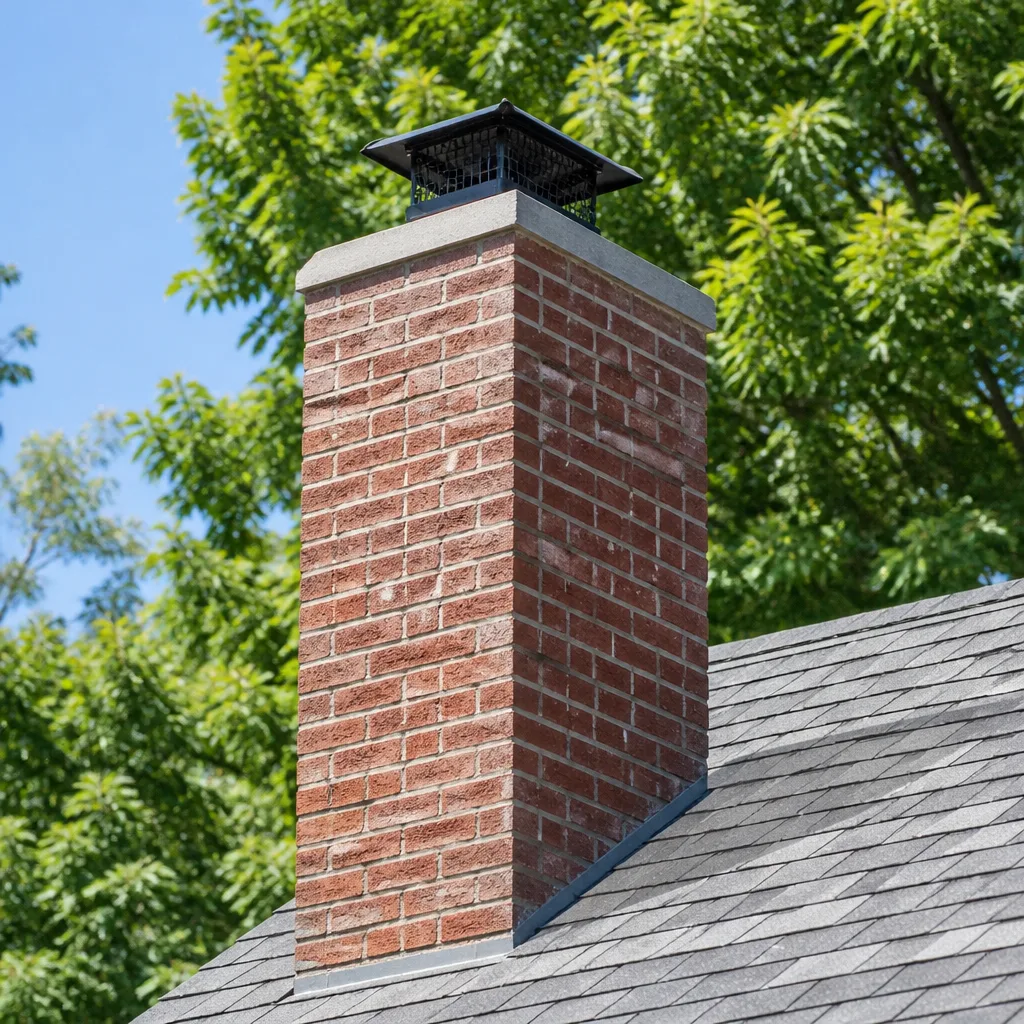
- Crown cracking. The masonry crown at the top of the chimney should shed water away from the flue. Horizontal cracks, missing chunks, or a crown that looks tilted are water intrusion waiting to happen. Rebuilding or resurfacing the crown is a common repair in Richardson homes where the original cap has weathered.
- Cap corrosion or missing cap. The chimney cap is the metal, masonry, or copper hood over the flue. If the screening is torn, the cap is loose, or the cap is missing entirely, water, birds, and debris have direct access to the flue. We source replacements from chimney repair-grade brands like Gelco and Copperfield because a cheap big-box cap is the reason we see so many repeat water problems.
- Mortar joint recession. Look at the brick on the exterior chase. If the mortar between the bricks is washed back behind the face of the brick, water is getting in behind it. Recession happens over years and is easy to spot from the ground once you know to look.
- Flashing gaps at the roofline. Flashing is the metal that seals the chimney to the roof. A lifted edge, a visibly pulled-back seam, or a gap between the flashing and the masonry is a direct water path into the house, not into the chimney. Famco flashing components are our go-to for code-compliant resealing.
- Chalky white staining on the exterior brick. This is the big one, and it gets its own section below.
Performance Signals Ranked by Urgency
How the chimney behaves when you burn is a signal in its own right. Here’s how we rank the performance problems we see most often in Richardson homes, from “wait and watch” down to “stop burning until it’s fixed”:
- Damper that won’t fully seal. Lowest urgency. The fireplace still works, but heat is leaking and pests have a way in. Fix it before winter.
- Slow draft startup. Takes several minutes of a lit fire before smoke starts rising smoothly. Often a cold-flue issue or a partly blocked cap screen. Worth an inspection, not urgent.
- Visible smoke rollout at the firebox opening. Urgent. Smoke is coming into the room instead of up the flue. Common causes: a restricted flue, an undersized or damaged liner, a missing cap, or a firebox opening that’s too large for the flue. Stop burning and get it inspected.
- Strong creosote smell mixed with smoke rollout. Most urgent. This combination suggests both a draft failure and a heavy creosote load. Do not burn again until it’s been swept and inspected.
If any of these are matched with a smoky smell inside the house on a non-burning day, treat it as a system problem, not a weather problem. That’s the case where a chimney sweep and an inspection together tell you the real story.
The One Sign Richardson Homeowners Consistently Misread as Minor
If you remember one thing from this guide, remember this: the chalky white staining on the exterior brick of the chimney chase is not cosmetic. It’s efflorescence, and it means water is actively moving through the masonry right now, in the current season, and leaving mineral salts behind as it dries on the surface.
We see this pattern across Richardson zip codes, in neighborhoods where the brick chases run from the 1980s through the 2000s, and the original crown and flashing have quietly aged past their useful life. Homeowners often assume a white haze on brick is just weathering, or that it will clear after a good rain. It doesn’t clear. It gets worse as the water keeps coming through.
What’s actually happening: water enters through the crown, the flashing, or an unsealed chimney top, soaks into the brick and mortar, and then works its way down the interior of the chase. Sometimes that water shows up as a damp stain on the inside of the chimney chase in a second-floor room. Sometimes it shows up as rust on the damper or as musty odor at the firebox. Sometimes it eats the mortar from the inside and you see the chase loosen at the roofline.
The right repair is not a coat of penetrating sealer over the stain. Sealer over active water intrusion traps moisture inside the masonry and makes the problem worse. What actually stops it: repairing the crown, resealing the flashing with proper components, capping the chimney correctly, and if the liner behind the brick has been damaged by the moisture, resurfacing it with a repair-grade system such as HeatShield or relining with a DuraFlex flexible liner. That’s the sequence.
If you see this staining on your chimney in Richardson, treat it as a call-now sign, not a call-later one.
Warning Signs Ranked by Severity
Here’s the whole reference in the order we rank urgency when we inspect a chimney around Richardson. This is the sheet we mentally run through on every job.
- Tier 1 (call today, stop burning): Visible smoke rollout into the room, a strong creosote smell that lingers, or a damper that will not stay closed with a heavy creosote load present.
- Tier 2 (call this week): White chalky staining on the exterior chase, interior white staining in the firebox, rust on the damper, musty smell at the firebox, spalling brick in the firebox.
- Tier 3 (call within the season): Crown cracking visible from the ground, torn or missing cap, mortar joint recession, flashing gap at the roofline, slow draft startup.
- Tier 4 (routine inspection): Smoky odor on humid mornings that fades, a damper that binds but still closes, a draft that used to feel stronger.
A sweep on its own addresses creosote. It doesn’t fix a draft reversal, water intrusion, or a damaged liner. That’s why we run Ridgeway Chimney Sweep as a sweep, inspect, and repair company rather than a sweep-only shop. Matching each warning sign to the right category means a homeowner doesn’t pay for a sweep that won’t solve the smell, or a repair that wasn’t actually needed.
What Happens During a Proper Inspection
An inspection is not someone glancing up the flue from the firebox with a flashlight. A proper inspection is a documented walk-through of the whole system, from the firebox to the crown, with the findings written down so you can see them.
- Interview and setup. We start by asking how you burn, what you’ve noticed, and when you last had the chimney swept. Then we set drop cloths around the firebox.
- Firebox and damper check. We check the firebrick, the mortar joints, the damper, and the smoke shelf for the signals covered above.
- Flue inspection. We inspect the full length of the flue for creosote level, liner condition, and any gaps or blockages.
- Exterior inspection. We check the crown, cap, flashing, and exterior brick from the roofline, not just from the ground.
- Written report and recommendation. You get a plain-language summary of what we found and what it means, ranked by the same severity tiers in this guide.
If a sweep is warranted, we do the sweep during the same visit and include a camera inspection and a photo report so you can see exactly what we saw. Nothing is recommended without evidence you can see for yourself. That’s the answer to the biggest hesitation homeowners have about chimney work: how do you know the technician isn’t inventing problems? You look at the photos.
Matching Each Sign to the Right Repair Category
Every warning sign in this guide leads to one of a small number of repair categories. Knowing the category helps you understand what you’re being quoted for.
- Sweep. Removes creosote and soot. Appropriate for the smell-and-buildup signals when the liner and structure are sound.
- Crown and cap repair. Fixes the water entry paths at the top of the chimney. New crown, new cap, torn cap screen repaired. We source caps and components from Gelco, Famco, and Copperfield because cap and flashing parts need to be rated for chimney service, not roof-and-gutter substitutes.
- Flashing repair. Reseals the joint between the chimney and the roof. Famco flashing components are what we reach for when the original flashing has failed.
- Liner repair or relining. Restores the flue interior. If the original liner is cracked, spalled, or was never installed to spec, HeatShield ceramic resurfacing can often repair it in place. When the liner is too far gone for resurfacing, we install a DuraFlex flexible liner system, which is the standard relining choice for aged or damaged flues without full chimney reconstruction.
- Damper repair or replacement. Restores the seal. Sometimes a small adjustment, sometimes a full top-sealing damper replacement.
- Firebox repointing. Rebuilds the mortar joints and restores the firebox face.
We work with Richardson homeowners this way because a repair that isn’t matched to the cause wastes money and leaves the underlying problem in place. Using the right materials from the industry-trusted brands is how a repair lasts, not by hoping the problem goes away.
Common Mistakes to Avoid
- Treating a smoky summer smell as a “hot weather thing.” It usually means a draft reversal, a damaged liner, or a missing cap. Book an inspection before the burning season starts.
- Painting or sealing over chalky white stains on the exterior chase. That traps the water inside the brick and makes the moisture problem worse. Find and fix the actual water entry point first.
- Burning with a heavy creosote load because “the fire still draws.” A chimney can draw perfectly well and still be loaded with creosote ready to ignite. The smell is the warning, not the draw.
- Using big-box caps and flashing on a chimney. Chimneys need purpose-built components rated for the job. Generic roof flashing on a chimney leaks within a season or two, which is why we source from Gelco, Famco, and Copperfield.
- Sweeping without inspecting. A sweep clears creosote, but it doesn’t diagnose a draft reversal, water intrusion, or a failing liner. Always pair the two.
- Waiting for a chimney fire to act. Every warning sign in this guide is a chance to fix the problem before it becomes a fire or a carbon monoxide risk.
- Letting a handyman attempt liner repair. Liner work requires products like HeatShield and DuraFlex that a general contractor can’t source or install correctly. Substandard liner repairs cost more to undo than to have done right the first time.
See the difference
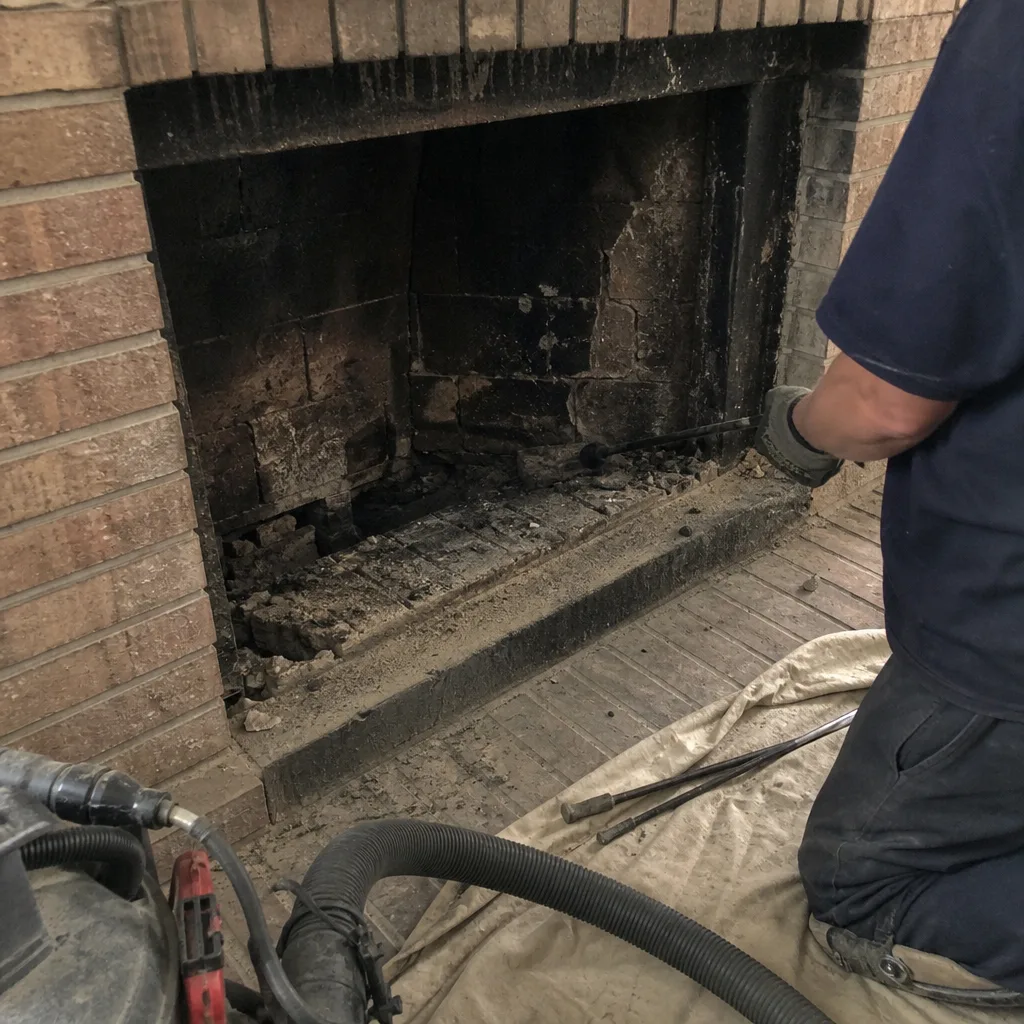 Before
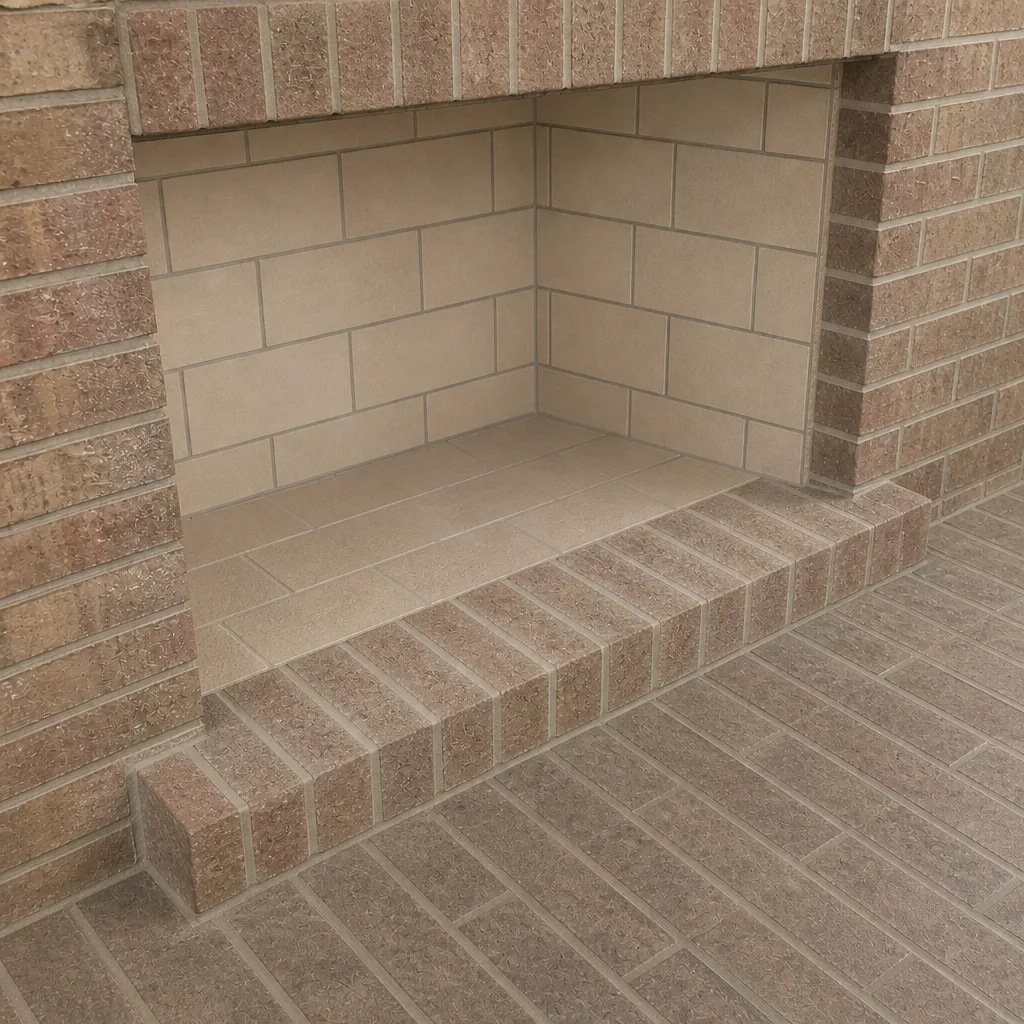 After
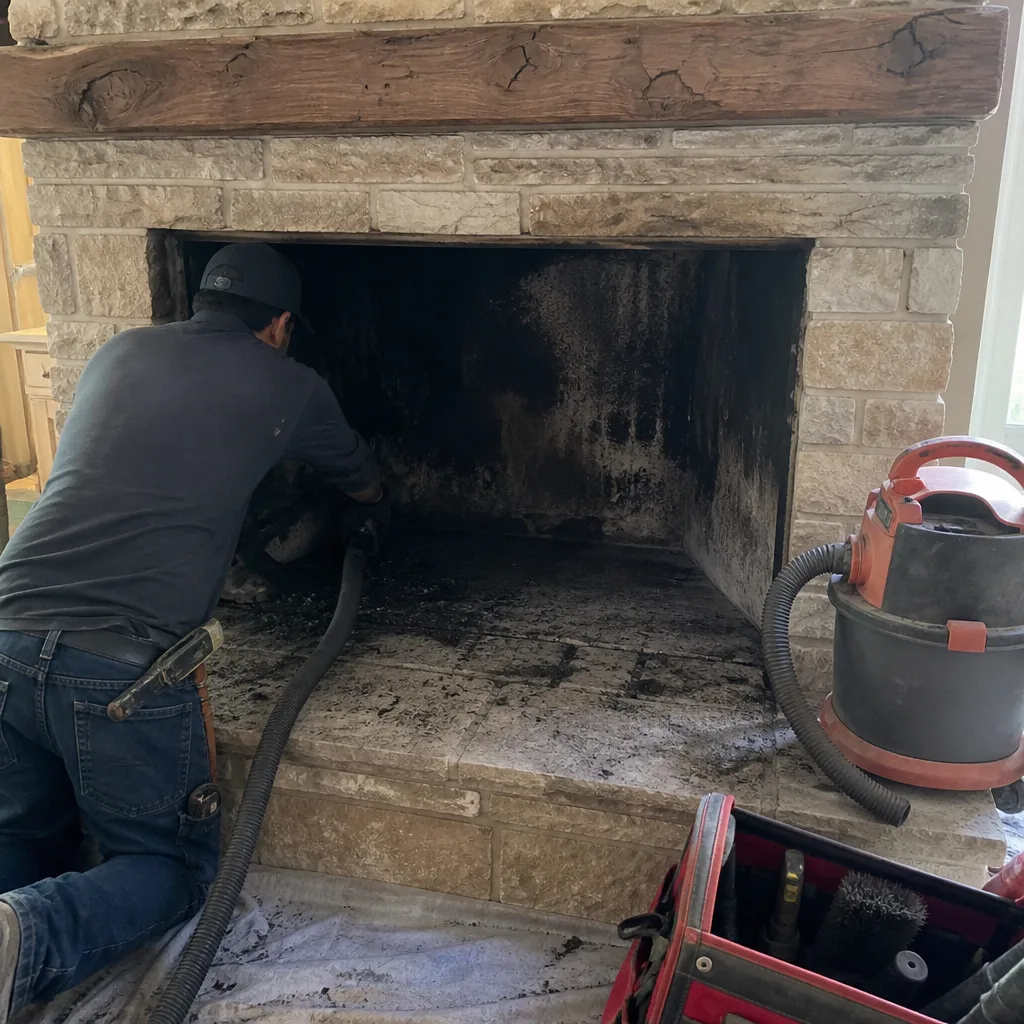 Before
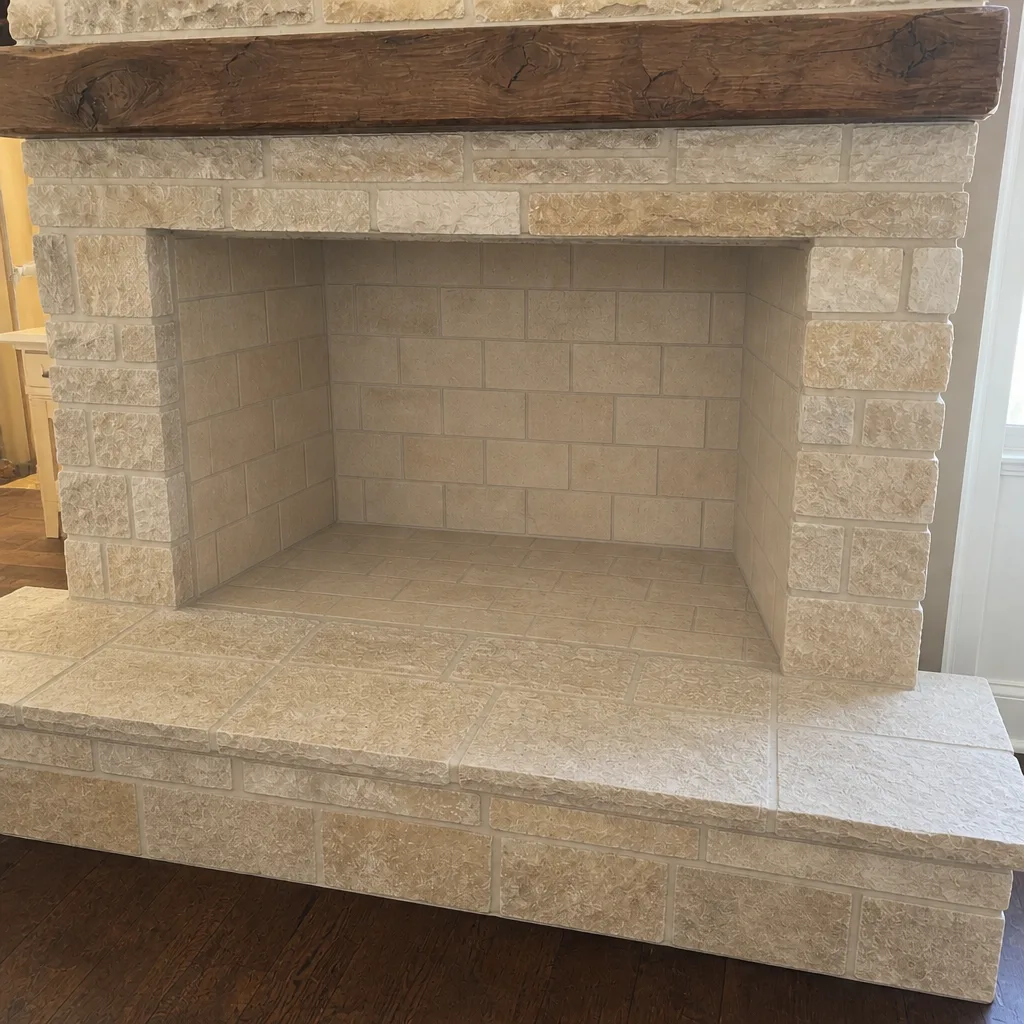 After
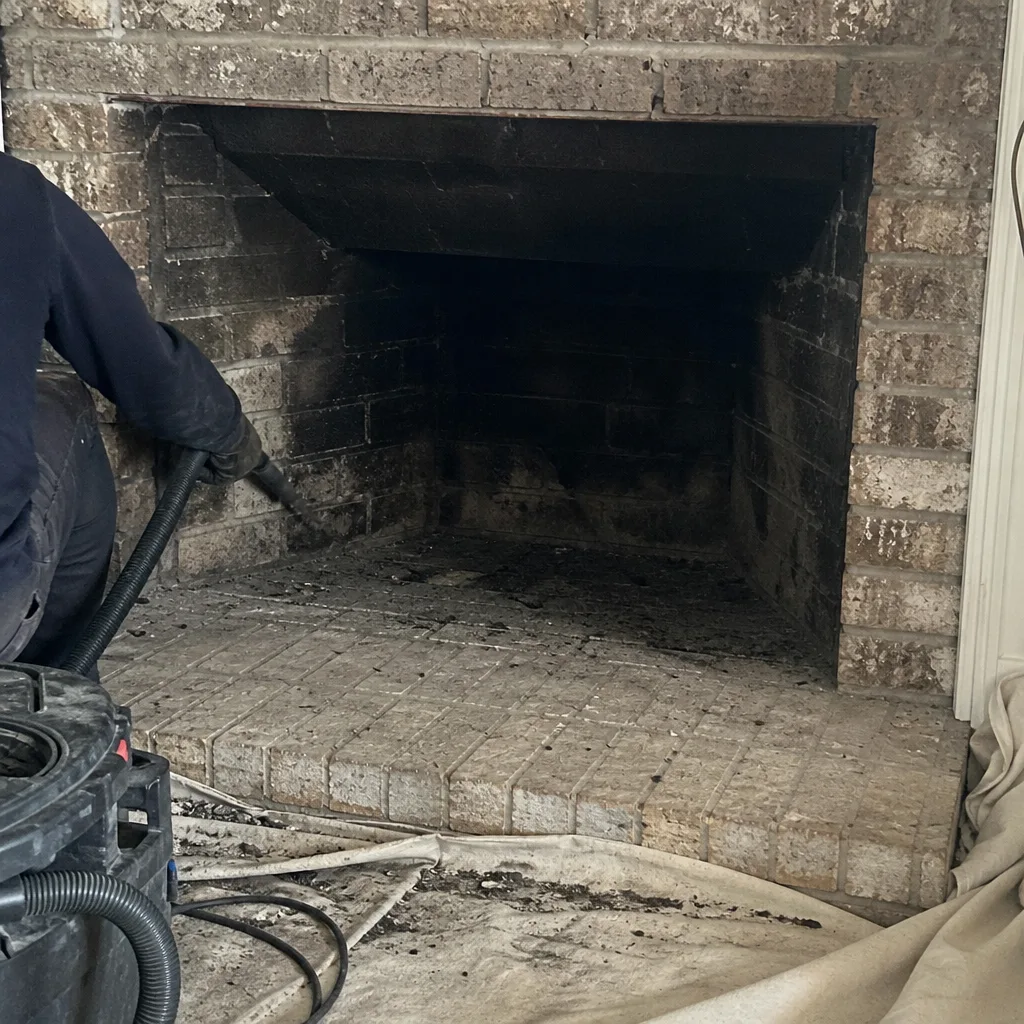 Before
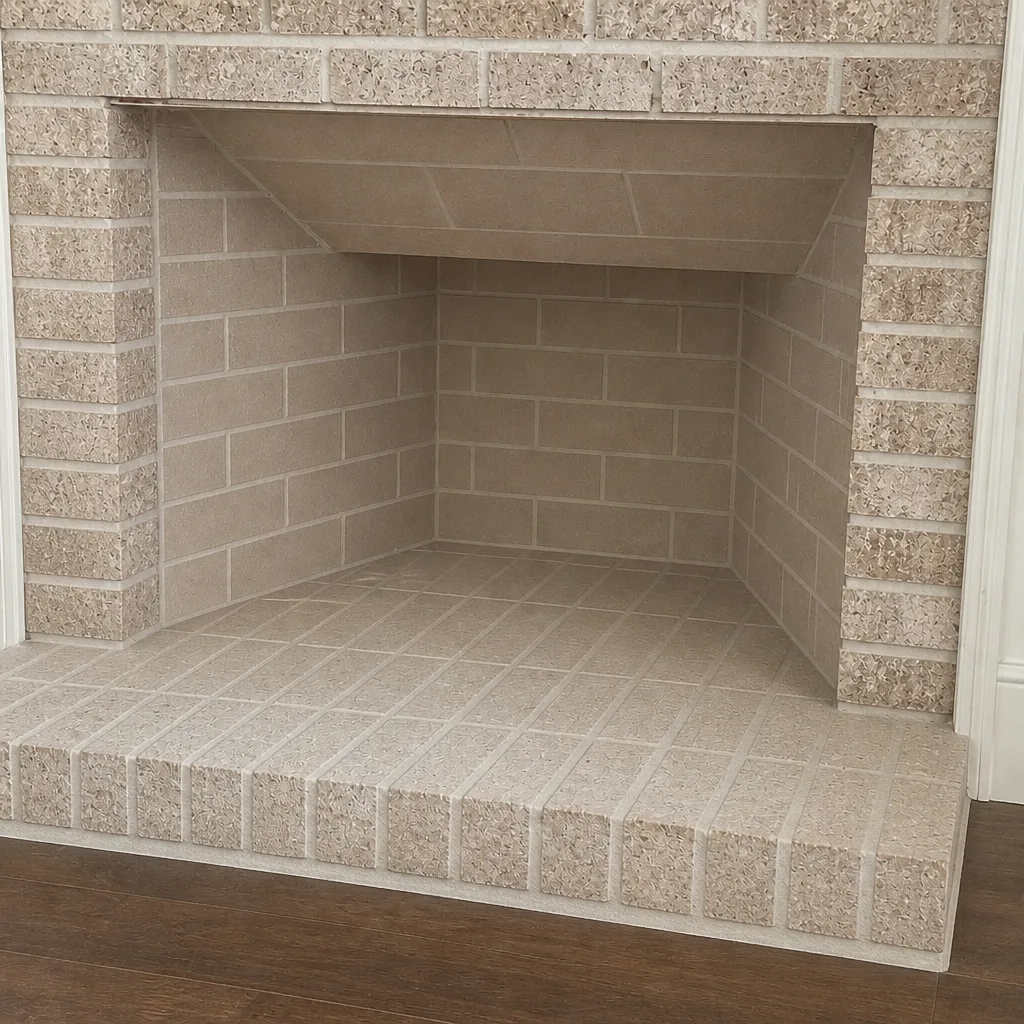 After
When to Call a Professional
Call a professional if you notice any Tier 1 or Tier 2 sign from the severity list above. That includes smoke rolling into the room, a strong creosote smell inside, chalky white staining on the exterior chase, rust or white staining in the firebox, or spalling brick. Also call if your damper no longer closes fully, if your draft feels noticeably weaker than last season, or if you haven’t had a documented inspection in the last year of use. High-tension springs, structural masonry repairs, and gas line work are the kinds of repairs a homeowner should never attempt. A trained technician has the tools to inspect safely and the materials to repair correctly.
Ridgeway Chimney Sweep offers free estimates in Richardson. We tell you what your chimney actually needs, we show you the camera photos, and we plainly say when a repair can wait. Call (888) 873-4715. We answer 24/7. Fast dispatch from 7am to 7pm, Sunday through Friday.
Frequently Asked Questions
The most common warning signs we find on Richardson chimneys are a smoky smell inside on humid summer mornings (draft reversal), chalky white staining on the exterior chase (active water intrusion), rust or flaking on the damper (moisture in the flue), and a crown that has cracked and stopped shedding water. A strong creosote odor and visible smoke rollout are more urgent and should trigger a sweep and inspection before the next fire is lit. Call (888) 873-4715 for a free estimate.
The general guideline is once per year of active use, or more often if you burn heavily or notice any of the warning signs in this guide. Richardson has a long burning season relative to the rest of the state, so a chimney that gets used regularly deserves an annual sweep and inspection. If you’ve never had a documented inspection on a house you bought recently, book one now and start your own record. Call (888) 873-4715 for an exact quote – estimates are free.
A sweep alone is only enough when the warning sign traces to creosote. If the sign traces to water intrusion (white staining, rust, musty smell), a draft reversal (smoky smell on humid days), or structural damage (spalling brick, crown cracking, liner failures), a sweep will not fix it. The right answer is the one that matches the actual cause. We can’t tell you which without looking, and nothing is recommended without photos you can see. Call (888) 873-4715 for a free estimate.
Skipping it means the creosote keeps building, the moisture keeps working through the masonry, and small warning signs get more expensive to fix. Left long enough, a heavy creosote load can ignite in a chimney fire, and a failed liner can allow carbon monoxide into the house. We’re not in the business of scare-selling, but the serious outcomes are real. That’s why the earlier signals in this guide matter. Call (888) 873-4715 for a free estimate.
That’s the classic draft reversal pattern. On a humid summer day, the air inside the flue is cooler and heavier than the warm air outside, so it sits still or reverses and pushes stale fireplace smell into the room. If the smell is new this year, or stronger than last season, the underlying cause is usually a damaged or missing cap or a liner that has lost its smooth interior. A sweep won’t fix it. An inspection will tell you what will. Call (888) 873-4715 for a free estimate.
Yes. That staining is efflorescence, and it means water is actively moving through the masonry and leaving mineral salts behind as it dries. It is not cosmetic, and it does not clear on its own. If you see it on your chimney chase in Richardson, treat it as a call-now sign and have the crown, cap, and flashing checked before the next rainy season. Call (888) 873-4715 for a free estimate.
Often yes. When the liner is cracked, spalled, or was installed to a lower standard than it should have been, HeatShield ceramic resurfacing can restore it in place. Where the damage is too extensive for resurfacing, we install a DuraFlex flexible liner system, which is the standard relining choice for aged or damaged flues without tearing down the chimney. A camera inspection tells you which path applies. Call (888) 873-4715 for a free estimate.
Use the severity tiers above. Anything in Tier 1 or Tier 2 should be addressed before the next fire is lit. Tier 3 repairs are usually fine to schedule within the season. Tier 4 is a routine inspection item. When we’re on the job, we tell you plainly which tier a finding falls into, including when a repair can safely wait. Call (888) 873-4715 for a free estimate.
The Bottom Line
Chimney warning signs are ranked, and a homeowner who knows the ranking saves money and sleeps better. The critical signals are creosote odor that lingers, smoke rolling into the room, chalky white staining on the exterior chase, rust or white staining in the firebox, and a damper that no longer seals. These aren’t cosmetic. The white chalky staining on the exterior brick is the one Richardson homeowners most often misread as minor, and it’s a genuine water-intrusion signal. Sweep when the cause is creosote, inspect when the cause is unclear, and repair when the cause is water or structure. The right materials matter too, which is why we stick to industry-trusted brands like Gelco, Copperfield, HeatShield, and DuraFlex. If any of the warning signs in this guide apply to your home, don’t wait for the next fire. Call Ridgeway Chimney Sweep at (888) 873-4715 for a free estimate. We answer 24/7, with fast dispatch from 7am to 7pm, Sunday through Friday. Our technicians have up to 15 years of experience, and we tell you what your chimney actually needs.
Written by the team at Ridgeway Chimney Sweep.